
Matthew Tuttle on Balancing AI Stocks with Energy, Beneficiaries in Crude Oil Rally
Source: youtube.com
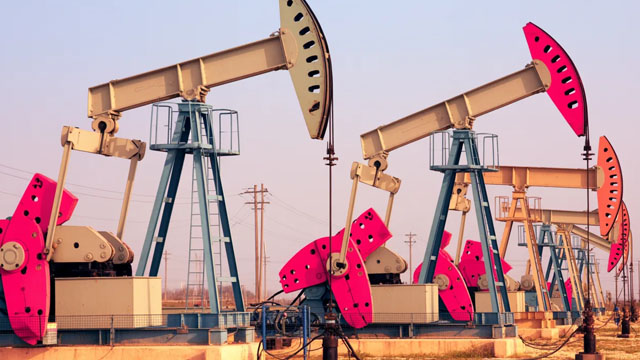
Matthew Tuttle recommends balancing AI-stock exposure with energy holdings, arguing that the sectors complement each other amid geopolitical uncertainty. He highlights potential changes in the energy market from additional Venezuelan supply and discusses companies that could benefit from continued volatility, but provides no specific price, production, or earnings estimates.
Analysis
This is not a standalone trading catalyst; the actionable implication is portfolio construction rather than a directional sector call. AI infrastructure and energy can diversify each other because the former is most exposed to duration, capex-cycle, and semiconductor multiple risk, while the latter is driven by physical supply disruption and commodity-price inflation. The correlation benefit weakens if higher power demand becomes the dominant AI narrative: utilities, gas turbines, grid equipment, and gas producers could then outperform both broad AI software and oil majors.
The underappreciated competitive effect is that incremental heavy crude availability pressures the U.S. Gulf Coast refining advantage more than it pressures U.S. shale broadly. Valero (VLO), Marathon Petroleum (MPC), and Phillips 66 (PSX) benefit only if discounted heavy barrels widen refinery feedstock economics; if supply additions instead merely cap crude prices, upstream beta names such as FANG, DVN, and OXY derate faster than integrated producers. Separately, sustained data-center electricity demand is more directly monetized by GE Vernova (GEV), Vertiv (VRT), Quanta Services (PWR), and gas-linked power providers than by the highest-multiple AI application names.
Over the next 1-3 months, the key risk is that geopolitically driven oil volatility reverses before earnings estimates adjust, making broad energy exposure a poor hedge. Over 6-18 months, the more durable question is whether hyperscaler capex converts into contracted power and grid spending rather than simply higher chip purchases; a slowdown in capex guidance would compress AI-adjacent industrial multiples even if energy demand remains firm. Falsification for the power-demand thesis would be material reductions in MSFT, AMZN, GOOGL, or META data-center capex guidance, falling U.S. power forward curves, or a sustained decline in gas-turbine/grid order backlogs.
AllMind Terminal
AI-powered research, real-time alerts, and portfolio analytics for institutional investors.
Request TrialMarket Sentiment
Overall Sentiment
mixed
Sentiment Score
0.05
Key Decisions for Investors
- No new broad energy position solely on this commentary; maintain an alert for a divergence between crude prices and E&P earnings revisions. Consider energy beta only after WTI holds above its 50-day average and 2027 consensus EBITDA for FANG/DVN stops declining.
- For a 6-18 month AI-power theme, prefer a basket long GEV/VRT/PWR over broad AI software exposure; enter in tranches around earnings rather than chase momentum. Thesis requires backlog growth and intact 2026 capex plans; exit or reduce on two consecutive quarters of order deceleration.
- Use a relative-value hedge: long XLE versus short an equal-beta basket of high-multiple AI software (IGV) only if oil supply risk lifts energy while long-end yields rise. Target 8-12% relative return over 3 months; stop if WTI falls more than 10% from entry or real yields decline sharply.
- Watch VLO/MPC/PSX versus XOP for evidence that heavier crude availability is improving refining margins rather than simply lowering oil prices. Do not initiate until Gulf Coast crack spreads and refinery utilization confirm the feedstock advantage.
More News
- What investors need to know about Alphabet's stock-busting earnings report
- Our next steps for Alphabet stock after earnings disappoint at nearly every turn
- Budget 2026 speech
- Fortinet’s stock is taking a dive after earnings. Here’s why.
- The UK cuts energy bills, taxes banks and boosts defense in high-stakes budget
- Microsoft's Big Bets on AI Start to Pay Off