
SpaceX: Q3 Doesn't Change The Valuation
Source: seekingalpha.com
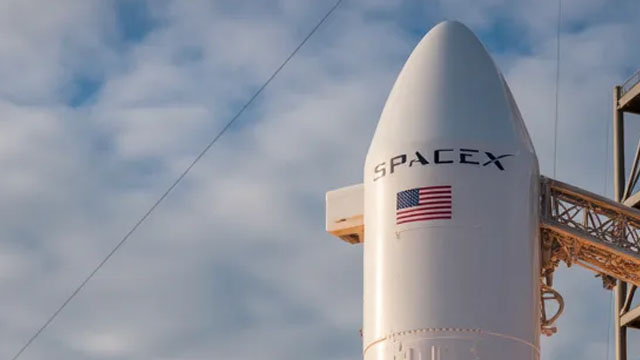
SpaceX reported Q3 revenue of $14.58B and net income of $4.4B; its AI segment tripled quarter over quarter to $7.56B and now dominates revenue. The article flags customer concentration and contract risks, massive cash burn and dilution, as well as a potential Tesla merger that could further dilute shareholders.
Analysis
The key issue is revenue quality, not headline growth. If AI revenue is concentrated in a small number of contracts, reported growth may carry unusually high renewal, counterparty, and capacity-utilization risk; investors should not extrapolate it into a durable run rate without customer concentration, contract duration, cancellation rights, and segment cash-flow data. Rapid AI expansion can also absorb capital before it produces distributable cash, so revenue growth alongside cash burn would weaken the case for a premium multiple.
Over the next 1–3 months, the important catalysts are contract disclosures, cash-flow and capex detail, and any formal Tesla transaction terms. A stock-funded combination could transfer SPCX financing and execution risk to TSLA holders; an unclear exchange ratio or governance structure would add a conglomerate discount rather than automatically create value. The 6–18 month upside case requires AI contracts to renew and convert into cash while Starlink and launch economics support investment needs. The thesis weakens if customer concentration proves manageable, contract visibility is long, and free-cash-flow conversion improves. Treat merger discussion as optionality, not a base-case catalyst.
AllMind Terminal
AI-powered research, real-time alerts, and portfolio analytics for institutional investors.
Request TrialMarket Sentiment
Overall Sentiment
mixed
Sentiment Score
0.00
Ticker Sentiment
Key Decisions for Investors
- Do not buy SPCX solely on quarterly AI growth. Before adding exposure, verify segment cash flow, capex, customer concentration, contract duration, and whether reported revenue is recurring.
- Watch for the next disclosure or filing on AI customer concentration and contract terms. If revenue remains concentrated and cash burn expands, consider reducing SPCX risk or using a defined-risk downside hedge where liquid instruments are available; reassess if renewals and cash conversion demonstrate durability.
- If a Tesla combination becomes formal, evaluate consideration, dilution, governance, and capital-allocation commitments before trading the headline. A stock-funded deal with unfavorable terms could support a conditional SPCX-underweight/TSLA-relative-long expression, but avoid initiating that pair before terms are known.
- Falsifiers: improving free-cash-flow conversion with sustained contract visibility would challenge the bearish quality-of-growth concern; contract loss, materially higher funding needs, or unexpectedly dilutive merger terms would strengthen it.
More News
- 'Bad time to troll': Binance cofounder Changpeng Zhao asks Elon Musk for 'respect' after post about bitcoin hack
- The big questions remaining after Anthropic’s blockbuster IPO prospectus
- SpaceX is turning away customers for the rocket that flew most of 2025’s trips to orbit, and some are paying extra for the last seats
- Nasdaq faces $2 trillion wipeout in October as AI spending fears deepen
- An AI slowdown that takes some air out of the exuberance could actually extend the boom, Wall Street veteran says
- Pile-ins, payouts, and pacing pressure: the investors behind the VCs open up