
Huawei prezentuje sześć globalnych projektów referencyjnych w energetyce, pokazując możliwości nowego systemu elektroenergetycznego uzyskane dzięki połączeniu AI i energetyki
Source: PR Newswire
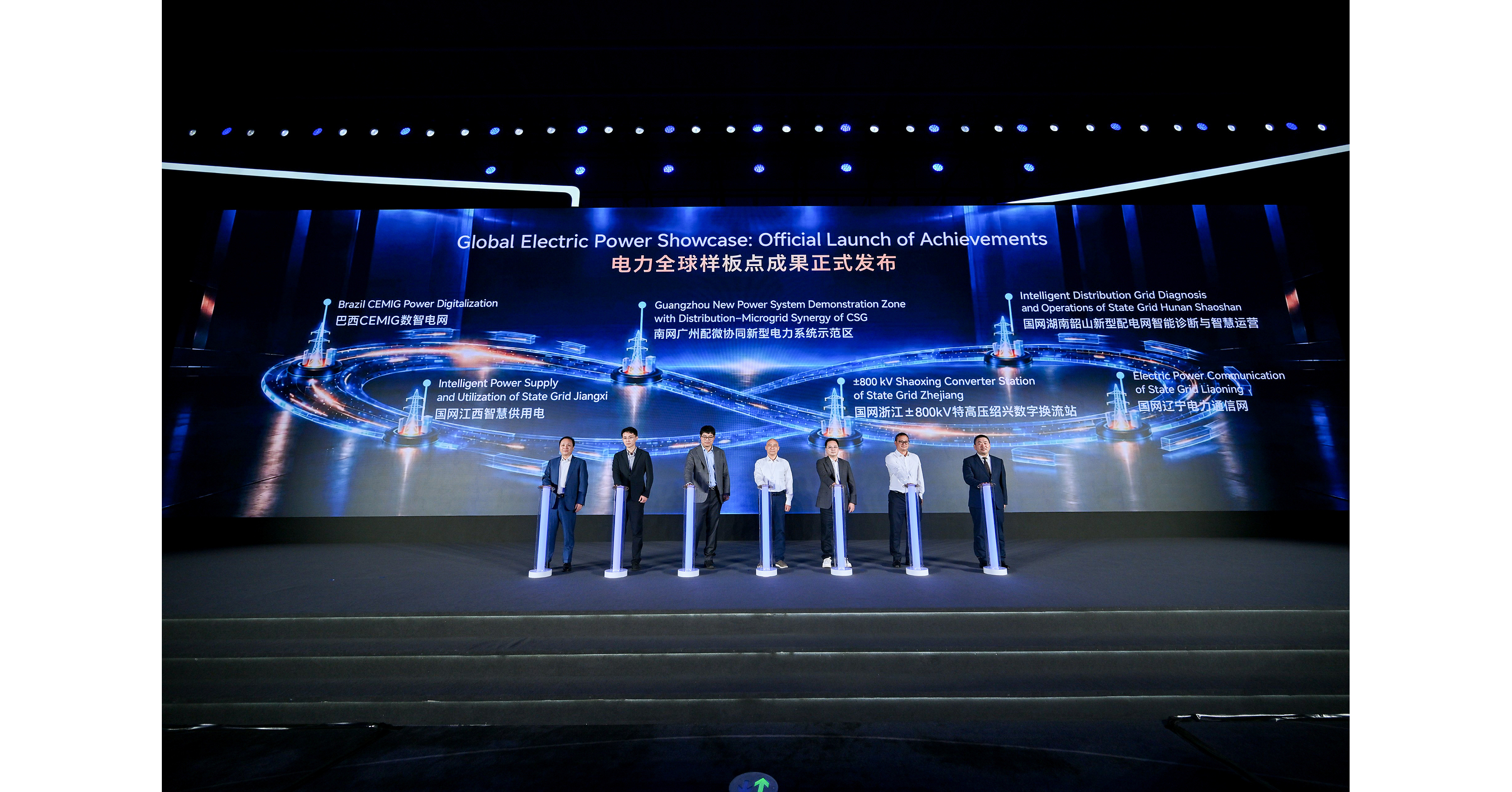
Huawei presented six global reference projects at its 2026 Global Electric Power Summit, demonstrating AI and digital technologies across power generation, distribution, transmission and consumption. The projects include CEMIG’s intelligent grid in Brazil, a ±800 kV UHV digital converter station in Zhejiang and distribution-grid deployments in several Chinese provinces. Huawei is positioning AI-enabled visibility, measurement, control and data management for low-voltage networks as core infrastructure for power-system modernization amid expanding renewables and AI data-center demand.
Analysis
This is not yet a revenue catalyst for public markets: reference deployments do not establish contract size, recurring software attach rates, deployment timelines, or whether Huawei captures hardware economics versus local integrators. The investable read-through is that distribution-grid observability is becoming a prerequisite for higher distributed-energy penetration and AI/data-center load management; this shifts incremental spending from transmission-only projects toward sensors, communications, edge control and grid-management software.
The clearest listed beneficiaries over the next 6-18 months are diversified electrification vendors with installed-base access and regulated-utility sales channels: Schneider Electric (SU.PA), ABB (ABBN.SW), Siemens Energy (ENR.DE), Eaton (ETN), Itron (ITRI) and Landis+Gyr (LAND.SW). Huawei's positioning is more competitively adverse for Western vendors in emerging markets and China-aligned procurement, where bundled telecom, cloud and power-control offerings can compress equipment pricing; it is less threatening in US/EU utility markets constrained by cybersecurity, data-sovereignty and procurement rules.
Near-term, the news is insufficient to support a directional AI-power trade and may be largely promotional. A more actionable 1-3 month catalyst is utility capex guidance: accelerating AMI, distribution automation, DER-management or substation-digitalization backlog would validate the theme, while a broader grid-capex delay or evidence that utilities cannot earn timely regulated returns on digital assets would pressure valuation premiums. The contrarian point is that AI-related power demand does not automatically translate into utility IT spending: reliability requirements can lengthen qualification cycles to years, limiting near-term revenue conversion.
AllMind Terminal
AI-powered research, real-time alerts, and portfolio analytics for institutional investors.
Request TrialMarket Sentiment
Overall Sentiment
mildly positive
Sentiment Score
0.32
Key Decisions for Investors
- No standalone Huawei-driven position; treat this as a thematic watch item until contract values, procurement awards, or utility capex budgets are disclosed.
- Build a 6-18 month watchlist long basket of ETN, ITRI and SU.PA for distribution-grid digitization exposure; initiate only following backlog/book-to-bill acceleration or raised grid-automation guidance, rather than on conference announcements.
- For emerging-market grid exposure, monitor CEMIG (NYSE: CIG) regulatory-capex filings and loss-reduction metrics over the next 2-4 quarters; a defined digital-RAB recovery mechanism would be a stronger catalyst than a pilot reference.
- Use ABBN.SW or SU.PA versus ENR.DE as a relative-value expression if grid digitization orders accelerate: prefer higher-margin electrification and automation exposure over transmission-equipment exposure, but exit if order growth fails to exceed broader utility capex growth for two reporting periods.
More News
- Saudi, Turkish, Pakistani chiefs plan urgent talks amid Yemen fighting
- Trump Versus Xi: How Their High-Stakes Summits Compare
- SEBI Allows Portfolio Managers to Invest Overseas, Short Equity Options
- Trump, Xi Address AI, Taiwan During State Visit
- Oracle Japan shares surge 7% after record fiscal first quarter, bucking selloff of U.S. parent
- China's Xi urges U.S. to cooperate on AI