
ZND US Named Exclusive U.S. Distributor for ättaGard Deployable Anti-Ram Bollard System
Source: PR Newswire
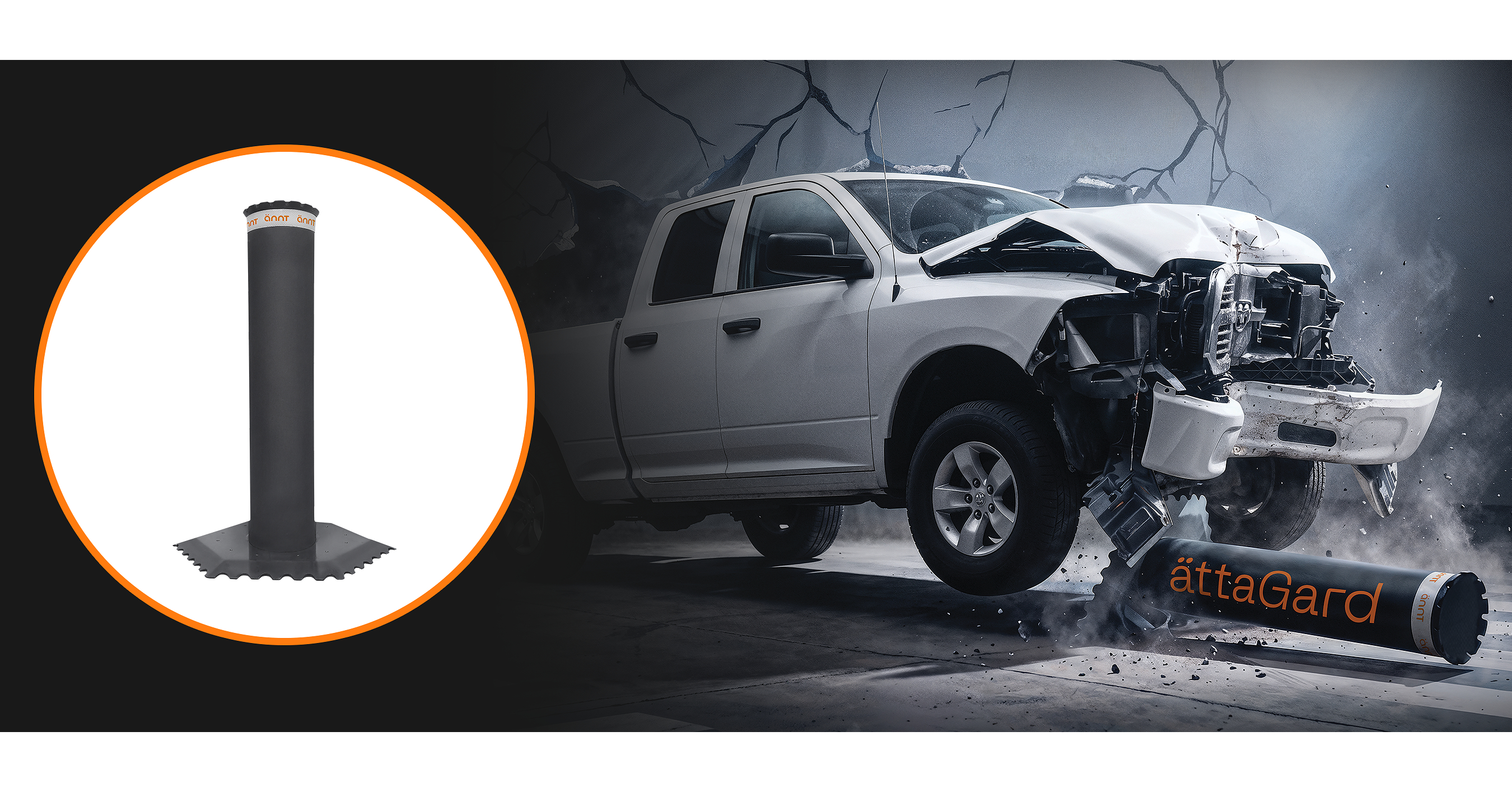
Ontario Bollards appointed ZND US as the exclusive U.S. distributor of its ättaGard crash-tested portable anti-ram bollard system for rental companies nationwide. The agreement targets growing demand for deployable vehicle barriers at events, work zones, public infrastructure and government facilities, with pilots and rental-channel rollouts already under way in key U.S. markets. The distribution partnership expands ättaGard's U.S. route to market but is unlikely to have broad public-market impact.
Analysis
This is not investable public-equity news on its own: both parties appear private, there are no disclosed fleet commitments, pricing, unit economics, or purchase obligations, and the exclusive channel arrangement could be commercially immaterial until pilots convert into rental-fleet orders. The relevant near-term read-through is modestly positive for the broader temporary-site-security ecosystem, but insufficient to alter estimates for public rental leaders United Rentals (URI) or Herc Holdings (HRI).
The potentially important second-order effect is rental-channel standardization. If portable crash-rated systems earn municipal and event-specification acceptance, rental operators can monetize a higher-margin safety attachment alongside fencing, traffic control, generators, and site services, while displacing lower-value concrete barriers and outsourced traffic-control solutions. That would favor national operators with dense branch networks and public-works relationships—URI and HRI—over smaller local equipment renters, but only after utilization data prove that security-barrier rentals are recurring rather than episodic.
The immediate catalyst path is limited to demonstrations and pilot conversions over the next 1-3 months. A more meaningful 6-18 month signal would be procurement-language changes by cities, state DOTs, stadium operators, or federal agencies requiring crash-tested deployable mitigation; such specifications could create a defensible replacement cycle and lift attachment revenue. The key falsifier is failure to disclose meaningful fleet orders or repeated deployments by the 2027 event season, indicating that the addressable market remains niche and budget-constrained.
Consensus may overestimate demand elasticity following high-profile security incidents: municipal budgets typically fund permanent hardening only after a local event or grant award, while temporary solutions compete with cheaper, familiar alternatives. Adoption also depends on liability allocation, certification acceptance, storage, deployment labor, and rental utilization—not merely product availability. Treat this as a procurement-policy watch item rather than a security-sector demand inflection.
AllMind Terminal
AI-powered research, real-time alerts, and portfolio analytics for institutional investors.
Request TrialMarket Sentiment
Overall Sentiment
mildly positive
Sentiment Score
0.38
Key Decisions for Investors
- No directional trade from this announcement; do not buy URI or HRI solely on the channel-development claim absent disclosed fleet orders, pricing, or utilization evidence.
- Create a 1-3 month alert on URI and HRI earnings calls for mentions of perimeter security, event safety, traffic-control attachments, or public-works fleet additions; a disclosed national rollout with measurable attachment revenue would support a tactical long URI/HRI versus smaller regional rental peers.
- Monitor 2027 municipal, DOT, and stadium procurement specifications for mandatory crash-tested portable vehicle mitigation. Broad specification adoption would be a 6-18 month catalyst for long URI, with HRI as the higher-beta alternative; lack of repeat orders through the next peak event season falsifies the thesis.
- For infrastructure-security exposure, favor established public beneficiaries only after confirmed spending data: long URI/HRI is preferable to attempting to infer value from private suppliers. Risk control: exit any pilot-driven trade if management does not identify incremental rental revenue or utilization within two reporting periods.
More News
- Grab aims for 'next level' in financial services with purchase of buy-now pay-later platform Atome
- Saudi coalition says Houthi drone destroyed near Mecca
- Iran war increasing inflation, straining US munitions: congressional report
- Attacks on Saudi oil expose Iraqi PM’s struggle to control armed factions
- BlackRock’s Fink, Blackstone’s Gray Back Carney’s Canada Investment Push
- Trump administration plans $2.8bn sale of 2,000-pound bombs to Israel