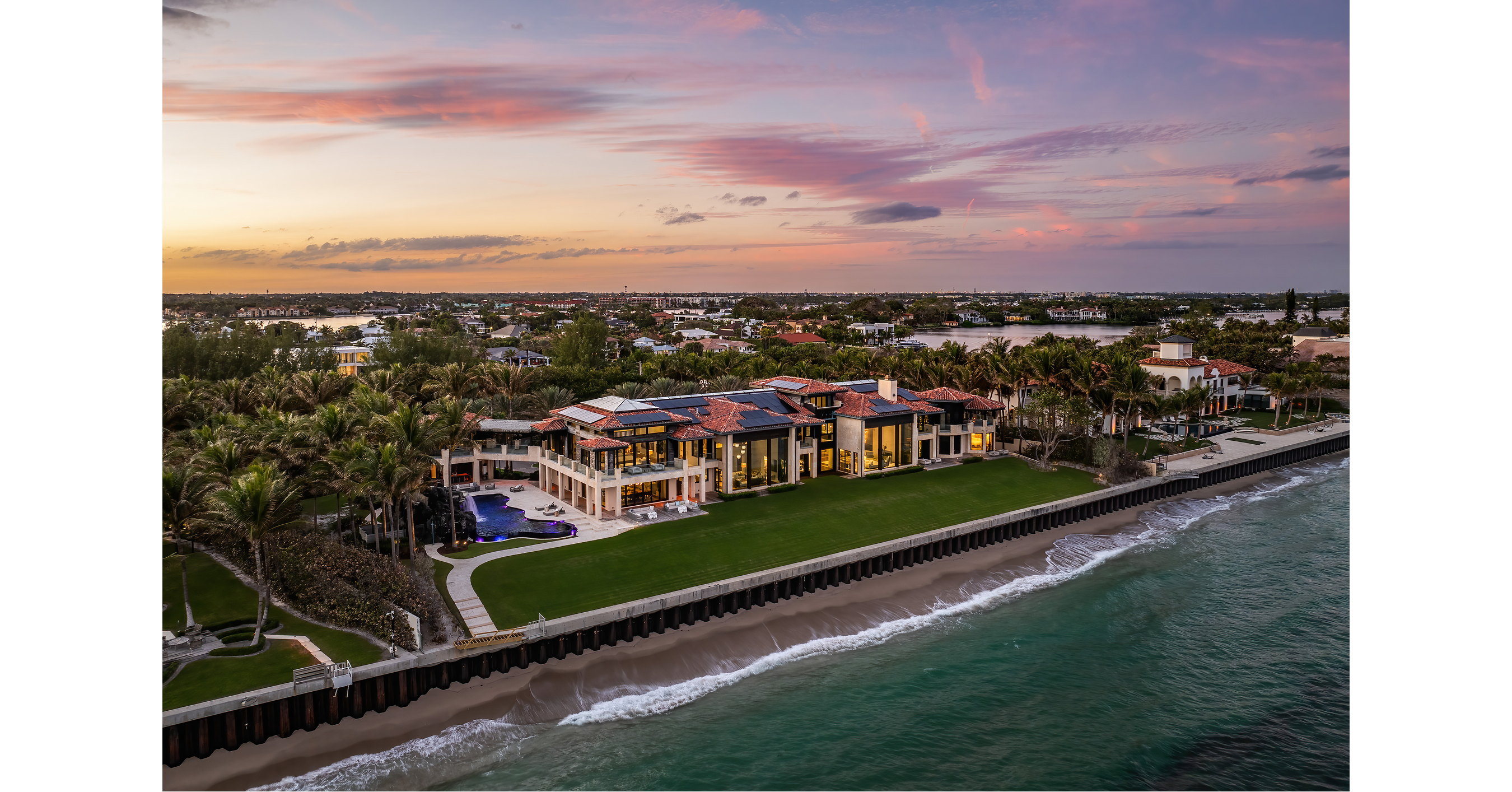
William Raveis was named “Best Luxury Full-Service Real Estate Brokerage in the USA 2026” by Luxury Lifestyle Awards, reflecting recognition for its service benchmarks and the Raveis365+ tech platform powered by Cloze, plus Elite Concierge Services. The company highlights expanded “full-service” offerings (real estate, mortgage, insurance, concierge, and a newly offered wealth management referral partnership) supporting a tailored luxury marketing approach across its 140 offices and 4,500+ agents. This is largely a brand/recognition update with limited expected direct market impact.
This reads as a branding and agent-recruiting signal, not a near-term earnings catalyst. For the public market, the value creation is mostly indirect: if a private luxury brokerage can credibly pitch a broader service stack, it raises the bar for agent retention and can marginally increase listing win rates in high-touch coastal markets. The likely beneficiaries are adjacent service vendors and software-enabled brokerage platforms; the losers are commoditized firms competing on split economics alone.
The second-order risk is that this becomes a cost center arms race. Luxury clients pay for discretion and execution, so adding mortgage/insurance/concierge/wealth-referral capabilities can improve share, but only if it materially lifts conversion or retention; otherwise it just compresses margins. For public comps like COMP, HOUS, and EXPI, the issue is not immediate revenue leakage but incremental pressure on top-producing agent economics over 6-18 months if affluent-market agents perceive a wider service moat elsewhere.
Contrarian view: the market should be careful not to equate awards and AI-labeling with defensible moat. In brokerage, brand stories matter less than agent productivity, referral velocity, and client repeat rates, which are usually invisible until transaction data rolls through. Absent evidence of accelerating luxury-side market share or materially higher closed volume in the named metros, this is probably noise for public equities over the next 1-3 months.
Tail risk is that management over-invests in ancillary services at the expense of core brokerage economics, especially if housing turnover softens. The thesis would be falsified if luxury transaction volume in the Northeast/Florida corridor slows while staffing/tech spend rises, or if public brokerage comps report stable agent counts and no spread compression in luxury segments.
AI-powered research, real-time alerts, and portfolio analytics for institutional investors.
Request TrialOverall Sentiment
mildly positive
Sentiment Score
0.15
Ticker Sentiment
