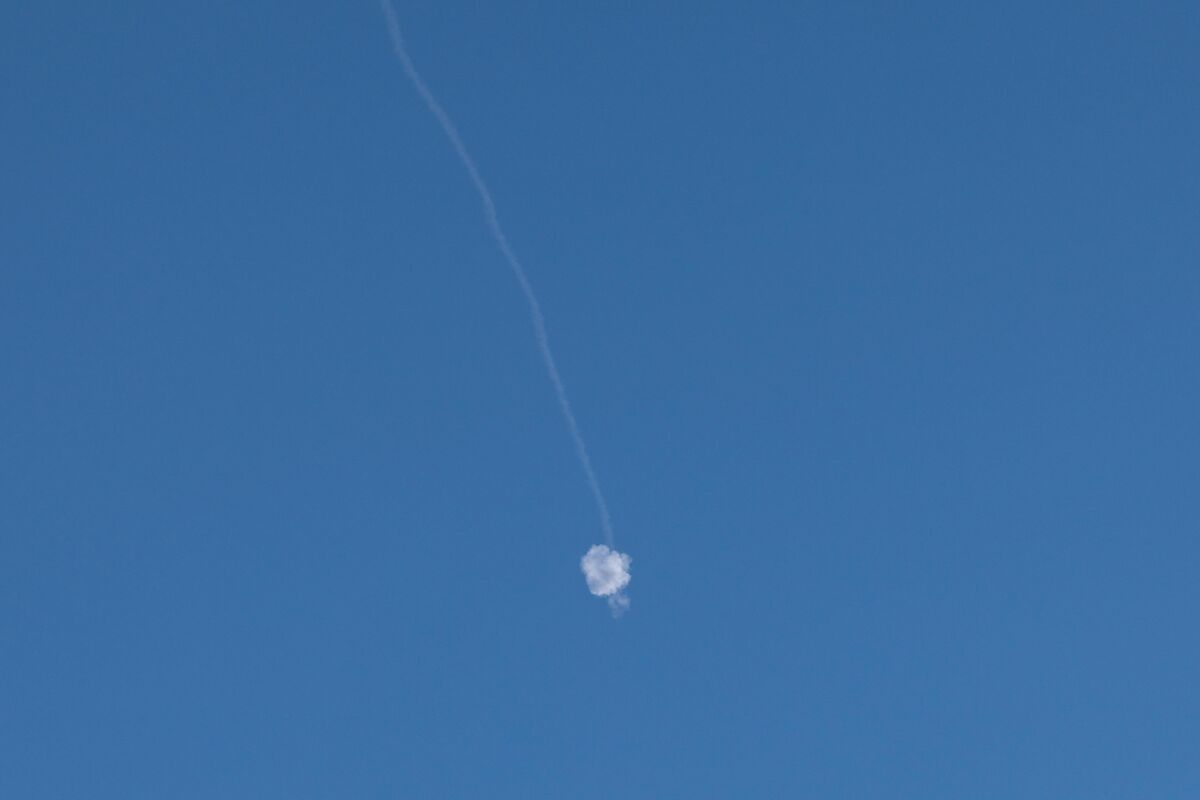
Trump said the U.S. blockade of Iranian ports will remain in full force until a final peace deal is reached, even as he urged Israel and Iran to stop military action and move toward an immediate ceasefire. The statement keeps geopolitical risk elevated and could pressure regional risk assets, energy markets, and shipping routes. Market impact is high because the announcement signals continued confrontation rather than de-escalation.
The market should treat this as a supply-risk premium re-anchoring event, not a clean “headline spike.” A maintained blockade keeps the physical chokepoint risk alive even if shooting pauses, which means tanker insurance, voyage times, and blending economics can stay impaired for weeks rather than days. That matters because the second-order impact is less about immediate lost barrels and more about precautionary inventory building across Europe and Asia, which can keep prompt crude and middle distillates bid even if the most acute conflict headlines fade.
The most asymmetric beneficiaries are not the obvious integrateds alone, but firms with hard assets closer to the barrel and pricing power in refined products: upstream producers, offshore service names with international exposure, and select refiners if feedstock availability remains uneven while product spreads stay elevated. Conversely, airlines, chemical producers, and industrials with high energy pass-through friction are the cleanest losers; their margin compression tends to show up with a lag of 1-2 reporting cycles, which makes this a better tactical short than an immediate macro hedge.
The key risk is policy reversal rather than de-escalation alone. If a deal framework emerges and blockade enforcement eases, the unwind could be sharp because positioning will likely chase the geopolitical premium higher before fundamentals fully reprice; that makes the next 1-3 weeks the critical window. Over a 3-6 month horizon, the bigger issue is that even a partial blockade can accelerate strategic stockpile releases and shipping reroutes, limiting how much upside crude retains while keeping volatility elevated.
The contrarian view is that the market may be overestimating the durability of a blockade premium if it’s more signaling than operationally enforceable. If trade flow disruption is modest, the real winner becomes volatility sellers after the initial risk spike, especially in energy once implied vols overshoot realized. The better read is that this is not a directional oil bet so much as a dispersion trade: long assets with pricing power and short cyclicals that cannot pass through input costs quickly.
AI-powered research, real-time alerts, and portfolio analytics for institutional investors.
Request TrialOverall Sentiment
moderately negative
Sentiment Score
-0.35
