
HUAWEI WATCH D3, ISH-ECS 2026'da İlk Kez Tanıtılarak Gelişmiş Tansiyon İzleme Özelliğini Günlük Yaşama Taşınıyor
Source: PR Newswire
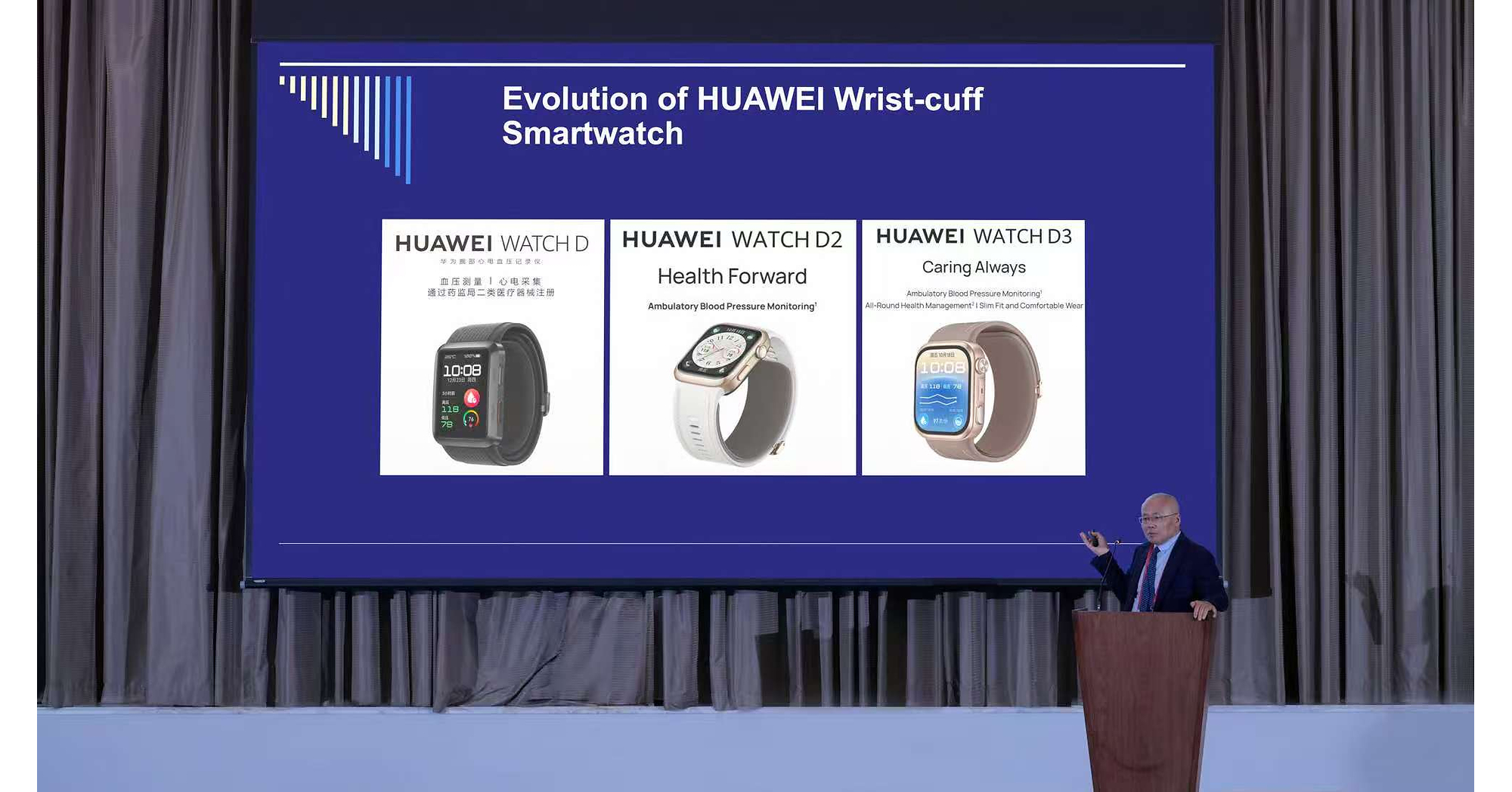
Huawei showcased its HUAWEI WATCH D3 at ISH-ECS 2026, highlighting wearable blood-pressure monitoring and a new exercise-related measurement mode; the device reportedly holds EU MDR CE certification and a Class II medical-device registration in China. Huawei and the International Society of Hypertension also established a research fund, with the first three projects selected from more than 80 applications. The article describes growing guideline recognition for validated wrist-worn monitors, while noting that further research is needed before broader clinical integration.
Analysis
The investable signal is not the launch itself; it is whether cuff-based wrist measurement becomes a clinically accepted category with repeatable use and a viable route into care. The release cites support for validated devices as a class, not independent validation of every WATCH D3 feature. Its own expert comments also leave clinical integration unresolved. Treat the product’s accuracy, adherence benefit and commercial uptake as unverified until peer-reviewed, device-specific results and market-level sales or distribution evidence emerge.
Near term, there is no clear earnings catalyst for public wearables names: Huawei is not identified here as a listed issuer, and a conference debut plus a research fund does not establish material revenue. Over 1–3 months, watch for device-specific study results, regulatory availability by geography, and whether health systems or insurers adopt the data. Over 6–18 months, successful validation could expand monitoring beyond clinic visits and create a data-and-services opportunity, but would also raise privacy, false-positive and clinician-workload concerns. Omron and established home-monitoring suppliers could face substitution only if wrist devices prove comparably reliable and convenient; Apple and Samsung may face pressure to offer more credible blood-pressure functionality, though this article does not establish a direct competitive displacement.
Contrarian read: guideline recognition may sound like imminent adoption, but endorsing validated device types is not endorsement of this model or a reimbursement decision. The more important bottleneck is clinical workflow and evidence, not consumer awareness. No directional equity trade is justified on this release alone.
AllMind Terminal
AI-powered research, real-time alerts, and portfolio analytics for institutional investors.
Request TrialMarket Sentiment
Overall Sentiment
mildly positive
Sentiment Score
0.30
Key Decisions for Investors
- No trade on the announcement alone. Keep listed wearable and home-monitoring exposures on watch; do not infer a material revenue shift from product demonstrations or the research fund.
- Set a catalyst alert for peer-reviewed, device-specific accuracy and adherence data, plus country-by-country regulatory and commercial availability. Treat broad guideline references as category-level support, not product validation.
- Monitor Omron and Apple/Samsung only for evidence of competitive substitution or product response. Revisit the thesis if health-system adoption, reimbursement, or sustained sales data appear; falsify it if independent validation is weak or clinical workflow studies show little improvement over standard monitoring.
More News
- Marvell to buy Lumentum in $115 billion deal in AI data-center bet
- Marvell, Lumentum tout historic $115B deal to create ‘category leader' in AI connectivity
- The AI boom is facing another supply crunch. This time it’s the amount of capital available to feed Silicon Valley’s endless need for cash
- Oil Prices Retreat, Apple Results on Deck
- New Apple CEO John Ternus chalks up some early wins, but the honeymoon is over
- Apple's quarter is not perfect. But with enough to like, we raised our price target