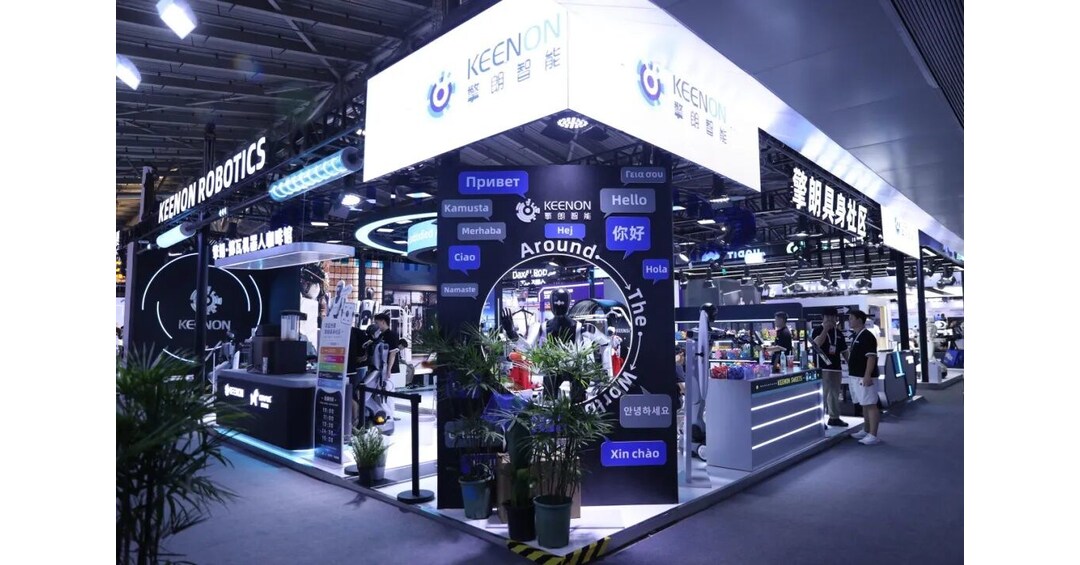
KEENON showcases at WAIC 2026 a complementary deployment strategy combining humanoid robots with specialized service robots across hotel, restaurant, and retail workflows. The company cites IDC rankings placing it #1 globally for commercial service robot deliveries in 2025, while it remains a leader in delivery robots, and reports having deployed 100,000+ service robots across 70+ countries/regions. The event highlights use cases (e.g., hotel laundry with humanoids plus DINERBOT T9) and emphasizes autonomous execution without teleoperation, supporting a positive market positioning narrative rather than a near-term financial catalyst.
This reads more like category signaling than a near-term earnings event. The real market implication is that service robotics is moving from single-task automation to workflow orchestration, which favors vendors that can sell fleets, software, integration, and maintenance rather than one-off hardware units. That is bullish for the adoption curve, but it also means the economics accrue to operators with dense, repeatable labor processes and high turnover — not to every customer simply because it pilots a humanoid.
The second-order effect is a narrowing of the pure-play humanoid TAM. If specialized robots continue to own transport/cleaning and humanoids are relegated to manipulation and guest interaction, the investment case shifts from "replace all labor" to "patch the hardest-to-automate steps." That lowers the bar for deployment, but it also reduces the addressable value per site and can pressure pricing for low-end service robot competitors. For listed hospitality operators, the upside is margin relief only where utilization is high and labor is structurally sticky.
Time horizon matters: the stock move is probably all sentiment over days, while the real catalyst path is 1-3 months when customers translate demos into capex budgets and procurement orders, and 6-18 months if repeat deployments show measurable payback. The thesis breaks if uptime/maintenance costs erase labor savings or if macro softness delays discretionary capex. The contrarian read is that the market may be overvaluing humanoid optionality and undervaluing boring fleet-management economics; the winners are more likely the operators with best implementation discipline than the OEMs with the loudest product launch.
AI-powered research, real-time alerts, and portfolio analytics for institutional investors.
Request TrialOverall Sentiment
mildly positive
Sentiment Score
0.35
Ticker Sentiment
