
Huawei Digital Power představila na veletrhu IDEE 2026 řešení pro různé scénáře s využitím technologie tvorby sítě a umělé inteligence
Source: PR Newswire
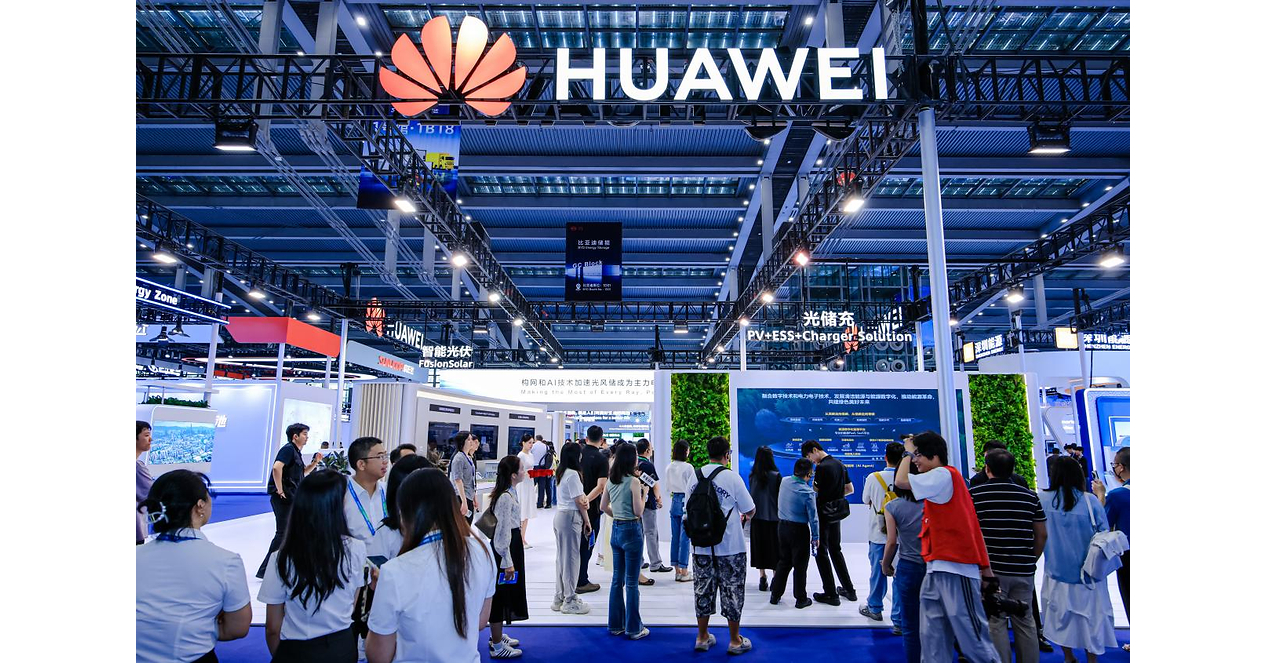
Huawei Digital Power unveiled grid-forming renewable-energy, storage, charging and AI data-center solutions at IDEE 2026, including a 1,000 VAC utility-scale PV platform and an 11 MW intelligent transformer station. Its new grid-forming ESS supports a 12.5 MW/50 MWh configuration, while its 241 kWh commercial-and-industrial ESS claims 91.8% round-trip efficiency and 100% depth of discharge. Huawei also said its AI-scheduled FusionCharge PV+ESS charging system can increase station revenue by more than 15%, underscoring its push into integrated energy infrastructure.
Analysis
The investable implication is not Huawei-specific—its private status and restricted access for many Western buyers limit direct monetization—but a further shift in renewables procurement toward grid-forming inverters, storage controls and power-electronics software rather than commodity PV hardware. This favors suppliers with validated grid-code capability and installed-service footprints, including Sungrow (300274 CH), Fluence (FLNC), Wärtsilä (WRT1V FH) and, selectively, Nextracker (NXT) where utility-scale project economics remain intact. It is a relative negative for pure-play module manufacturers such as JKS and CSIQ if developers redirect incremental capex toward interconnection, storage and grid-stability equipment while total project budgets stay fixed.
Over the next 1-3 months, the key catalyst is whether grid-forming requirements become explicit in Chinese provincial tenders and major emerging-market auctions; product-show claims alone do not change earnings. Over 6-18 months, AI-data-center load growth makes colocated storage and microgrids a higher-value bottleneck: data-center developers will pay for firm capacity and faster interconnection, supporting FLNC, AES and ETN more than upstream solar names. The offsetting risk is aggressive Chinese pricing: Huawei and Sungrow could compress global inverter and BESS integrator margins even as unit volumes rise, leaving Western peers with revenue growth but weak operating leverage.
Consensus may overstate the near-term benefit to listed energy-storage names. Grid-forming functionality is increasingly a procurement prerequisite, not necessarily a separately priced feature, and claimed station-level revenue uplift requires independent utilization and tariff evidence. A sustained trade needs confirmation through order backlog, gross-margin resilience and contract terms—not exhibition specifications or certification milestones.
AllMind Terminal
AI-powered research, real-time alerts, and portfolio analytics for institutional investors.
Request TrialMarket Sentiment
Overall Sentiment
moderately positive
Sentiment Score
0.42
Key Decisions for Investors
- Maintain a 6-12 month quality pair: long ETN / short TAN. Electrification and data-center interconnection spending should support ETN's pricing and service mix, while TAN retains exposure to oversupplied module economics; reassess if global module prices rise materially for two consecutive quarters or ETN data-center orders decelerate.
- Watch FLNC for a tactical long only after the next earnings release confirms backlog conversion, project gross-margin improvement and no material warranty/reserve increase. Target 20%+ upside over 6-12 months if storage bookings accelerate; exit on renewed negative gross margin or a material cash-burn guide-down.
- Avoid adding to JKS and CSIQ on this news. Treat any rally as an opportunity to reduce exposure unless management demonstrates that storage/inverter attachment lifts consolidated gross margin rather than merely protects project volume over the next two reporting periods.
- Set a procurement alert for grid-forming mandates in China, Saudi Arabia, Australia and U.S. ISO markets. Broad mandates would strengthen the long FLNC/WRT1V thesis; evidence of Huawei-led price cuts below incumbent economics would instead favor a short basket of high-multiple storage integrators.
More News
- Iran vows 'painful' retaliation as Trump piles on pressure ahead of UN General Assembly meeting
- Oil falls as crude flows remain 'surprisingly strong'
- Trump & Xi to Meet Amidst Friction on Wars, Tech, Trade
- US Diesel Tops $6.50 a Gallon as Wars Worsen Global Fuels Crunch
- Here are the 3 big things we're watching in the stock market this week
- Tech leads shares higher in Asia, oil eases