
LG ELECTRONICS BRINGS HIGH-EFFICIENCY LIVING TO MORE CONSUMERS AT IFA 2026
Source: PR Newswire
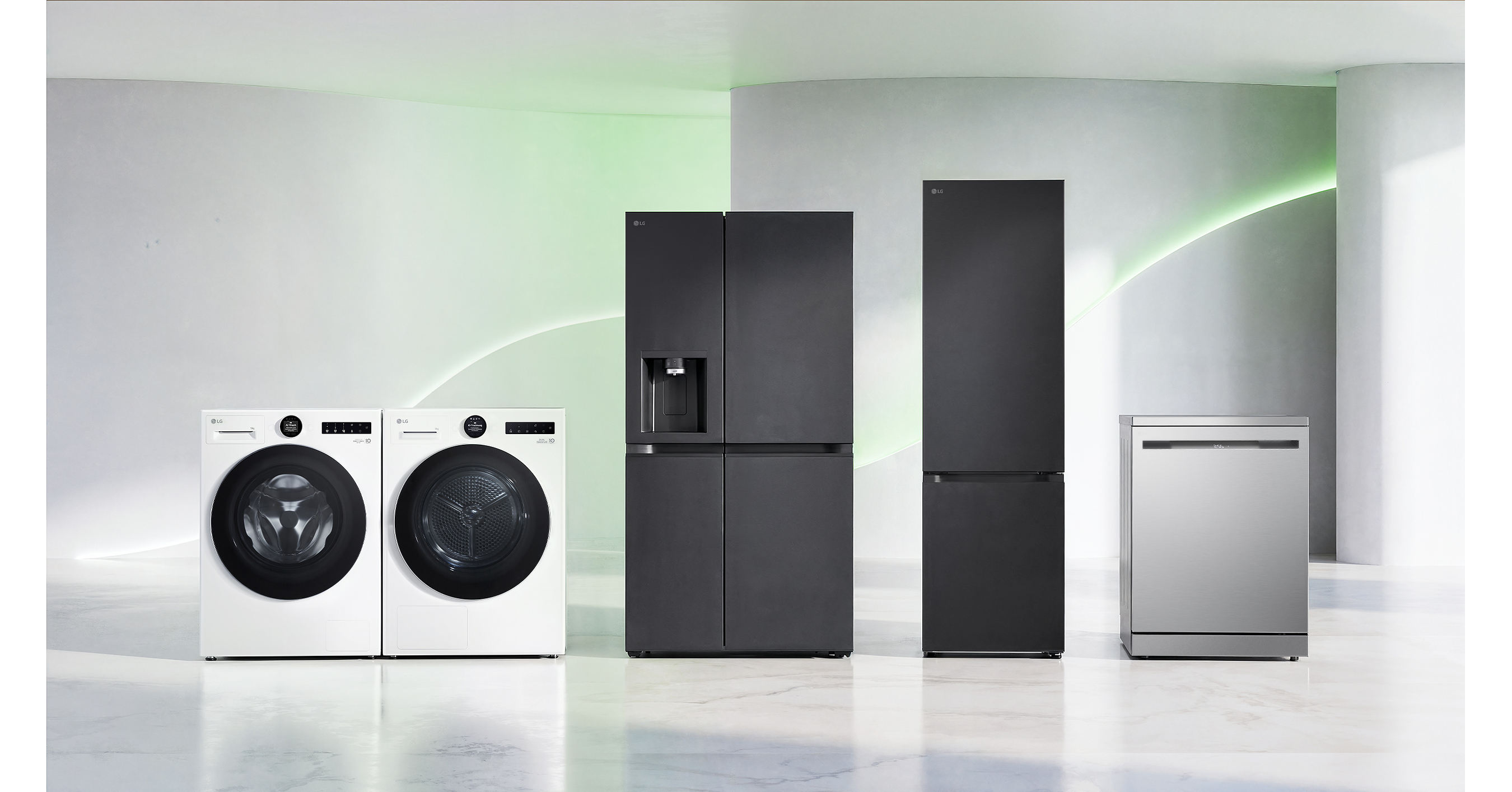
LG Electronics is using IFA 2026 to mainstream high-efficiency appliances, extending A-grade (or better) energy performance across laundry, refrigerators and dishwashers. Claimed efficiency improvements include laundry units exceeding A-grade by up to 70%, a new mass-premium dryer upgraded from B-grade to A-grade, refrigerators exceeding A-grade by up to 35% (plus an “AI Saving” mode), and dishwashers delivering energy savings up to 30% higher than A-grade. The article is primarily product/strategy-focused with limited direct financial implications, but it signals a sustained push toward lower operating-energy demand for European households.
Analysis
This is more of a competitive positioning signal than a standalone financial event. The economic value is in efficiency becoming a default spec, which tends to move the industry from feature-based pricing toward certification-based price competition; that is usually margin-negative for laggards and only modestly positive for leaders unless the leader can sustain a meaningful price premium. The immediate market impact is limited because buyers do not re-rate appliance OEMs on booth announcements; the first real read-through will be channel checks, sell-through data, and whether retailers allocate better shelf space to higher-rated SKUs.
Second-order, the pressure lands hardest on manufacturers with older compressor, motor, and heat-pump architectures, especially where European energy labels influence purchase decisions. Whirlpool and Electrolux are the relevant public proxies: if LG’s claims translate into retail traction, they may face either higher R&D/capex or promotional spend to defend share, which can compress gross margin before volumes improve. Conversely, the supply chain for efficient components—motors, inverter electronics, insulation systems—could see incremental demand, but that benefit is diffuse and unlikely to show up in one quarter.
The contrarian point is that “efficiency” is often a marketing overlay unless it changes total cost of ownership enough to overcome brand and distribution inertia. The thesis is falsified if retailer mix does not shift over the next 1-2 quarters or if European utility prices keep falling, because the consumer payback shrinks and the feature loses urgency. Over 6-18 months, this is more likely to be an industry-wide spec upgrade than a true moat expansion for LG.
AllMind Terminal
AI-powered research, real-time alerts, and portfolio analytics for institutional investors.
Request TrialMarket Sentiment
Overall Sentiment
mildly positive
Sentiment Score
0.18
Key Decisions for Investors
- No immediate trade in PPTL on this headline; impact appears de minimis and the company-specific linkage is not economically material. Reassess only if there is evidence the product push is tied to a disclosed revenue mix shift or margin guidance change.
- Watchlist: WHR vs ELUXB over the next 1-3 months. If channel data shows LG taking share in Europe’s A-/above-A efficiency tiers, consider a short WHR / long cash or defensively long ELUXB relative pair, since weaker portfolios are more exposed to spec-based pricing pressure.
- Set an alert on European appliance promo intensity and retailer inventory turns through the next two earnings cycles. If promotions rise without unit growth, that is the tell that efficiency is becoming a margin headwind rather than a demand driver.
- If you want a cleaner expression, use a sector hedge: short a basket of appliance laggards against long an energy-efficiency supply-chain proxy only if we confirm component orders are rising; otherwise the risk/reward is too indirect.
More News
- Delta Air Lines cuts 2026 forecast on fuel surge, but CEO says demand is still strong
- Is AI the new China Shock?
- Why is T-Mobile stock tumbling today?
- This exchange stock is a buy on renewed options deal, Morgan Stanley says
- India calls JD Vance's comments about immigrants 'deeply offensive'
- The AI race may be decided by financing—not just better chips
From AllMind Research
- Anthropic IPO Preview: Valuation, Timing, and What to Watch
- Shein After the IPO: Venue, Valuation, and What Must Be Proved
- What AI Research Tools Should a Small Hedge Fund Buy First?
- Capital Intensity as Gravity: The AI Trade Enters Its Industrial Era (Looking at Q3 2025 Earnings in Tech)
- AI Portfolio Monitoring: Build an Alert Policy Analysts Can Audit