
Warfare Technology Is Finding a New Home on Britain’s Farms
Source: Bloomberg
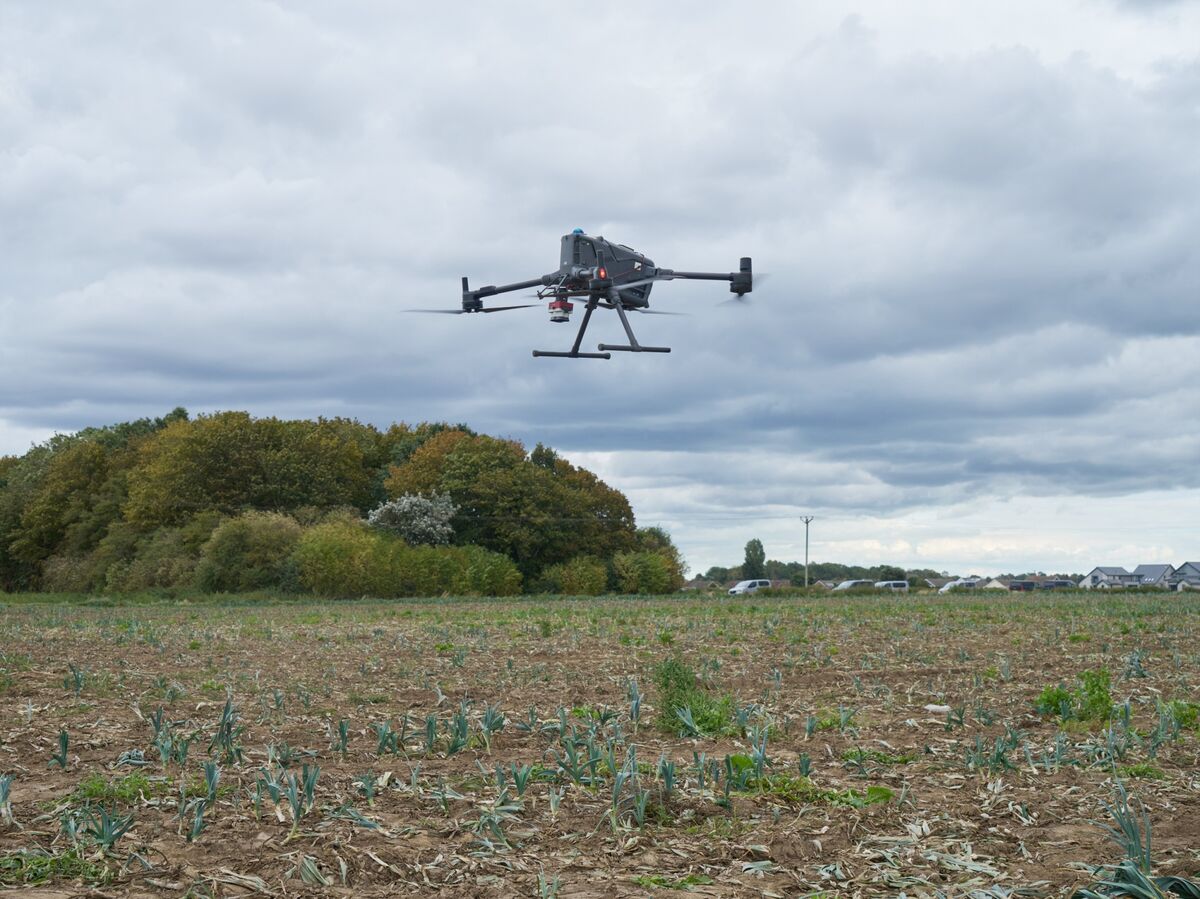
British farmers are using drones to scan crops for early signs of disease and stress as extreme weather raises the need for resilience. Radar adapted from systems developed to detect buried landmines and unexploded devices in Afghanistan is also being used to examine soil for potatoes.
Analysis
The investable signal is not the origin of the tools but whether they turn into repeatable, farm-level returns. Earlier stress detection could reduce avoidable crop losses and make yields less weather-sensitive; subsurface mapping could improve planting and irrigation decisions. If validated at scale, value accrues first to precision-agriculture hardware, sensing and analytics providers, while growers and potato processors benefit only if yield stability exceeds equipment, service and data costs. More precise treatment may reduce blanket pesticide use but shift demand toward targeted inputs; it is not automatically negative for crop-protection suppliers.
Near term, this is an adoption anecdote, not evidence of material revenue or a sector-wide productivity inflection. Over 1–3 months, watch for independent trial results, repeat customer orders, and quantified payback across different soils and weather conditions. Over 6–18 months, broader adoption depends on affordability, interoperability with farm machinery and software, and whether smaller farms can access the tools through contractors or service models. False detections, poor performance outside pilot conditions, or weak farm economics could stall uptake. The contrarian point: dramatic military-tech framing may overstate novelty and commercial scale; the more consequential change, if any, is gradual data integration into routine farm decisions. No direct trade is justified without named vendors, deployment figures or verified customer economics.
AllMind Terminal
AI-powered research, real-time alerts, and portfolio analytics for institutional investors.
Request TrialMarket Sentiment
Overall Sentiment
neutral
Sentiment Score
0.10
Key Decisions for Investors
- No immediate position: the article provides no vendor identities, adoption volumes, pricing, or independently verified yield and cost impact.
- Build a watchlist across precision-ag sensing, farm software and equipment providers; use company names rather than assigning tickers absent verified identity data.
- Treat repeat deployments and measured payback—not demonstrations—as the 1–3 month validation catalysts. Seek evidence of reduced crop loss or input use net of service and equipment costs.
- Reassess the structural thesis if trials fail across soil types, growers do not renew, or adoption remains limited to subsidized pilots; positive evidence would be scalable contractor-led deployment and integration with existing farm workflows.
More News
- Cathie Wood 'always feels better when the market is worried' — here's why
- Asia Markets Brace for More AI Volatility
- As AI data centres guzzle energy, can we harness their wasted heat?
- S&P 500 Price Forecast: Strong Jobs Data Tests Rebound After AI Rout
- The battle for megawatts: why restricting data centers is a strategic mistake
- So much ‘liquid gold’ could hit the market that the world’s top producer is withholding output—but supplies can’t stay ‘extra virgin’ for long