
Expect Your Home Heating Oil Will Rise $1,000 This Year
Source: 247wallst.com
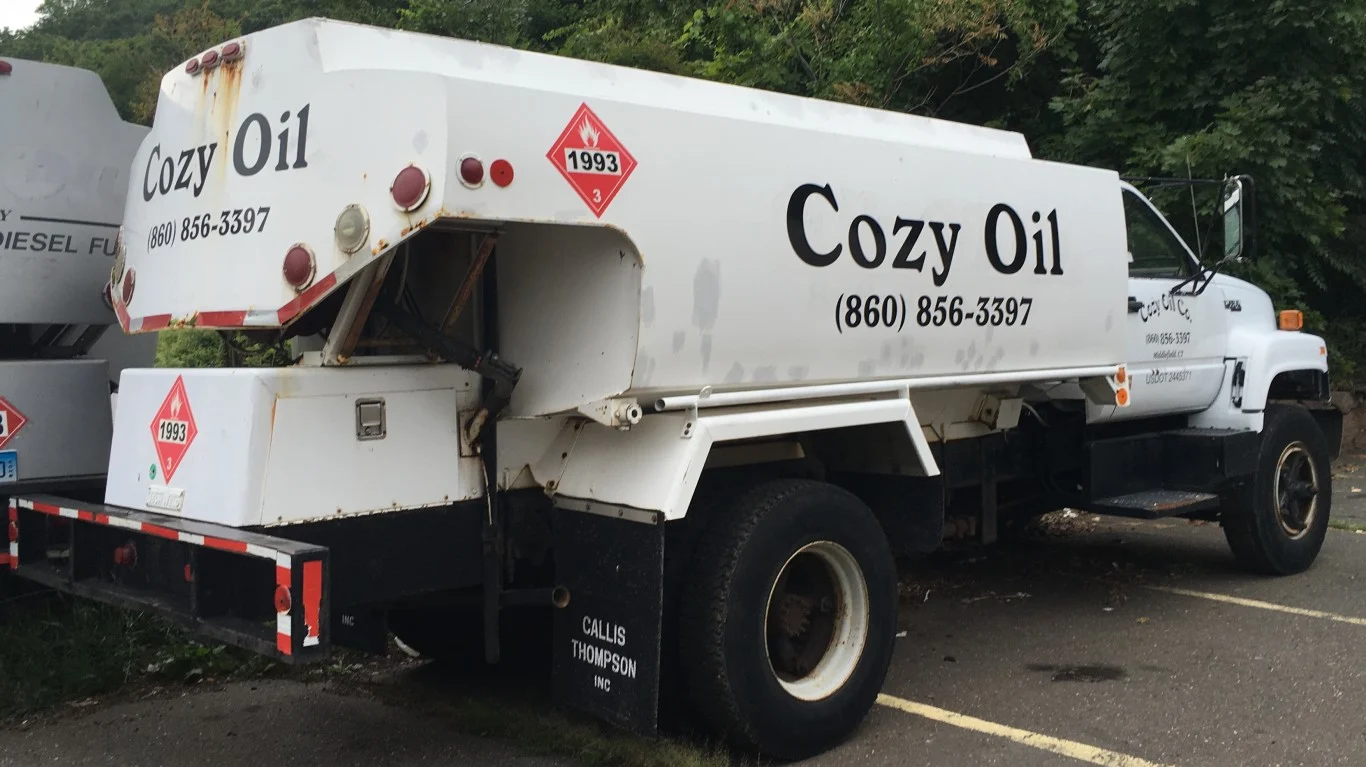
Home heating oil prices are expected to rise 34% this year to $5.26 per gallon. For three 240-gallon tank deliveries over a four-month season, the added cost is estimated at roughly $960 versus last year.
Analysis
The key market channel is regional household cash-flow pressure, not a broad energy-equity earnings windfall. Heating oil is concentrated in the Northeast; a sustained cost shock could weigh on local discretionary spending and increase arrears or assistance needs, especially if cold weather raises consumption. That is a second-order risk for Northeast-facing retailers and service businesses, but the article provides no evidence to size the effect or identify exposed issuers.
For energy markets, the relevant confirmation is distillate pricing and availability—not crude alone. A price increase can reflect crude, refinery constraints, low distillate inventories, weather, or local delivery costs, with very different implications for refiners and fuel distributors. Higher wholesale prices do not automatically translate into higher distributor margins; volumes, hedging, and pass-through timing matter.
Near term, the forecast is vulnerable to warmer weather, lower crude prices, or replenished distillate inventories. Over 1–3 months, track EIA distillate stocks, NY Harbor ULSD prices/cracks, heating-degree days, and realized retail prices. Over 6–18 months, persistent household energy costs could reinforce regional affordability and inflation concerns, but substitution and conservation would cap demand. The estimate lacks sourcing and should be treated as a scenario, not a verified realized-price outcome.
AllMind Terminal
AI-powered research, real-time alerts, and portfolio analytics for institutional investors.
Request TrialMarket Sentiment
Overall Sentiment
mildly negative
Sentiment Score
-0.30
Key Decisions for Investors
- No directional trade on this report alone: the forecast does not establish whether the increase is already priced into distillate futures or whether it reflects crude, refining, or local delivery dynamics.
- Set a conditional alert on NY Harbor ULSD (heating-oil futures): consider a tactical long only if retail prices confirm the move and EIA distillate inventories tighten; exit the thesis if inventories rebuild or prices reverse alongside milder weather.
- Watch Northeast consumer-facing exposure as a second-order risk, but do not short broad consumer discretionary solely on this estimate; seek evidence in regional sales, delinquency, or guidance data before positioning.
- Falsifiers and verification items: the forecast's source and methodology, actual local delivered prices, winter heating-degree days, EIA distillate inventory changes, and the ULSD crack spread.
More News
- Trump vows quick end to Iran war as fighting in Yemen intensifies
- Trump's diesel agreement with Putin accused of contradicting Russia sanctions law
- Israel’s economy prospers despite years of war, but prices worry voters
- Trump reaches Russian diesel supply deal as U.S. fuel prices surge
- RBI Announces Special Oil Window, Regulatory Steps for Rupee
- Rising fuel costs slashed Delta’s profit outlook despite strong demand