
Transportation and Infrastructure Leader Michael Schneider Partners with Paslay Group
Source: PR Newswire
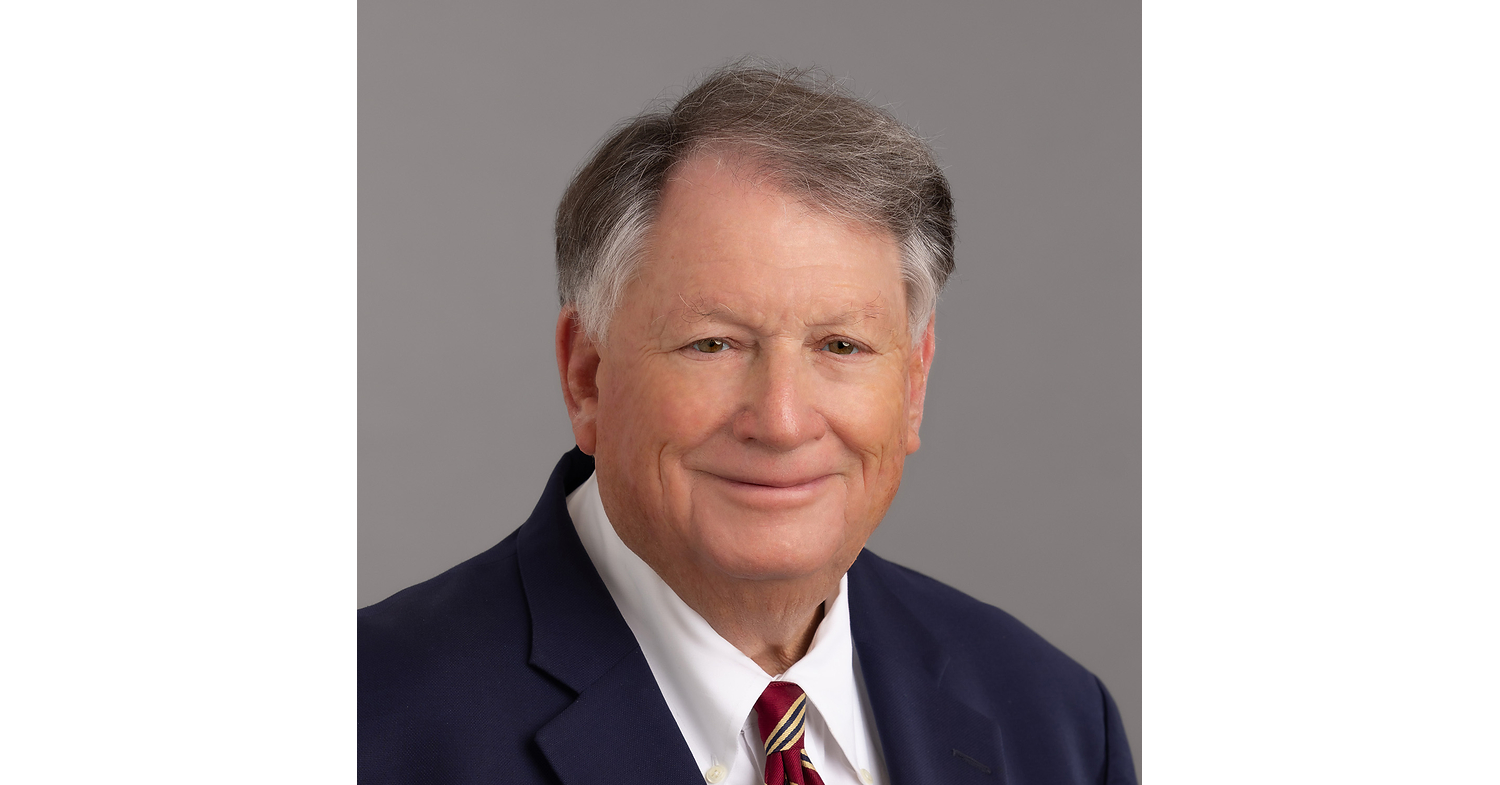
Paslay Group has engaged transportation and infrastructure executive Michael Schneider to help build its transportation and infrastructure advisory practice, including a national capability for local infrastructure ballot initiatives. The move supports the firm's expansion beyond aviation into transportation, ports, higher education and healthcare following its 2026 acquisitions of Unison Consulting, Trifiletti Consulting and Barich Inc. Paslay Group has managed more than $60 billion of assets across 50 U.S. airport engagements since 2006, but the announcement provides no financial terms or near-term revenue outlook.
Analysis
This is not a fundamental catalyst for WSP; the relevant read-through is competitive rather than financial. Paslay’s move into surface transportation advisory adds a small, owner-side specialist to a fragmented market where WSP, AECOM and TTEK monetize early-stage planning, program management and alternative-delivery expertise. The near-term effect is likely limited to pursuit-level competition in Texas and selected municipal agencies, not a measurable shift in WSP’s backlog, utilization, or pricing.
The more useful signal is that local funding initiatives are becoming a strategic bottleneck for transit and highway capital programs. Advisory firms with credibility in ballot design, P3 structuring and program delivery can influence which projects reach construction; that creates a 6-18 month pipeline benefit for publicly traded engineering firms only if local tax measures and federal/state matching funds translate into notice-to-proceed activity. Design consultants generally benefit earlier than contractors, while fixed-price construction firms face the greater eventual execution and inflation risk.
Consensus should not extrapolate a senior hire and private-firm expansion into a broad infrastructure-spending acceleration. The key falsifier for a constructive engineering-services view is persistent municipal budget pressure or failed local ballot measures, which would delay the conversion of planning work into higher-value design and construction-management revenue. For WSP specifically, a more material competitive concern would require evidence of lost large program-management mandates or deteriorating North American organic-growth guidance, neither of which is established here.
AllMind Terminal
AI-powered research, real-time alerts, and portfolio analytics for institutional investors.
Request TrialMarket Sentiment
Overall Sentiment
mildly positive
Sentiment Score
0.32
Key Decisions for Investors
- No directional trade in WSP on this item; impact is immaterial relative to its diversified global backlog. Reassess only if WSP discloses weaker North American transportation organic growth or material program-management award losses over the next 1-2 earnings cycles.
- Maintain a 6-12 month watchlist bias toward WSP, AECOM and TTEK as local transit/highway funding measures move toward approval; initiate only after verifying award conversion, funded backlog growth and stable utilization rather than on advisory-industry hiring announcements.
- For infrastructure exposure, prefer asset-light design/program-management firms (WSP, AECOM) over fixed-price contractors when municipal funding visibility improves: they capture earlier lifecycle spend with lower commodity and labor-cost pass-through risk. Exit or hedge the thesis if public-agency procurement delays push transportation backlog conversion beyond two quarters.
- Monitor October transit-industry meetings and subsequent municipal ballot calendars as an information source, not a catalyst. A cluster of approved dedicated-tax measures could support a long WSP/AECOM basket versus construction-heavy infrastructure exposure over 6-18 months; absent disclosed project values and funding sources, keep sizing neutral.
More News
- Mark Ruffalo says Paramount’s $111 billion Warner Bros. deal ‘Will stifle creativity, weaken free speech, and cost people their jobs’
- David Ellison says combined Paramount and Warner Bros. Discovery will be named Skydance
- Trump vs Europe as US presses for release of emergency diesel stocks
- Anthropic warns government attitudes may hurt customer ties, IPO prospectus shows: Reuters
- New aircraft carrier, 10,000 US troops: Is the Iran war about to escalate?
- U.S. to send third carrier group to Mideast as Trump warns of new Iran strikes