
BSE Chief Says Most Players Still Avoid India’s Closing Auction
Source: Bloomberg
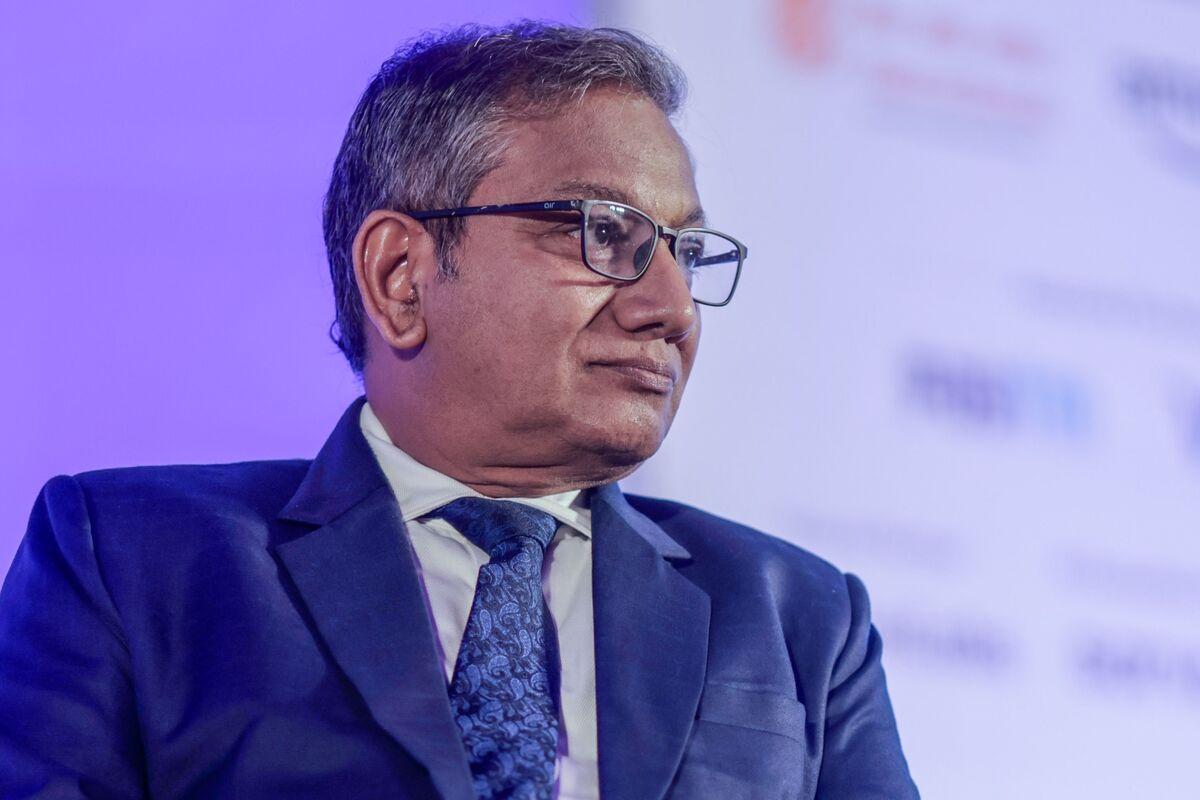
BSE CEO Sundararaman Ramamurthy said most market participants remain absent from India’s month-old closing auction mechanism, with only a limited number of institutions participating. The exchange is focused on stabilizing the trading window, indicating that initial operational or adoption hurdles have yet to be resolved. Limited participation could constrain the auction’s effectiveness in price discovery at the market close.
Analysis
The relevant signal is not directional equity demand but incomplete market-structure adoption: fragmented participation during the close reduces the reliability of the auction as a benchmark for index trackers, passive funds and execution algorithms. Until depth becomes self-reinforcing, institutional flow is likely to remain concentrated in the continuous session or migrate to the venue with better close liquidity, preserving elevated implementation shortfall for benchmark-sensitive India mandates.
Near term, this is a modest negative for BSE Ltd. (BSE IN) rather than Indian equities broadly. A thin close impairs the exchange's ability to monetize higher-value closing-cross volume and could delay any expected mix shift toward institutional execution revenues; it also strengthens the relative position of NSE, whose established liquidity network benefits when participants avoid operational uncertainty. The critical 1-3 month catalyst is published evidence of improving auction participation, tighter indicative-price dislocations and lower failed-order rates—not management assurances.
The contrarian view is that initial avoidance is normal and may create an underappreciated upside option for BSE if regulatory or index-provider conventions eventually encourage closing-auction use. But adoption will not be linear: a single volatile rebalance or large block executed poorly could entrench institutional reluctance, while mandatory or quasi-mandatory benchmark execution rules would rapidly reverse the economics. This is a market-microstructure watch item, not a standalone India beta signal.
AllMind Terminal
AI-powered research, real-time alerts, and portfolio analytics for institutional investors.
Request TrialMarket Sentiment
Overall Sentiment
mildly negative
Sentiment Score
-0.25
Key Decisions for Investors
- No directional NIFTY or India ETF trade from this development alone; the expected effect is execution quality and venue share, not aggregate earnings or macro liquidity.
- Maintain a relative watchlist: BSE IN versus NSE unlisted-market valuation indicators. Consider a relative underweight of BSE only if quarterly data show closing-auction participation remains immaterial and cash-equity market-share or transaction-revenue growth trails for two consecutive reporting periods.
- For India passive or benchmarked portfolios, instruct execution desks to compare closing-auction indicative prices and realized slippage against VWAP/continuous-session alternatives over the next 20-40 trading days; use the result to determine whether close participation is economically justified.
- Reassess any bearish BSE view if auction turnover reaches a sustained, disclosed institutional scale, price-discovery errors narrow during rebalance days, or exchange guidance identifies measurable revenue capture from the new mechanism.
More News
- Here’s the ‘core economic flaw’ in the AI bull case as stock and bond trades unravel, according to a top economist
- 5 big analyst AI moves: ’Uniquely catalyst-rich’ months ahead for SpaceX
- Xencor reports phase 1 data for cancer drug XmAb819
- ‘Total Meltdown’ in Riskiest Debt Unnerves Market: Credit Weekly
- AI funding fears rattle Wall Street. Here's how we're adjusting our portfolio
- Biotech stocks are surging. How investors can play the new drug innovation boom