
FarmHouse Fresh Founder Shannon McLinden Named BeautyMatter Changemaker of the Year Finalist
Source: PR Newswire
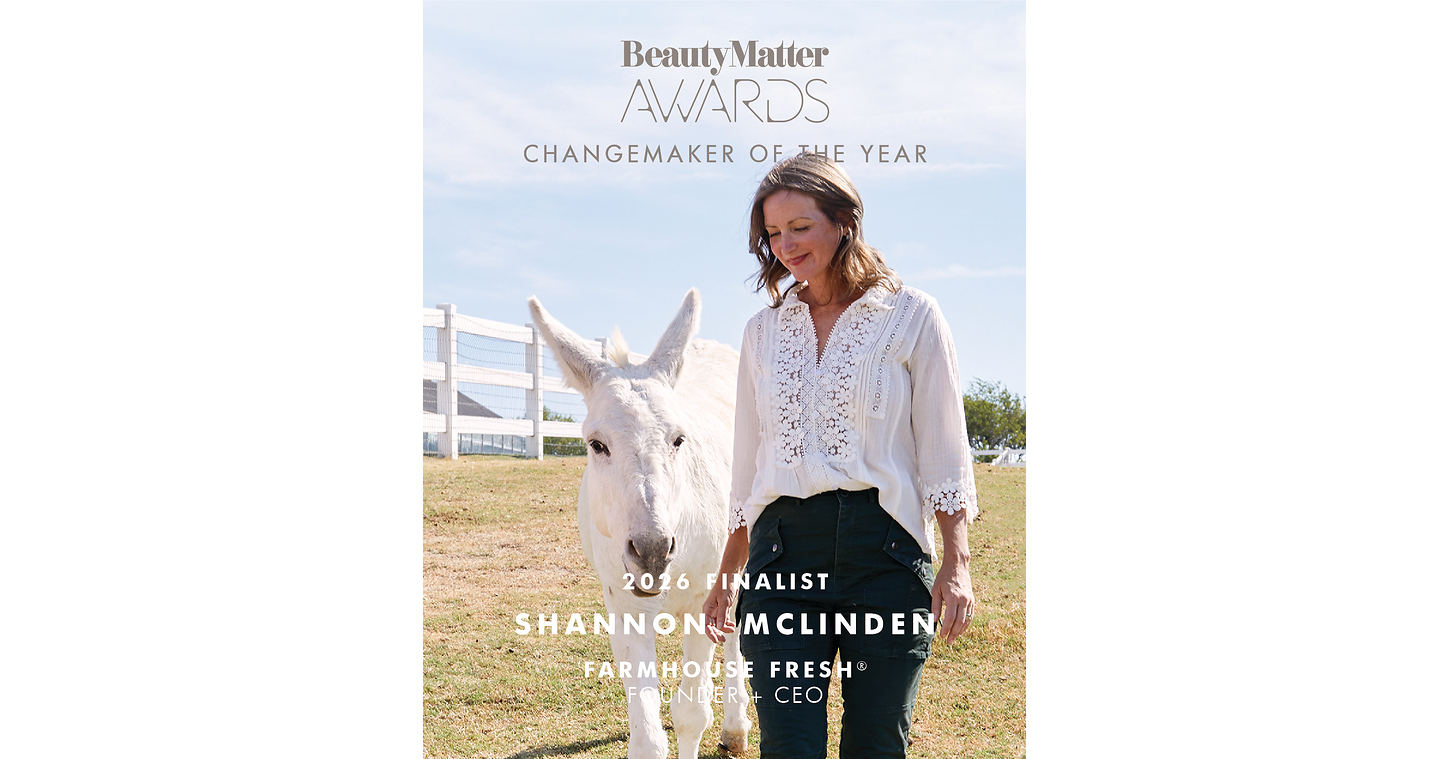
FarmHouse Fresh founder and CEO Shannon McLinden was named a 2026 BeautyMatter Changemaker of the Year finalist for animal-welfare advocacy tied to the bipartisan SAFE Act (H.R. 1661/S. 775). The company says it has mobilized more than 15,000 community members to contact lawmakers in support of permanently banning horse and donkey slaughter for human consumption and related exports. The recognition reinforces the skincare brand's philanthropy-led positioning but is unlikely to have material near-term market impact.
Analysis
No listed-company read-through is apparent: FarmHouse Fresh is private, the recognition is promotional, and the legislative outcome remains too uncertain to underwrite revenue or valuation changes in public beauty, hospitality, or animal-health equities. The near-term market implication is limited to reputational differentiation in niche prestige skincare, where cause-based messaging can improve customer retention but is unlikely to move category incumbents' earnings.
The more relevant second-order signal is that consumer brands are increasingly using advocacy as a low-capex acquisition and loyalty channel. If independently verifiable engagement converts into repeat purchases, this model marginally favors mission-led direct-to-consumer brands over mass beauty peers facing elevated paid-social customer-acquisition costs; however, no disclosed conversion, sales, or margin data support extrapolation. A federal restriction, if enacted, would principally reallocate costs among equine auction, transport, rescue, and veterinary networks rather than create a material public-equity earnings pool.
Over 1-3 months, monitor congressional committee action, co-sponsor additions, and any companion appropriations language rather than advocacy volume. The thesis that values-led brand positioning has commercial value is falsified if private-channel distribution growth, repeat-purchase indicators, or wholesale doors fail to improve despite elevated awareness; absent such evidence, this is not a tradable catalyst. Over 6-18 months, broader scrutiny of animal-welfare claims could increase substantiation requirements and create reputational downside for brands whose ESG messaging is not matched by audited practices.
AllMind Terminal
AI-powered research, real-time alerts, and portfolio analytics for institutional investors.
Request TrialMarket Sentiment
Overall Sentiment
mildly positive
Sentiment Score
0.25
Key Decisions for Investors
- No standalone position: the disclosed information lacks a liquid issuer, measurable earnings sensitivity, or a defined legislative timetable.
- Set a legislative alert for committee markup, floor scheduling, or appropriations attachment; reassess only if a public company with material equine transport, auction, veterinary, or rescue exposure discloses quantified impact.
- For consumer/beauty coverage, treat cause-marketing claims as a diligence item rather than an alpha signal: require evidence of repeat-rate improvement, CAC reduction, or wholesale sell-through before assigning a valuation premium.
More News
- Congress passes sweeping US sanctions bill targeting Russia
- 'Science fiction': Transport companies — the backbone of economy — are sounding alarm on fuel prices
- What to know about US Federal Reserve’s first interest rate hike in 3 years
- Analysis: How Trump could reignite the Fed independence fight after Warsh's rate hike
- House Passes Bill Allowing Trump Tariffs on Russian Oil Buyers
- Fed Rate Hike Looms as Retail Sales Surge