
YFORE presenta el sistema de detección en cabina ODMS para mejorar la seguridad en la cabina
Source: PR Newswire
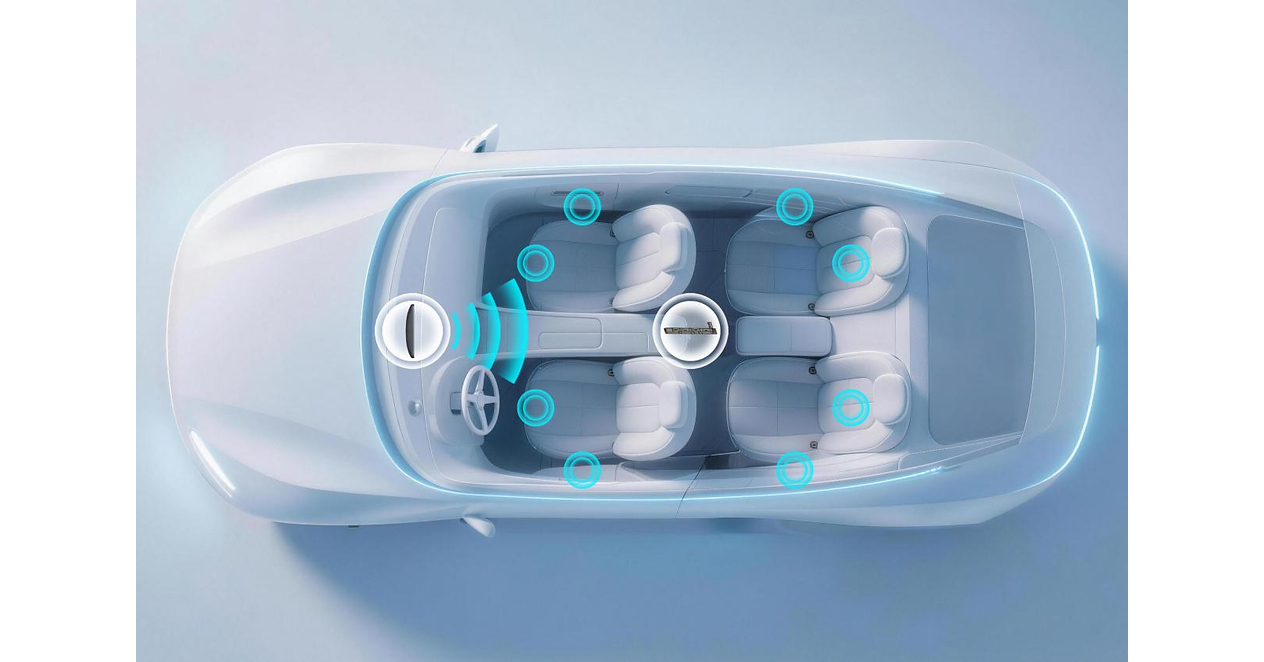
YFORE (Georgia, EE. UU.) presentó en Norteamérica su sistema ODMS de detección en cabina para cobertura total, integrando un espejo inteligente (cámara HD para fatiga/distracción/no respuesta del conductor), DMS/OMS y un radar automotriz de techo para microrespiración y el espacio para los pies. La fusión multimodal busca eliminar puntos ciegos y reducir recortes/cableado para facilitar la adaptación entre modelos, con el objetivo de ayudar a los fabricantes a alcanzar calificaciones de seguridad de cinco estrellas según Euro NCAP. La noticia es principalmente de producto/tecnología con impacto de mercado limitado.
Analysis
This is more of a positioning signal than a near-term earnings event. The strategic implication is that cabin sensing is moving from single-point camera software to integrated multimodal modules, which favors tier-1s that can bundle hardware, software, and localization into one procurement line. That usually compresses the addressable profit pool for pure-play camera-only DMS vendors while raising the bar for any supplier trying to win a platform design slot.
The likely winners over 6-18 months are integrated interior-electronics suppliers and radar/content providers that can attach to a smart-mirror or roof module architecture. The losers are component suppliers with narrow exposure to one modality, because OEMs will prefer fewer cutouts, fewer harnesses, and lower integration risk. In public equities, that leans constructive for names with broad cockpit content and systems integration; it is less helpful for smaller DMS software names if OEMs increasingly buy a pre-integrated stack.
The contrarian point is that this may look more disruptive than it is. Euro NCAP-driven adoption is real, but revenue recognition is gated by platform validation cycles, and OEMs will dual-source aggressively to avoid lock-in. The press-release nature of the announcement also means the market should demand proof of SOP wins, not just product claims. If no meaningful design-win disclosures appear within 1-2 quarters, the story likely fades into a sourcing trend rather than a valuation catalyst.
AllMind Terminal
AI-powered research, real-time alerts, and portfolio analytics for institutional investors.
Request TrialMarket Sentiment
Overall Sentiment
neutral
Sentiment Score
0.10
Key Decisions for Investors
- Watchlist, not trade: wait for actual SOP/design-win evidence before expressing a directional view on cabin sensing; the key falsifier is no OEM program wins disclosed within 1-2 quarters.
- Relative-value long GNTX vs short a pure-play DMS/software name such as SEE or SEYE if OEMs favor integrated mirror-plus-sensing architectures; thesis works over 3-6 months if interior content consolidates.
- Prefer broad cockpit-content suppliers over single-function sensor vendors on any pullback; use APTV as a cleaner way to express the 'more integration, fewer boxes' theme over 6-18 months.
- If SEYE/SEE sell off on dilution or weak guidance, consider tactical longs only on confirmation of Euro NCAP-related design wins; risk/reward improves if the market over-discounts long-cycle revenue conversion.
More News
- Blackstone President Jon Gray Bets Big on AI Boom
- Ukraine to resume strikes on Russian refineries, shattering hopes of an 'energy ceasefire'
- What's behind the sell-off in AI neocloud stocks like CoreWeave and Nebius
- SK Hynix plunges 8% amid Asia tech rout as Fed rate hike fears, AI funding worries mount
- TSMC Earnings Beat; Anthropic Says It's Now Profitable
- Giant Taiwanese chipmaker TSMC confirms it’s in talks with Elon Musk to join ‘Terafab’ complex in Texas: ‘The AI market continues to be very strong’