
India’s Inflation Raises a Red Flag for an October Rate Hike
Source: Bloomberg
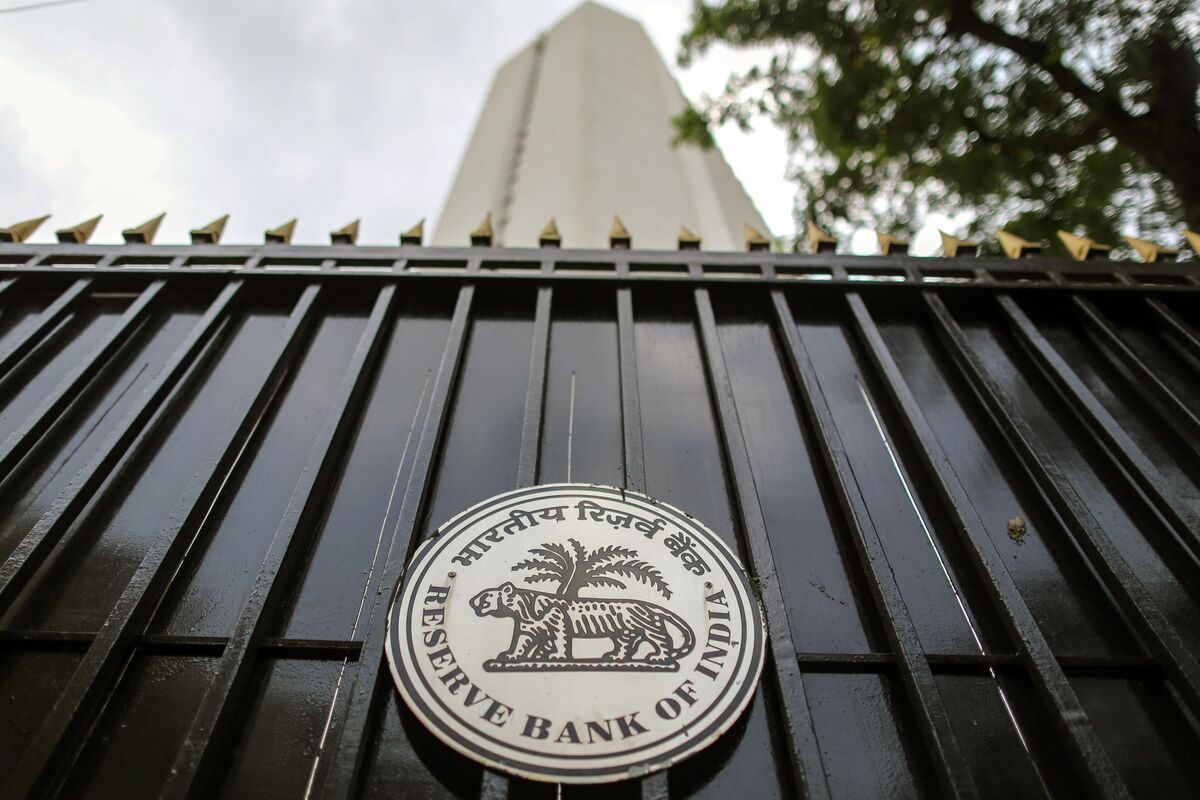
India's inflation has exceeded the central bank's 4% target for three consecutive months, raising the risk of an interest-rate hike in October. Persistent above-target price pressures could prompt a more hawkish Reserve Bank of India stance, affecting domestic borrowing costs, equities and bonds.
Analysis
The tradable transmission is not simply higher policy rates; it is the repricing of India’s unusually rate-sensitive domestic-demand complex. A renewed tightening bias would pressure long-duration financials and premium-consumption valuations first, while banks with high CASA funding and limited mark-to-market duration exposure should outperform NBFCs reliant on wholesale funding. The near-term vulnerability is in recently listed or IPO-bound consumer, fintech and real-estate names, where valuation support depends on falling discount rates and abundant retail liquidity.
Over the next 1-3 months, food-price normalization is the key fork. If core inflation remains contained and perishables reverse, the RBI can retain a hawkish hold without delivering a hike; that outcome would likely make an initial selloff in Indian equities a buying opportunity. Conversely, persistence into the next inflation print would lift the front end of the government-bond curve, tighten system liquidity and raise funding costs for housing finance, unsecured lenders and smaller banks before loan yields can fully reset.
The underappreciated second-order effect is on the IPO cycle: higher deposit and bond yields increase the opportunity cost of speculative primary-market allocations, while weaker secondary-market performance reduces issuer pricing power. This can be a 6-12 month headwind to exchange, brokerage and asset-management transaction activity, despite resilient structural household financialization. A durable inflation surprise also risks INR depreciation if real-rate credibility is questioned, raising imported-input costs for consumer electronics, chemicals and aviation.
Falsification is a meaningful decline in food inflation coupled with stable core CPI and RBI liquidity conditions that permit front-end yields to retrace. Watch the next CPI release, 1-year OIS, INR versus USD, and commentary on deposit-cost pressure from major private banks; a rapid easing in each would argue against positioning for a sustained tightening cycle.
AllMind Terminal
AI-powered research, real-time alerts, and portfolio analytics for institutional investors.
Request TrialMarket Sentiment
Overall Sentiment
mildly negative
Sentiment Score
-0.30
Key Decisions for Investors
- Maintain a tactical underweight in Indian rate-sensitive exposure for the next 4-8 weeks via INDA or EPI hedges; add only if the next CPI print and 1-year OIS both decline materially. Risk/reward is asymmetric because a single benign food print can reverse the immediate rate-hike premium.
- Within India financials, prefer high-CASA private banks such as HDB and IBN over wholesale-funded NBFC exposure; use a 3-6 month relative-value framework. Exit the preference if deposit-cost commentary stabilizes and loan-growth guidance is raised rather than cut.
- Avoid chasing India IPO and small-cap momentum until primary issuance is absorbed without secondary-market discounting. Set an alert for widening IPO listing discounts or declining retail subscription participation, which would confirm a liquidity-driven de-rating rather than an isolated inflation scare.
- For global portfolios with INR liabilities or India revenue exposure, consider a 1-3 month USD/INR upside hedge if front-end Indian yields rise while inflation expectations remain elevated; unwind if RBI communication restores real-rate credibility and INR holds despite higher US dollar conditions.
More News
- US 10-Year Yield Rises to Highest Since '07, Trump Says AI Fears a 'Hoax'
- Benchmark US government bond yield hits 19-year peak as oil prices surge
- What to expect from stocks and bonds if interest rates remain higher for longer, according to investing pros
- A sharp stock market decline could lie around the corner, Wells Fargo warns
- Bond Selloff Pressures Major Central Banks to Hike
- Treasury yields are hovering above a critical threshold. Here's what it means for stocks