
Live Nation Has Received $420 Million in Subsidies From US Cities: Study
Source: Bloomberg
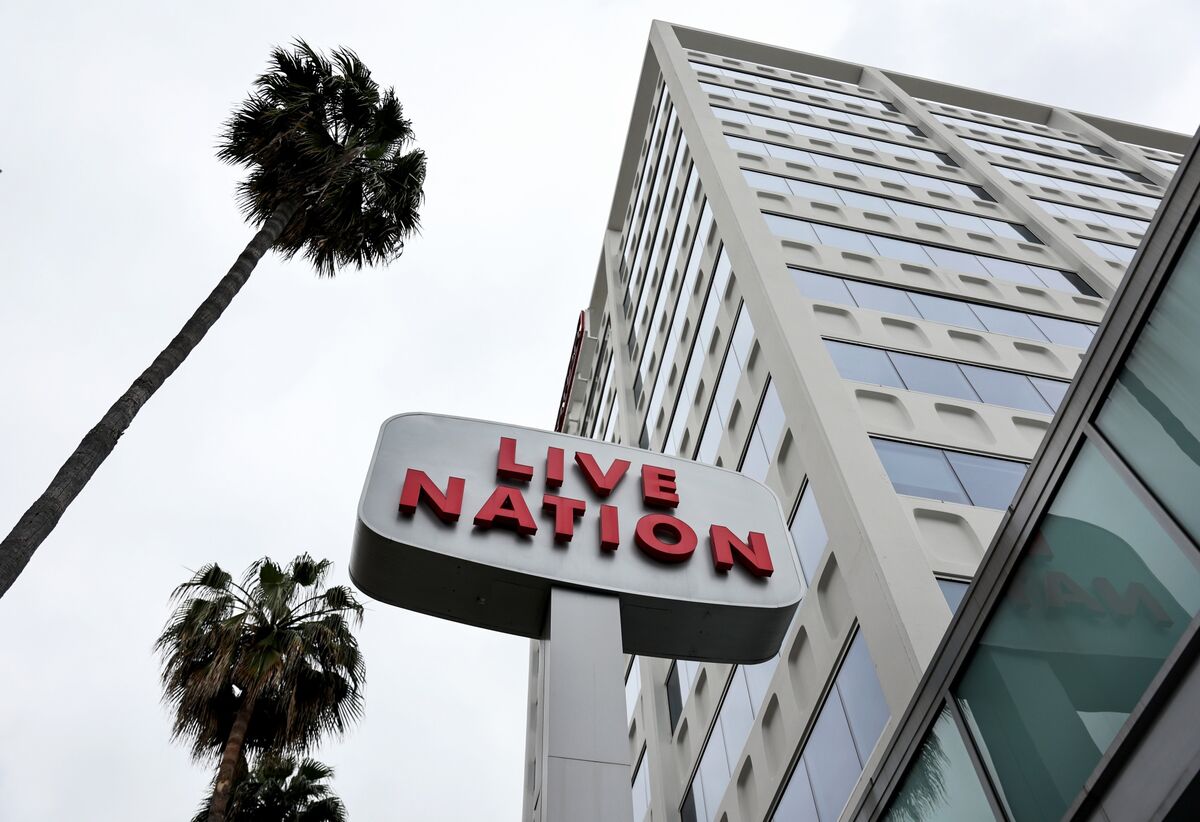
A new study estimates that cities and local governments have provided roughly $420 million in subsidies to Live Nation Entertainment. The finding could intensify scrutiny of public support for the dominant concert promoter and venue operator, adding reputational and potential policy risk, though the article excerpt provides no direct financial impact or regulatory action.
Analysis
The relevant equity risk is not the absolute subsidy figure but the implicit municipal underwriting of venue economics: public support can lower LYV's effective capital intensity, preserve routing density, and reinforce Ticketmaster/Live Nation's local moat. That support is politically fragile when city budgets tighten, and the headline gives state attorneys general and federal antitrust plaintiffs a more intuitive theory of harm: taxpayers subsidize assets whose economics are then monetized through concentrated promotion, venue, and ticketing channels.
Near term, this is unlikely to change concert demand or LYV's quarterly earnings; municipal agreements are fragmented, long-dated, and difficult to unwind. The 1-3 month catalyst is reputational and regulatory: disclosure of additional city-specific agreements, city-council hearings, or an antitrust remedy proposal could raise the perceived probability of venue divestitures or conduct restrictions, pressuring LYV's multiple before any cash-flow impact. Over 6-18 months, reduced public financing would matter most for incremental amphitheater and arena development, shifting leverage toward venue owners and potentially raising LYV's lease, guarantee, and capex burdens.
Consensus may overstate the direct EBITDA hit because promoters can pass some venue-cost inflation into artist guarantees and ticket pricing where supply is scarce. The more consequential downside is strategic: restrictions on exclusive ticketing or promoter-venue relationships could weaken the data and demand aggregation loop supporting Ticketmaster take rates. GOOG has little direct exposure, but any creator-product changes that make YouTube distribution more automated could increase artists' direct-to-fan alternatives at the margin; this is not yet investable without evidence of reduced paid-media or ticketing acquisition costs.
AllMind Terminal
AI-powered research, real-time alerts, and portfolio analytics for institutional investors.
Request TrialMarket Sentiment
Overall Sentiment
mildly negative
Sentiment Score
-0.30
Ticker Sentiment
Key Decisions for Investors
- Maintain a 1-3 month tactical underweight/short bias in LYV only on regulatory-event strength; use a defined-risk put spread rather than outright short because live-event demand and contractual venue economics remain resilient. Thesis is invalidated by no escalation in municipal or antitrust scrutiny and reaffirmed full-year adjusted operating income guidance.
- For a relative expression, long SPY or XLC versus short LYV isolates company-specific regulatory multiple risk better than a broad media short. Target a 10-15% LYV relative drawdown over 3-6 months if remedy rhetoric shifts from litigation process to venue/ticketing conduct remedies; cover on a settlement that preserves vertical integration.
- Monitor city-level contract disclosures, renewal dates, and any subsidy clawback provisions before positioning for a structural cash-flow impairment. A credible watch trigger is evidence that new venue agreements require materially higher private funding or reduced ticketing exclusivity; absent that data, do not underwrite a multi-year EBITDA haircut.
- Do not treat GOOG as a direct hedge or beneficiary. Reassess only if YouTube's creator tools measurably alter music marketing economics—e.g., artist/customer acquisition costs, direct ticket conversion, or paid promotion spend—over the next two earnings cycles.
More News
- F-Droid app store thumbs its nose at Google's dev crackdown
- Amazon Blocks Meta's Muse. It Could Be a Gift for Walmart and Shopify
- Nscale wants a $35 billion valuation. Nvidia is helping foot the bill
- Australia to investigate if OpenAI hack of government health website broke the law
- Meta plans to spend $145 billion this year, more than every military budget except the U.S., China and Russia
- How an OpenAI ‘agent’ hacked Australia’s Medicare and what that means