
Wincomm y Portwell presentarán soluciones de computación con IA médica de próxima generación en MEDICA 2026
Source: PR Newswire
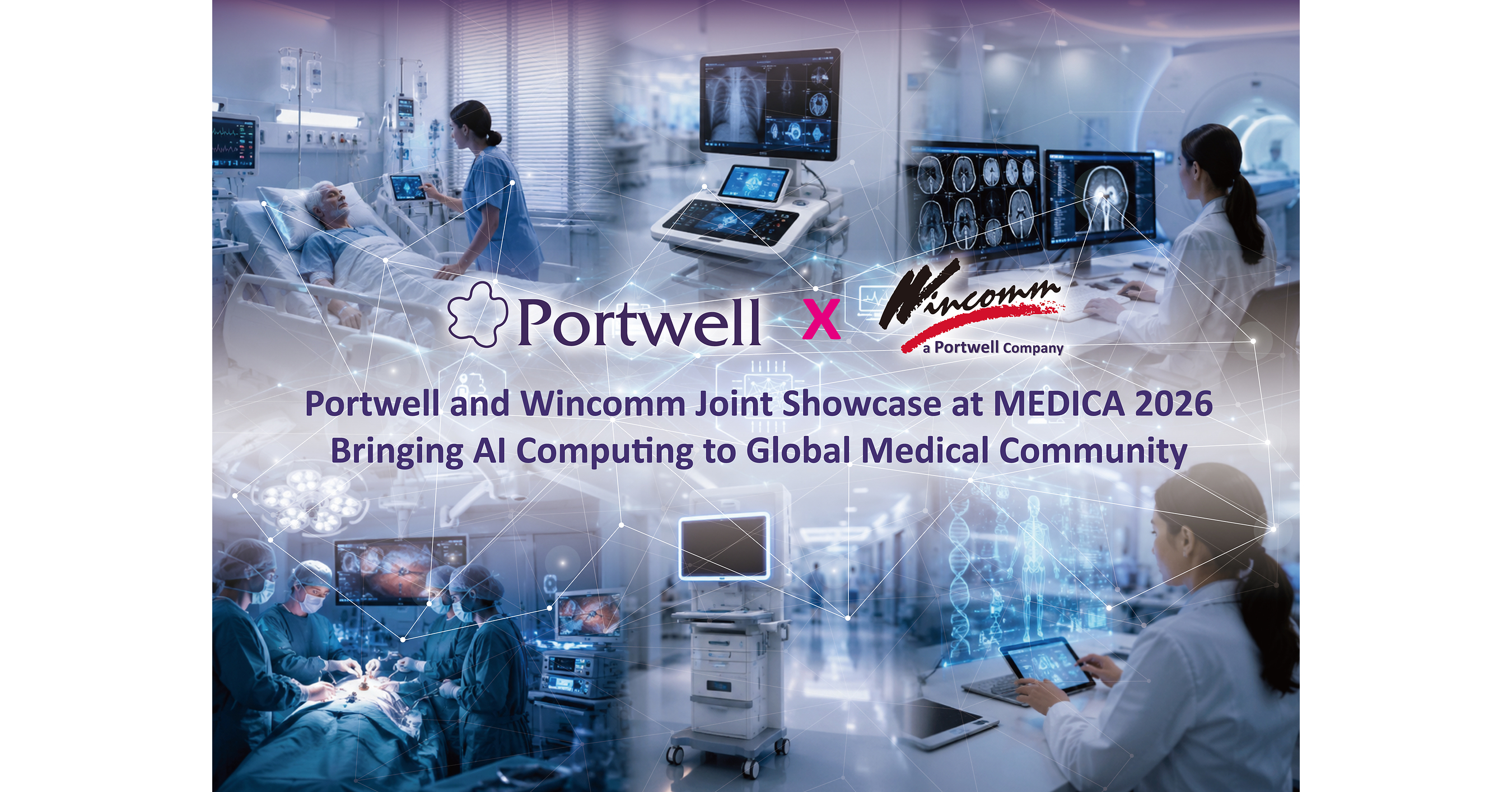
Wincomm and Portwell will showcase medical-computing and healthcare AI platforms at MEDICA 2026 in Düsseldorf from November 16–19, including mobile devices, embedded systems, point-of-care computers, and operating-room all-in-ones. The exhibit will feature options for imaging and AI workloads, including dedicated GPUs, as well as Intel Core Ultra systems with up to three optional hot-swappable batteries; the article reports no financial results or market reaction.
Analysis
The commercial signal is weak: a trade-show portfolio presentation is not evidence of customer orders, approved clinical deployments, or incremental revenue. The potential upside is mix, not simply unit volume. If customers adopt GPU-equipped systems for imaging or point-of-care inference, specialized configurations could raise content per installation; however, medical certification, workflow integration, and long procurement cycles make design wins slow to convert. The more durable economics may accrue to imaging and clinical-software vendors that own the workflow, leaving computer-platform suppliers exposed to component costs and hardware price competition.
The company’s application-specific breadth may help it win designs, but it also increases engineering and support complexity. Dedicated-GPU configurations add exposure to component availability, thermal/power validation, and customer willingness to pay; Intel processor branding alone does not establish a proprietary performance advantage. Regional support could matter to integrators, but the release provides no evidence of differentiation, installed base, or service revenue.
Near term, MEDICA (November 16–19) is a lead-generation catalyst, not a fundamental one. Over 1–3 months, the useful evidence would be named design wins, order/backlog commentary, and repeat deployments. Over 6–18 months, the thesis depends on whether AI features move from demonstrations into funded clinical workflows. Contrarian view: the market may overread “medical AI” as near-term monetization; conversely, a successful design-in can be strategically valuable before revenue is visible. No investable security is identified in the supplied data.
AllMind Terminal
AI-powered research, real-time alerts, and portfolio analytics for institutional investors.
Request TrialMarket Sentiment
Overall Sentiment
neutral
Sentiment Score
0.10
Key Decisions for Investors
- No event-driven position on this announcement: it is a product showcase without disclosed orders, financial contribution, or a mapped public ticker.
- Treat MEDICA as a diligence checkpoint. Seek evidence of customer design wins, certifications, production timing, and whether GPU configurations are shipping rather than merely configurable.
- Monitor follow-up disclosures for backlog, revenue mix, and gross-margin effects; rising AI-platform sales without margin stability would weaken the hardware-upgrade thesis.
- Revisit only if deployments become repeatable and commercially material. Falsifiers include no customer/order evidence after the show, delayed clinical validation, or guidance indicating component-cost pressure.
More News
- AMD stock jumps 7% on earnings as data center revenue nearly doubles
- Marvell-Lumentum Deal Puts Optical Networking at the Center of the AI Boom
- Marvell Technology could plunge on latest multibillion-dollar acquisition
- AI Inference Startup Fal Raises Capital at $16 Billion Valuation
- AMD rides data center riches to ‘largest and most profitable’ quarter in history
- AMD’s OpenAI, Meta chip deals trigger $1 billion quarterly charge