
CS Analytical and Lighthouse Instruments to Host Webinar on USP <382> Testing for Elastomeric Components and Systems
Source: PR Newswire
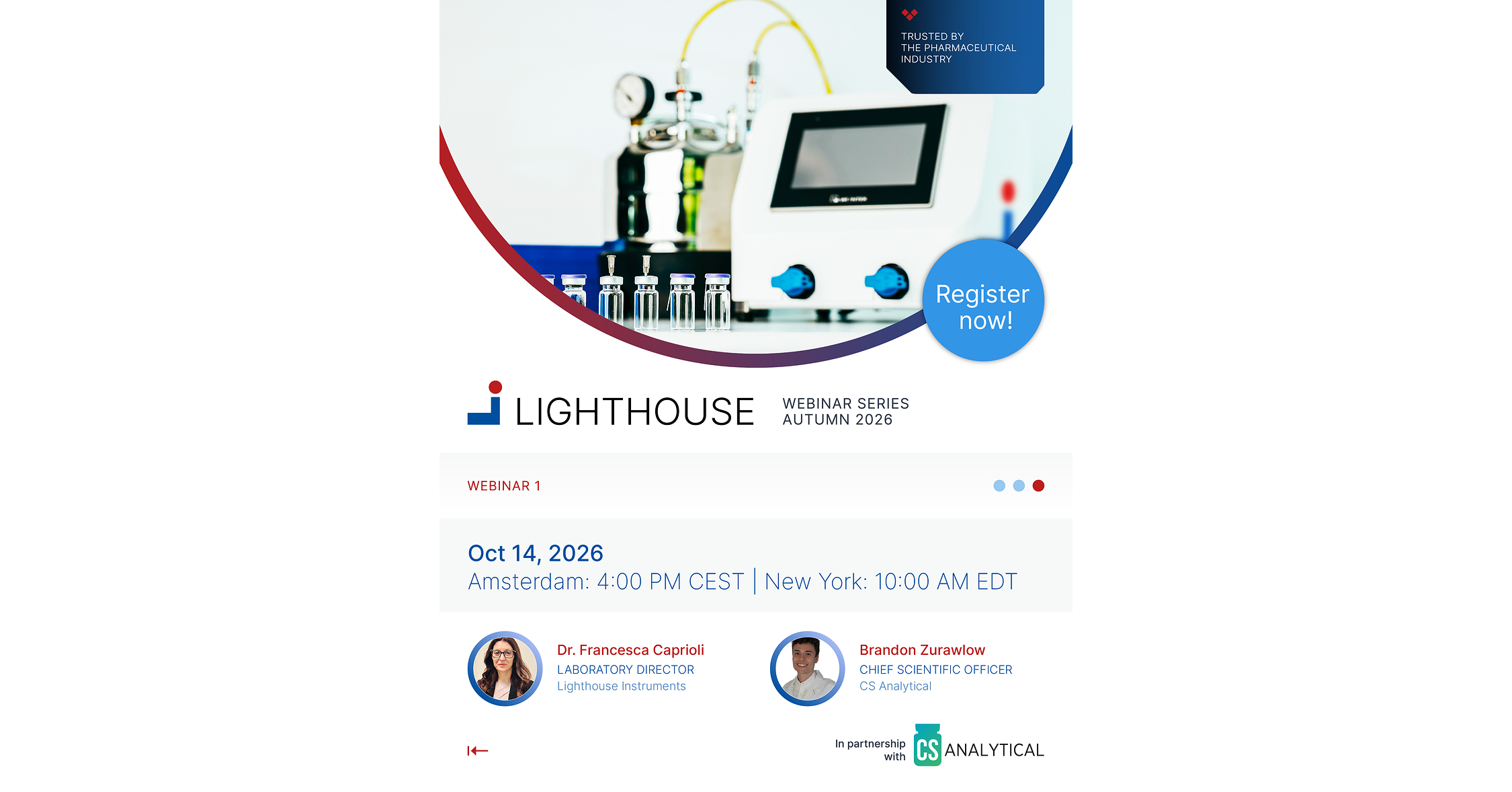
CS Analytical Laboratory and LIGHTHOUSE Instruments will host an October 14, 2026 webinar on compliance with USP <382>, which has required a systems-based assessment of elastomeric pharmaceutical packaging components since December 1, 2025. The session will cover container-closure-integrity methods referenced in USP <1207>, including laser-based headspace analysis and a carbon-dioxide tracer-gas method capable of detecting defects as small as 5 μm. The announcement is an educational and regulatory-compliance initiative rather than a material financial development.
Analysis
This is a compliance-workflow signal rather than an immediate revenue event. The economic burden falls first on drug sponsors with large injectable portfolios and frequent line changes, because system-level qualification can turn a previously commoditized stopper decision into a development, validation, and ongoing stability-program expense. WST, ATR, and STVN should have relative pricing and share advantages where customers prefer validated component-plus-device ecosystems, while smaller elastomer suppliers without application support risk longer sales cycles and qualification-related customer churn.
The more material second-order effect is on injectable-launch timing: a failed resealing or integrity study can delay tech transfer, commercial release, or a post-approval packaging change, raising the value of suppliers able to provide documentation, test methods, and lifecycle support. Over 6-18 months, this favors premium packaging content in prefilled syringes, cartridges, and multidose systems more than it benefits pure testing vendors, whose demand is likely project-based and difficult to underwrite from a webinar. The key falsifier is whether large pharma clients treat deterministic integrity testing as a one-time remediation exercise rather than embedding it into supplier qualification and change-control requirements.
Consensus may overstate the opportunity for testing-equipment providers: compliance does not automatically mandate a single instrument modality, and sponsors can outsource work or use alternative validated deterministic methods. Conversely, the market may underappreciate the bargaining-power shift toward component suppliers that can deliver pre-validated system data, particularly during biologics capacity expansion where packaging changes are operationally costly. Near-term share-price impact should be negligible; evidence should emerge through 1-3 month supplier commentary on qualification backlog, packaging-content uplift, and injectable-program conversion rates.
AllMind Terminal
AI-powered research, real-time alerts, and portfolio analytics for institutional investors.
Request TrialMarket Sentiment
Overall Sentiment
neutral
Sentiment Score
0.08
Key Decisions for Investors
- No standalone trade on this item: the disclosed signal is promotional and lacks contract, backlog, pricing, or installed-base data sufficient to underwrite revenue impact.
- Add WST to a 1-3 month earnings-call watch list; consider a long only if management identifies higher demand for validated elastomer/containment systems or sustained premium-mix expansion. Falsify if biologics and injectable packaging organic growth decelerates without offsetting price realization.
- Monitor ATR and STVN for evidence that regulated injectable-device customers are consolidating suppliers around qualification support; a potential pair is long WST / short a broad healthcare-equipment proxy only after verified order or margin divergence, not ahead of the webinar.
- For private-market or sector diligence, track outsourced testing turnaround times and pharma packaging change-control timelines over the next two quarters; rising lead times would support a broader premiumization thesis for injectable packaging suppliers rather than a direct public-equity testing-equipment trade.
More News
- Here’s the ‘core economic flaw’ in the AI bull case as stock and bond trades unravel, according to a top economist
- 5 big analyst AI moves: ’Uniquely catalyst-rich’ months ahead for SpaceX
- Xencor reports phase 1 data for cancer drug XmAb819
- The experience economy keeps defying expectations. Maybe we’ve been looking at it all wrong
- The U.S. military and NASA have power problems. Nuclear microreactors might solve both
- Biotech stocks are surging. How investors can play the new drug innovation boom
From AllMind Research
- Anthropic IPO Preview: Valuation, Timing, and What to Watch
- Shein After the IPO: Venue, Valuation, and What Must Be Proved
- What AI Research Tools Should a Small Hedge Fund Buy First?
- Selecting an AI Research Platform for Institutional Investors
- Weekly Update: New Reporting Features and More Sources for Document Search