
Money Market Sage Lou Crandall to Retire From Wrightson After 44-Year Career
Source: Bloomberg
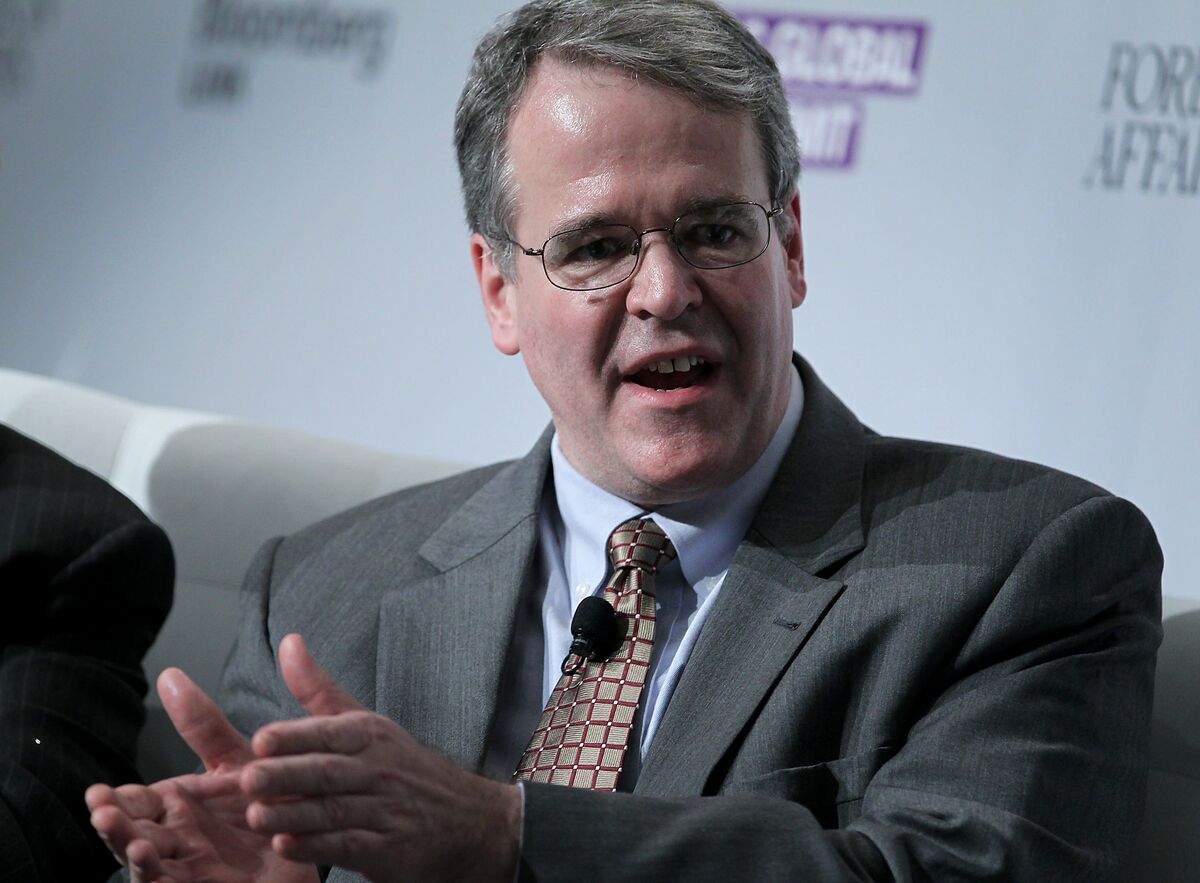
Money-market economist Lou Crandall is retiring after a career spanning nearly half a century. He built a specialty explaining the Treasury and Federal Reserve, topics increasingly important for understanding how fiscal policy, government borrowing and central-bank decisions affect markets.
Analysis
This is a low-signal personnel transition, not a change in Treasury supply, Fed reaction function, or policy. The plausible market effect is informational: a long-tenured specialist’s institutional memory can help interpret technical funding-market signals before they are widely understood. Its loss could modestly increase dispersion in near-term readings of bill supply, cash management, and reserve conditions—especially around Treasury announcements or Fed balance-sheet changes—but should not alter rates on its own. Any durable impact depends on whether the successor preserves the underlying data, access, and analytical cadence; the article provides no evidence on that transition. The contrarian point is that markets may either overstate the importance of a single analyst or underappreciate the value of a specialist information channel during unusual funding conditions. No issuer-level exposure or defensible directional trade is identified. Reassess only if coverage disruption coincides with a measurable deterioration in funding-market interpretation or liquidity.
AllMind Terminal
AI-powered research, real-time alerts, and portfolio analytics for institutional investors.
Request TrialMarket Sentiment
Overall Sentiment
neutral
Sentiment Score
0.00
Key Decisions for Investors
- No trade on the retirement headline alone; the direct price impact should be negligible absent evidence of a material research or data-service disruption.
- Over the next 1–3 months, monitor continuity of Treasury-market coverage and the quality of analysis around refunding announcements, bill issuance, and Fed reserve-management signals.
- Use Treasury bill/OIS pricing, repo-market conditions, and money-market fund flows as independent checks rather than relying on a single analyst’s interpretation.
- Treat a sustained breakdown in coverage during a funding-market stress episode as an alert, not a position trigger; the thesis is falsified if successor coverage remains continuous and market indicators remain orderly.
More News
- Speculation Over STT Cut Lifts Sentiment for Indian Stocks
- Producer prices in China rise at fastest pace since June 2022, beating expectations
- IMF says higher bond yields underscore urgency of fiscal consolidation
- Wells Fargo CFO on Earnings, Deals, Consumer Strength
- In charts: How one of the world's biggest economies got trapped by debt
- Singapore third-quarter GDP growth softens from four-year high but beats estimates