
RTX Corporation's Defense Orders Are Surging Again
Source: seekingalpha.com
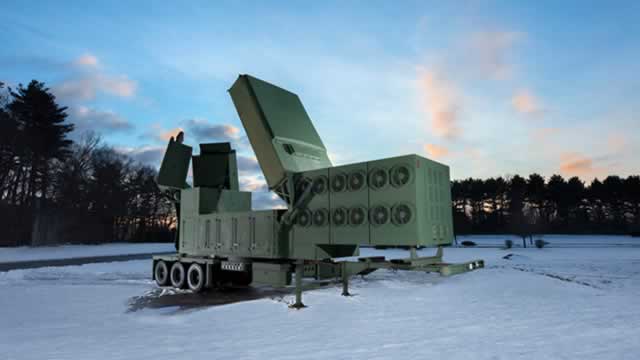
RTX secured twin missile contracts totaling $45B, highlighting sharply increased U.S. and allied missile procurement demand. Its defense backlog has risen 11.2% year-to-date to approximately $119B, exceeding last year's growth pace and supporting expectations for sustained double-digit backlog expansion. Geopolitical demand tailwinds position missile programs as a growing cornerstone of RTX's defense business.
Analysis
The investable issue is not headline contract value but conversion: missile awards often carry multiyear delivery schedules, milestone funding, and capacity constraints. RTX’s incremental earnings power will depend on whether the mix skews toward higher-margin interceptors, seekers, and sustainment rather than pass-through production work; quarterly defense margin and funded-bookings disclosure matter more than aggregate backlog. A durable production ramp should also tighten solid-rocket-motor, energetics, and electronics capacity, supporting LHX and potentially private suppliers while raising execution risk for primes dependent on constrained components.
RTX has a differentiated setup versus LMT and NOC because defense upside can partially offset commercial-aerospace cash-flow drag, but that also means the market may resist assigning a pure-play missile multiple until GTF remediation costs and free-cash-flow conversion stabilize. The near-term catalyst path is 1-3 months: budget appropriations, supplemental funding, and evidence that contract ceilings translate into funded orders. Over 6-18 months, recurring replenishment demand from allied inventories could support a higher defense earnings base, but delayed appropriations, negotiated price caps, or failure to expand supplier capacity would turn backlog growth into working-capital pressure rather than margin expansion.
Contrarian view: the likely consensus error is extrapolating nominal award values directly into revenue and EPS. The bullish thesis is underdone only if RTX can demonstrate accelerated production without a deterioration in defense margins; otherwise, the better expression may be suppliers with less fixed-price program exposure. A sharp de-escalation is not the primary risk—procurement inertia is high—but budget sequestration, continuing resolutions, or a defense-margin miss would compress the premium quickly.
AllMind Terminal
AI-powered research, real-time alerts, and portfolio analytics for institutional investors.
Request TrialMarket Sentiment
Overall Sentiment
strongly positive
Sentiment Score
0.72
Ticker Sentiment
Key Decisions for Investors
- Initiate a 1-3 month starter long in RTX only after confirming funded backlog/book-to-bill and defense-margin guidance on the next earnings release; target 8-12% upside on raised production or cash-flow expectations versus 5-7% downside if margin conversion disappoints.
- Use a relative-value pair: long RTX / short LMT over 3-6 months in equal beta-adjusted dollars if RTX demonstrates funded-order conversion. The thesis is RTX-specific missile mix and production leverage; exit if RTX defense margins decline year-over-year or LMT captures comparable interceptor awards.
- Add LHX to the watchlist as a second-order capacity beneficiary rather than chasing RTX solely on award headlines. Trigger a long only on corroborating propulsion/energetics order commentary or raised guidance; the key risk is that missile-prime capacity expansion is delayed or internally sourced.
- Set an event-risk alert around US appropriations and supplemental-defense legislation. If funding is deferred into a continuing-resolution period, reduce RTX exposure: backlog can remain optically strong while revenue recognition and cash conversion slip for multiple quarters.
More News
- Dow Lags as Wall Street Turns the Page on Mixed Q3
- Trump says Iran war could end after U.S. elections as Hormuz tensions persist
- G7 Leaders’ Statement on global energy security and market stability
- Trump vs Europe as US presses for release of emergency diesel stocks
- Anthropic warns government attitudes may hurt customer ties, IPO prospectus shows: Reuters
- EU Faces Trump Pressure to Release Fuel Reserves as Diesel Price Rises