
Disrupting College Sports: Michael Schreiber Says Athletic Departments Need a Business Model
Source: PR Newswire
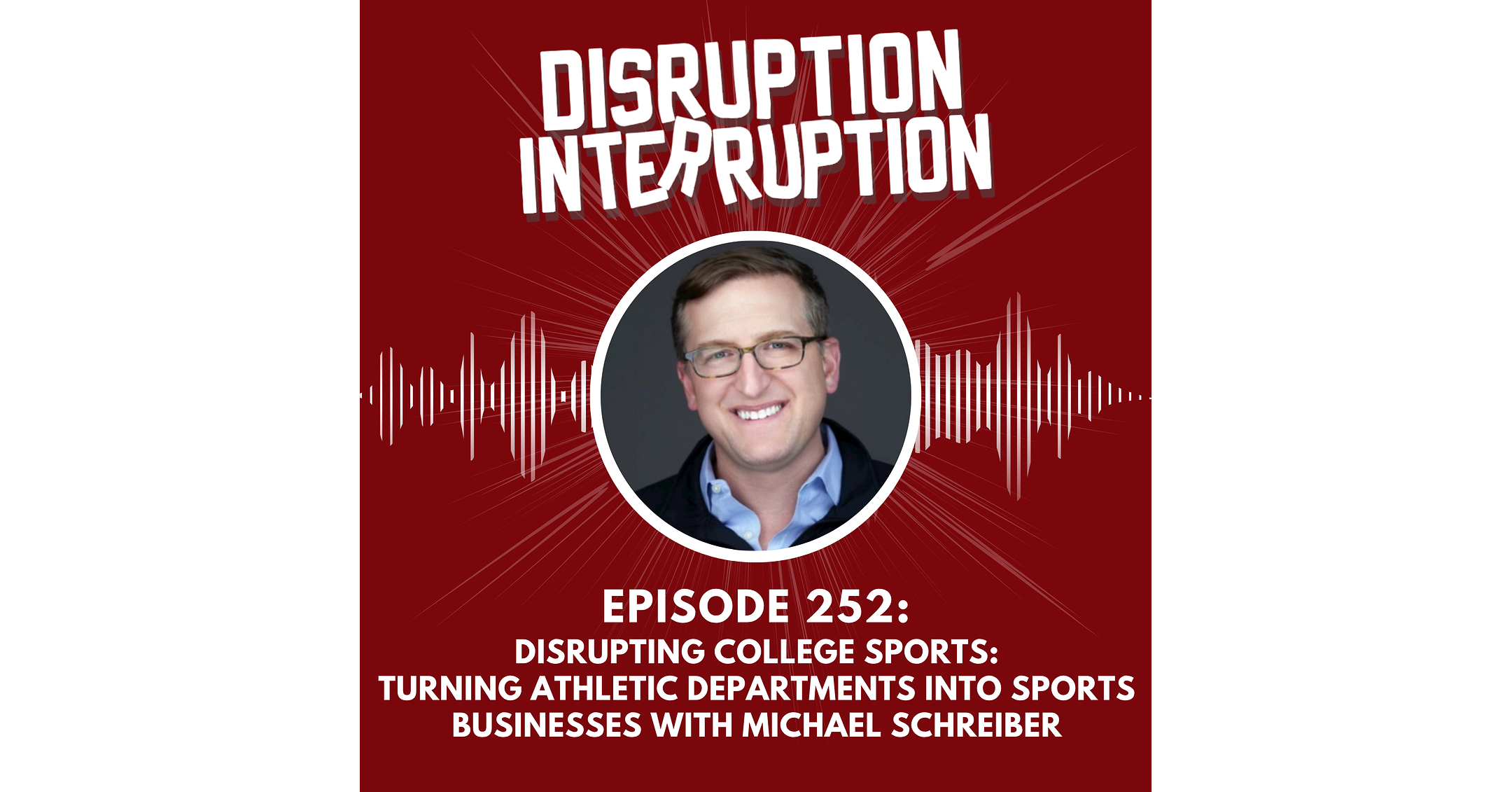
The Senate passed the Protect College Sports Act 77-22 on September 28; the bill would establish national rules for athlete compensation, transfers and other aspects of college athletics and now goes to the House. NCAA data show Division I departments reported nearly $20.5 billion in revenue and more than $20.8 billion in expenses in 2024. Playfly Sports founder Michael Schreiber says NIL changes, athlete mobility and facility costs are raising capital needs, while college sponsorship revenue at a large program may be about $15 million annually versus roughly $70 million for an average NFL team.
Analysis
The investable signal is not “college sports is big”; it is whether schools can convert audience into durable, contractually controlled cash flow. The cited sponsorship comparison is not apples-to-apples: a large college program versus an average NFL team leaves audience, inventory, rights ownership and deal scope unnormalized. Treat it as a commercialization thesis, not evidence of a near-term revenue uplift.
The key constraint is competing claims on incremental dollars. NIL/athlete costs and facilities spending may absorb new sponsorship and ticketing revenue before it improves university cash generation. NCAA-wide revenue and expense totals also conceal large differences among conferences and schools; avoid extrapolating to every program. Commercial operators such as Playfly Sports and Learfield could benefit if schools outsource sales and monetization, but contract wins, renewal economics and university control over inventory matter more than the sector narrative. Media-rights holders could face stronger competition for premium inventory—or benefit from better packaging—depending on who controls the rights.
The Senate vote is not enactment. House action and final statutory details are the near-term catalysts; rules that constrain compensation or transfers could reduce some competitive volatility, but also alter the value of collectives and recruiting advantages. Over 6–18 months, the structural test is reported incremental commercial revenue net of athlete-related costs and capital spending. No clean public-equity expression is established from this article alone, and its promotional source warrants skepticism.
AllMind Terminal
AI-powered research, real-time alerts, and portfolio analytics for institutional investors.
Request TrialMarket Sentiment
Overall Sentiment
neutral
Sentiment Score
0.10
Key Decisions for Investors
- No directional trade on this item alone. Keep Playfly Sports and Learfield on a private-market watchlist; seek disclosed contract wins, renewal rates, rights ownership and revenue share before underwriting growth.
- Track House progress and final bill text as a 1–3 month catalyst. If legislation stalls or materially changes, reassess any thesis that assumes a more predictable athlete-compensation and transfer regime.
- For public media exposure, monitor rights renewals and advertising monetization at major sports broadcasters, including FOX and Comcast, rather than buying a broad sports-growth narrative; better college inventory monetization could either expand supply or strengthen packaging leverage, with uncertain net impact.
- Falsify the commercialization thesis if schools’ disclosed sponsorship/ticketing gains fail to outpace athlete-related costs and facilities investment, or if operators cannot show durable renewals. Verify school-level financials and contract terms; aggregate NCAA figures are insufficient.
More News
- US tech stocks tumble as investors fret over AI spending
- Asian shares wobble as tech rout boosts bonds, dents rate hike bets
- Nasdaq 100 Drops as Oil Rise Fuels Risk-Off Mood
- U.S. plans curbs on Chinese tech investment- these sectors are vulnerable
- SK Hynix shares slide after chipmaker scraps Solidigm IPO plans
- Moderna shares plunge after leak of partial cancer vaccine data