
Cancer treatment is brutal on the skin. So why isn't skincare part of the treatment?
Source: PR Newswire
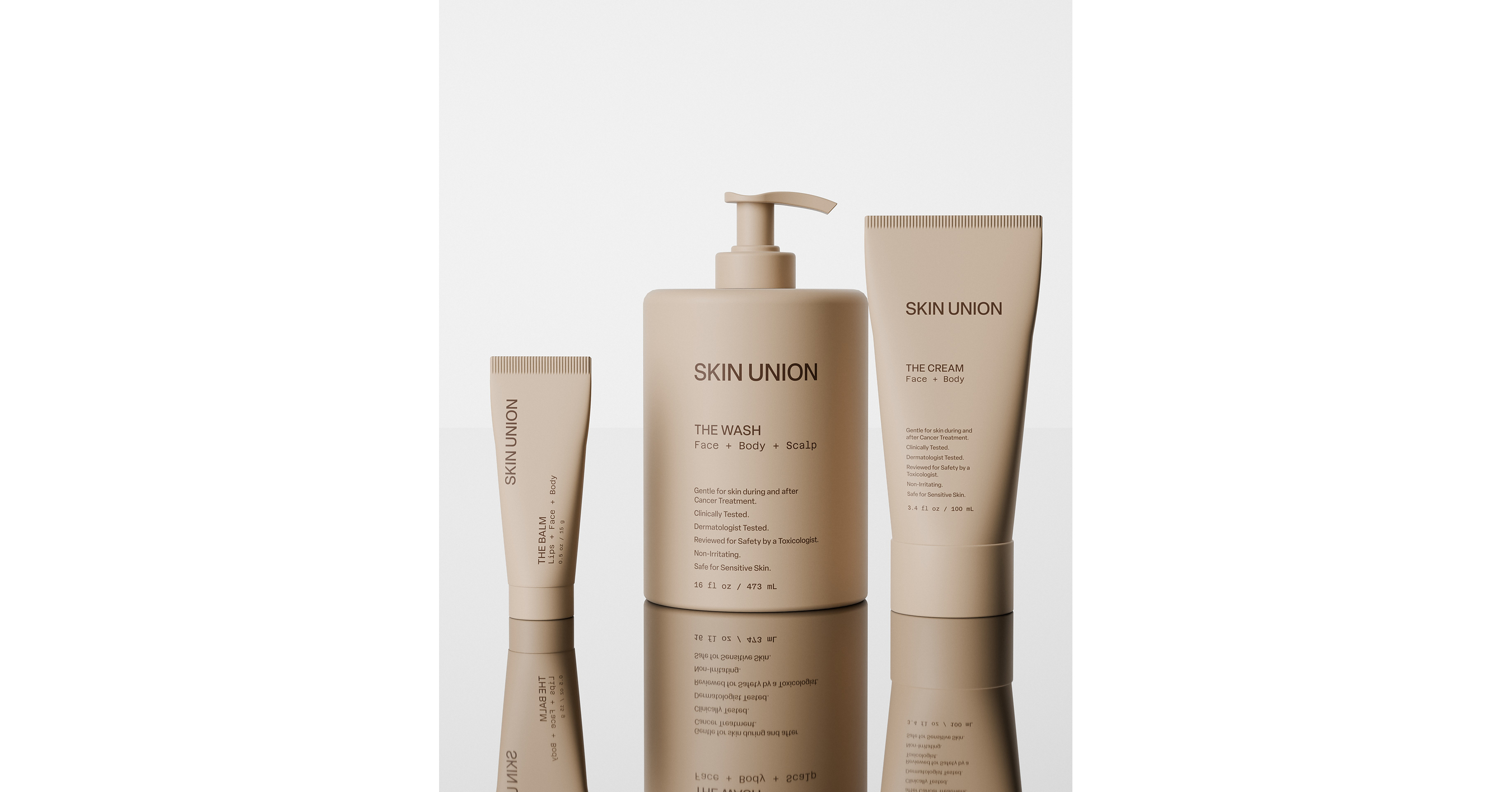
SKIN UNION will launch in October 2026 with a three-product skincare system designed for cancer-treatment-compromised skin: The Wash ($15 for 3.4 fl oz; $23 for 16 fl oz), The Cream ($23), and The Balm ($13). The products were clinically tested with oncologist and dermatologist input and are being evaluated in a 28-day home-use study among chemotherapy and radiation patients, measuring hydration, transepidermal water loss, tolerability, and efficacy. The launch targets an underserved supportive-care niche but provides no financial projections, distribution metrics, or clinical-study results.
Analysis
This is not yet investable public-market news: the launch is a private, early-stage consumer-health brand with no disclosed distribution, reimbursement pathway, manufacturing partner, clinical endpoints, or sales targets. The key commercial question is whether it can move from direct-to-consumer skincare into oncology-clinic protocols; without clinician adoption or payer support, the addressable market is limited by patient discovery and discretionary spend rather than cancer-treatment volumes.
If the category gains clinical credibility over the next 6-18 months, the more material implication is competitive rather than revenue-accretive for incumbents. CeraVe/L'Oréal (OR.PA), Eucerin/Beiersdorf (BEI.DE), and Kenvue (KVUE) have scale, pharmacy distribution, and dermatologist relationships to replicate the proposition quickly; differentiated packaging and a narrow regimen are weak moats absent peer-reviewed data. Conversely, oncology-support platforms and specialty pharmacies could use a standardized regimen to improve adherence and patient experience, creating a potential distribution channel that lowers customer-acquisition costs.
The 28-day home-use study should be treated as marketing validation, not evidence of medical efficacy or a reimbursement catalyst. A positive study may support conversion and clinic outreach within 1-3 months of release, but it will not establish superiority against inexpensive bland emollients. The contrarian view is that specialty positioning can sustain premium pricing only if radiation-oncology and infusion-center workflows actively recommend it; otherwise consumers are likely to substitute into established mass skincare brands, pressuring repeat purchase and gross margin through promotion.
AllMind Terminal
AI-powered research, real-time alerts, and portfolio analytics for institutional investors.
Request TrialMarket Sentiment
Overall Sentiment
mildly positive
Sentiment Score
0.32
Key Decisions for Investors
- No immediate position: the disclosed information has no direct public-equity revenue sensitivity and is insufficient to underwrite a trade.
- Monitor OR.PA, BEI.DE, and KVUE for evidence that oncology-support skincare is becoming a defined retail subcategory: clinic partnerships, specialty-pharmacy listings, or reimbursement pilots would favor scaled incumbents over standalone entrants on a 6-18 month horizon.
- Set an alert for independently published clinical results versus standard emollient care, not only patient-reported home-use outcomes. Demonstrated reductions in treatment interruption, dermatologic visits, or prescription rescue therapies would be the threshold for reassessing category value.
- For consumer-health exposure, avoid extrapolating this launch into a broad premium-skincare demand signal; falsify the substitution thesis if the brand discloses meaningful repeat rates, oncology-network adoption, and sustained full-price sell-through after its first two quarters.
More News
- Nike Warns Sales Slump Will Worsen This Fiscal Year
- One of our most recent defensive buys cleared a hurdle and its stock jumped
- Google unveils latest AI model, but Wall Street wants a breakout personal agent
- Most Americans say US-Israel war on Iran not worth fighting: Poll
- Wilbur Ross was Trump’s first-term tariff hawk. Now he says refunds give importers ‘an extra profit’ and pay them ‘more than the money’ they laid out
- Cullinan initiates FDA filing for lung cancer drug zipalertinib