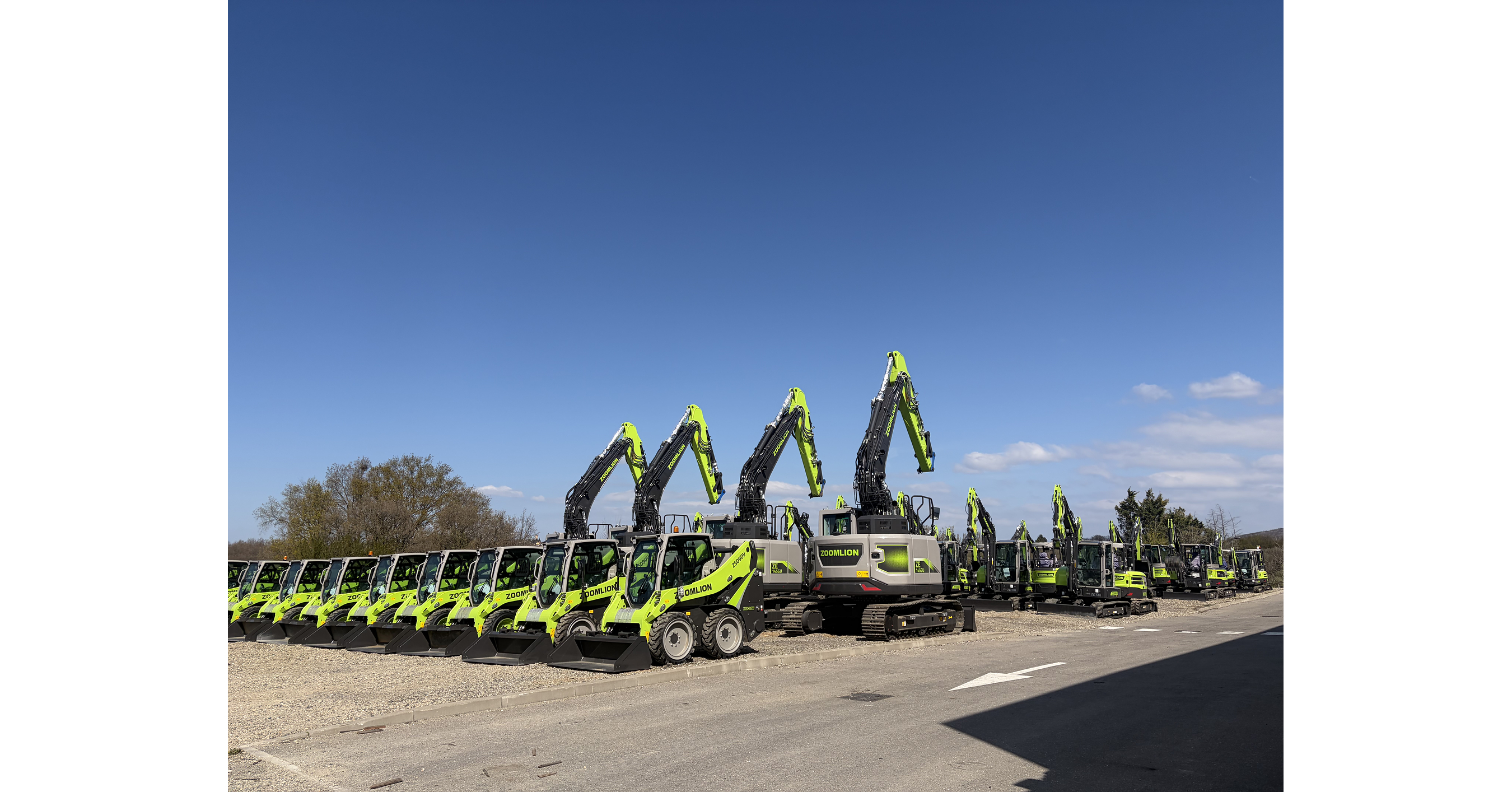
Zoomlion annonce l’extension de son réseau de service client en Europe: désormais plus de 30 villes dans plus de 20 pays, avec près de 10 centres/sites de formation. Le dispositif inclut une assistance technique et une intervention sur site en 4 heures pour six familles de produits, ainsi qu’un centre international de formation dédié aux engins de béton ouvert en Pologne. L’entreprise prévoit aussi d’augmenter les stocks de pièces, d’améliorer les diagnostics à distance et d’étendre le modèle de service “4 heures” au-delà des pôles urbains principaux.
The strategic signal is not the service announcement itself; it is that Zoomlion is trying to convert a low-trust import model into a recurring-revenue relationship model. In European construction equipment, uptime, parts availability, and technician response times matter almost as much as sticker price, so this can improve win rates in concrete, cranes, and aerial platforms where downtime is brutally visible. The second-order benefit is a stronger installed-base flywheel: better service raises residual values, which lowers total cost of ownership and makes financing/leasing partners more comfortable underwriting the brand.
Competitively, this is most threatening to second-tier OEMs and independent dealers that lack dense local parts networks. If Zoomlion can internalize more maintenance and parts capture, it can improve gross margin mix over time, but only if utilization is high; otherwise the service buildout becomes a margin drag with working-capital intensity from spare parts stock and engineering headcount. The near-term market impact should be modest, but the 1-3 quarter catalyst path is European order conversion and service revenue mix, not the press release itself.
The contrarian view is that investors may be underestimating how hard Europe is on Chinese industrial brands: procurement bias, certification friction, and sanctions/tariff risk can blunt share gains even with better service. The thesis breaks if Europe backlog or aftermarket attach rates do not inflect over the next two earnings cycles, or if warranty/service costs rise faster than revenue. Over 6-18 months, the real question is whether this becomes a durable moat or just a costly support function.
AI-powered research, real-time alerts, and portfolio analytics for institutional investors.
Request TrialOverall Sentiment
mildly positive
Sentiment Score
0.15
Ticker Sentiment
