
OneOdio conclude con successo la sua presentazione all'IFA 2026 di Berlino.
Source: PR Newswire
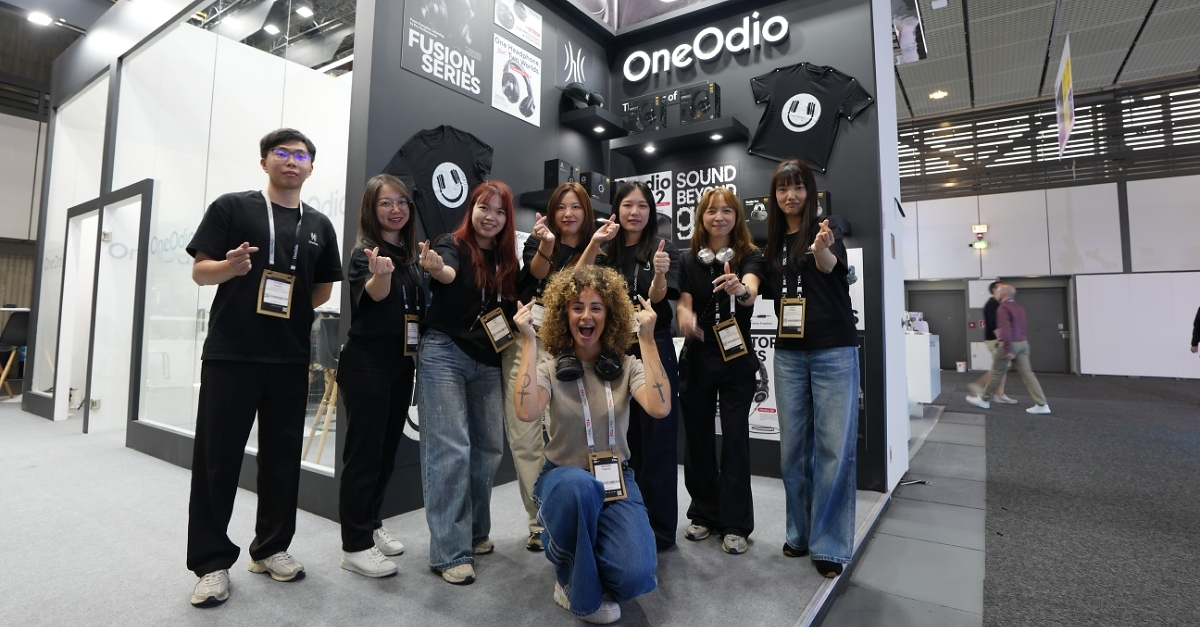
OneOdio showcased its Studio Max 2 and A70 Gen 2 headphones at IFA 2026 in Berlin, emphasizing professional-grade wireless audio and broader everyday-use versatility. Studio Max 2 offers 9ms ultra-low latency through third-generation Rapid Wireless+ technology and up to 120 hours of battery life, while A70 Gen 2 supports LDAC high-resolution audio and up to 72 hours of wireless playback. The event highlighted OneOdio's push to serve DJs, creators and consumers as professional audio features converge with portable wireless listening.
Analysis
This is not a tradable public-equity catalyst: OneOdio is privately held, the release provides no pricing, channel orders, unit shipment targets, or evidence that IFA engagement converts into sell-through. The relevant read-through is that low-latency wireless capability is becoming table stakes in the sub-$150 creator/DJ headphone segment, raising feature expectations without necessarily expanding industry profit pools.
The likely pressure point is incumbent mid-market audio brands that lack scale in Bluetooth silicon procurement, direct-to-consumer distribution, or rapid product refresh cycles. HARMAN/Samsung (005930 KS) and Sony (6758 JP) have brand and channel advantages, but their premium positioning is unlikely to be materially affected; more exposed are private-label and smaller accessory vendors competing on specifications. Qualcomm (QCOM) and Bluetooth/audio-component suppliers could benefit only if this feature migration drives a broader upgrade cycle, but one vendor launch is insufficient evidence.
Near term, monitor Amazon and European retail rankings, promotional pricing, return rates, and creator-channel reviews over the next 4-12 weeks. A sustained discount-led push would signal category commoditization and margin risk rather than incremental demand. Over 6-18 months, the structural question is whether low-latency wireless displaces wired monitoring in entry-level creation; that would favor ecosystem vendors with codec, chipset, and software integration rather than headphone assemblers.
Contrarian view: headline battery-life and latency specifications are marketing inputs, not proof of audio quality or adoption. If independent testing finds latency, RF reliability, or codec compatibility materially below claims, the launch instead reinforces the durability of established professional brands and reduces concern over a price-led disruption.
AllMind Terminal
AI-powered research, real-time alerts, and portfolio analytics for institutional investors.
Request TrialMarket Sentiment
Overall Sentiment
mildly positive
Sentiment Score
0.30
Key Decisions for Investors
- No standalone position on this release; treat as an industry watch item until third-party reviews and channel sell-through data are available.
- Maintain any QCOM exposure only as a 6-18 month ecosystem thesis, not a OneOdio read-through; add evidence threshold is multiple consumer-audio launches adopting premium low-latency Bluetooth features alongside improving handset/accessory attach rates.
- For Sony (6758 JP) and Samsung Electronics (005930 KS), do not revise estimates on this event. Watch holiday-season headphone ASPs and promotional intensity: broad mid-tier price cuts would be a negative margin signal, while stable ASPs would falsify the commoditization concern.
- Set a 1-3 month alert for independent latency and reliability testing plus Amazon EU ranking persistence. Strong rankings without deep discounts would indicate genuine product-market fit; ranking gains driven by promotions would not justify a sector rerating.
More News
- U.S. diesel prices are now 60% higher than they were before the Iran war, with one Trump voter paying twice as much to fuel his farm equipment
- SpaceX weighting in Nasdaq 100 set to more than double
- Stocks stumble on inflation fears, but 2 of our names give us reasons to stay bullish
- Inflation is outpacing wage growth again, squeezing Americans’ paychecks
- Dell Booked More AI Server Orders in 3 Months Than It Recorded in Total Revenue
- Hyundai Motor to roll out in-house driver-assist system in 2029