
Cómo logró Trump tomar el control del petróleo de Venezuela
Source: Bloomberg
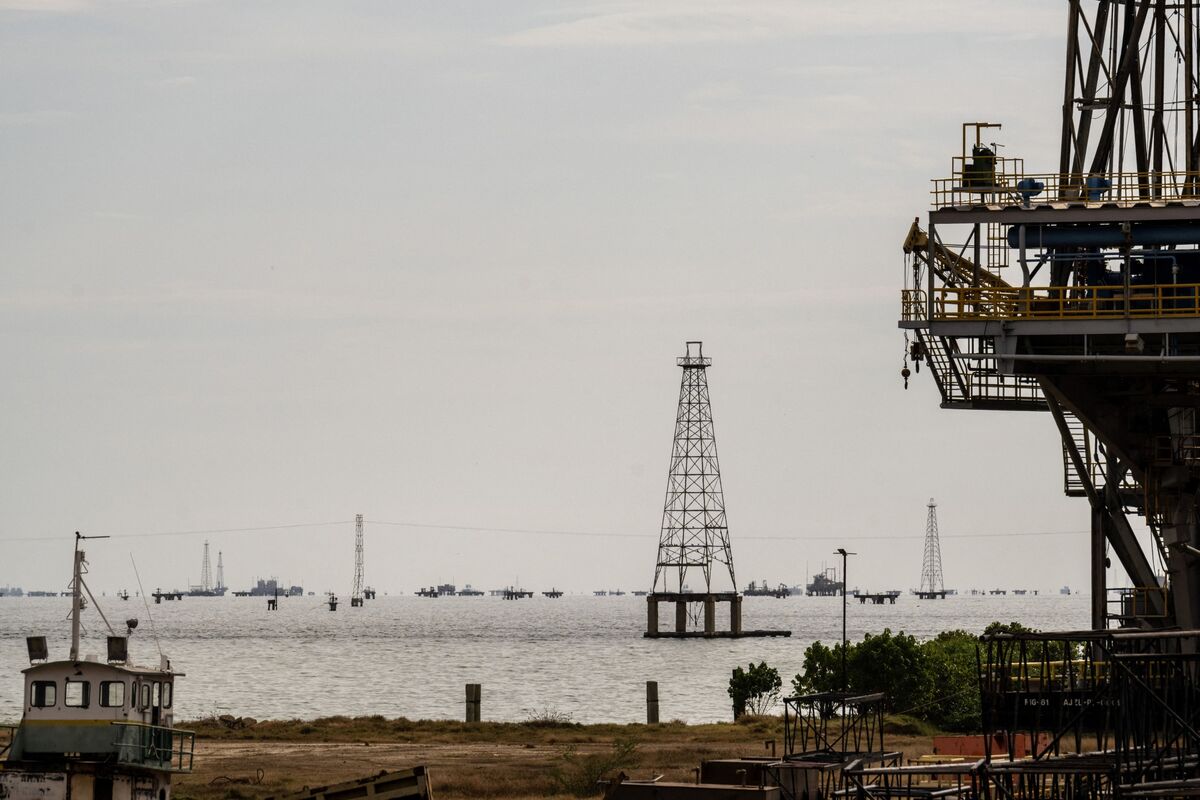
El artículo explica cómo la administración de Donald Trump, tras la captura de Nicolás Maduro el 3 de enero, vinculó la operación tanto al acceso al petróleo venezolano como a cargos por narcoterrorismo y drogas. Aunque Venezuela ya no es la potencia petrolera de antaño, el control del flujo energético y la presión legal/sancionatoria elevan el riesgo de disrupciones en el suministro y, por tanto, podrían impactar el mercado del crudo.
Analysis
The market should treat this less as a Venezuela story and more as a shift in the probability-weighted oil balance: a credible path to reintroducing even a modest amount of heavy-sour barrels can compress the geopolitical risk premium before any meaningful volume actually arrives. That matters most for the Gulf Coast complex, where incremental discounted feedstock can lift downstream margins even if flat-price crude only fades modestly.
The immediate losers are the broad energy-beta names and anything levered to higher Brent/WTI assumptions. The second-order winner set is narrower and more interesting: refiners with coking complexity and import flexibility (VLO, MPC, PBF) can benefit if heavy crude differentials soften, while integrateds (XOM, CVX) are more neutral because upstream weakness offsets downstream relief. Canadian heavy producers and other heavy-sour suppliers are the hidden losers if Venezuela competes back into the same barrel pool.
The contrarian risk is that the consensus may overstate near-term supply: Venezuela’s constraint is execution, not geology, and sanctions relief alone does not fix diluent, power, service, or governance bottlenecks. If this is just coercive leverage, the headline can be bullish for oil if it tightens sanctions rather than loosens them. Time horizon matters: days for oil-beta de-rating, 1-3 months for sanctions/OFAC headlines and export data, 6-18 months for any structural re-rating of Venezuelan supply optionality.
AllMind Terminal
AI-powered research, real-time alerts, and portfolio analytics for institutional investors.
Request TrialMarket Sentiment
Overall Sentiment
mildly negative
Sentiment Score
-0.25
Key Decisions for Investors
- Long VLO/MPC vs short XLE for 1-3 months: express the view that downstream heavy-crude input costs fall faster than product prices, with better risk/reward than outright shorting crude.
- Buy short-dated puts or put spreads on USO/BNO into any rally attempt in the next 1-2 weeks; thesis is a quick removal of geopolitical premium rather than immediate volume replacement.
- Set an alert on Brent and Gulf Coast heavy-sour differentials: if Brent retraces the news move within 3-5 sessions, treat it as headline-only and cover energy-beta shorts.
- Watch CVX/XOM for relative-strength only, not absolute longs; if upstream weakness dominates and downstream benefit is muted, rotate away from integrateds into pure refiners.
- If OFAC or export data fail to show a clear 200kbpd+ improvement within 1-2 quarters, fade any Venezuela-related bearish crude thesis and remove short oil exposure.
More News
- Iran-backed Houthis strike Yemen’s Aden: What that means
- Christine Lagarde: IMFC Statement
- IMF urges support for poorer nations facing high inflation, war spillovers
- Ukraine and Europe have little choice but to work with Trump
- Trump puts on hold new Russia sanctions he signed into law
- Wall Street Anxiety Spreads as AI Rout Meets $110 Oil Shock