
Citrine Investment Group Announces Sale of River Glen of St. Charles
Source: PR Newswire
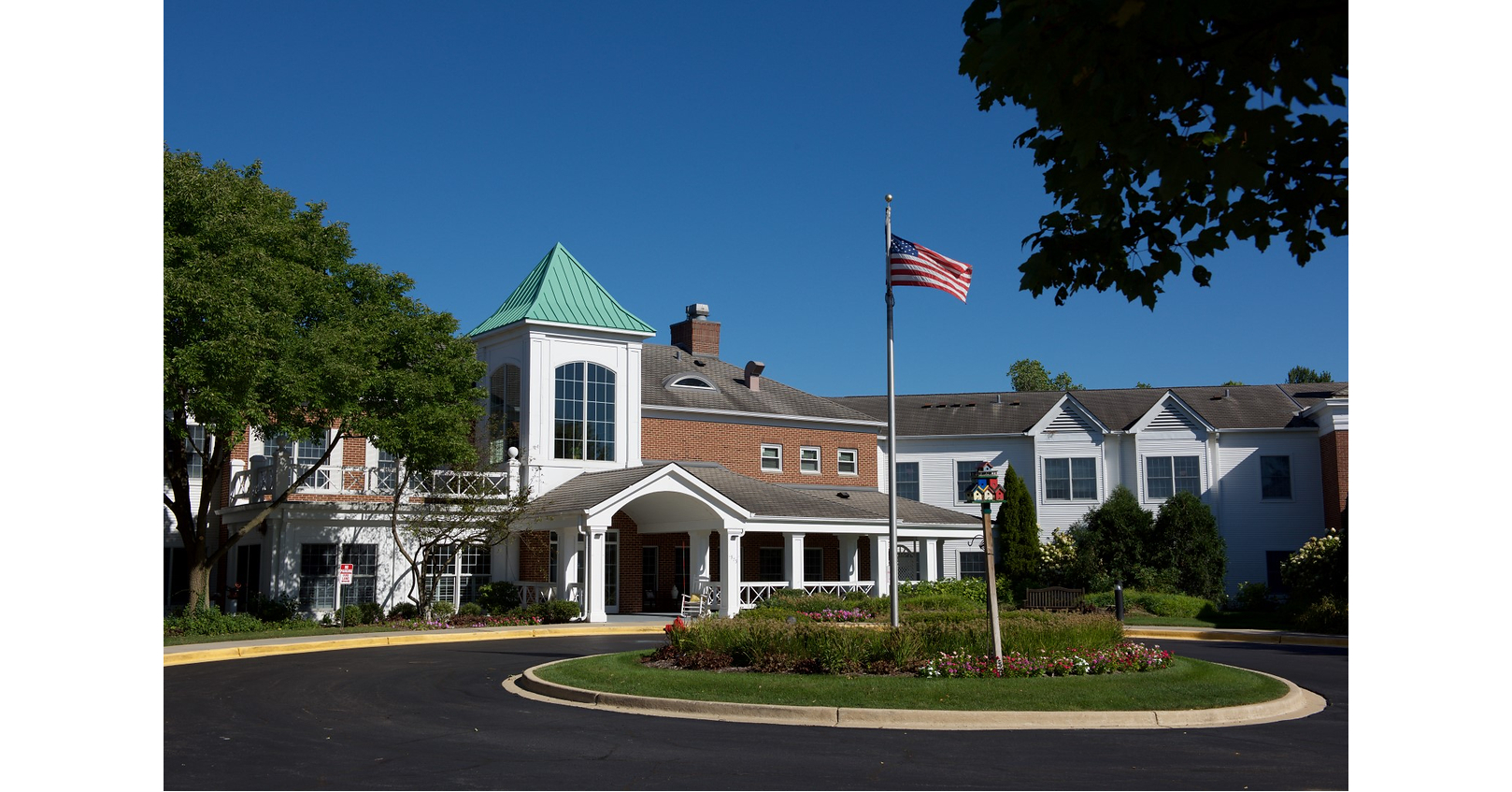
Citrine Investment Group sold River Glen of St. Charles, a 106-unit Illinois senior living community acquired in January 2023, to a long-term institutional senior-housing owner. The sale follows a multi-year value-add program that converted independent-living townhomes from entrance-fee arrangements to market-rate rentals and funded capital and operational upgrades. Citrine said the plan strengthened occupancy, improved operating efficiency, and created a more sustainable operating model, though financial terms were not disclosed.
Analysis
This is a private, single-asset transaction with no disclosed price, cap rate, NOI, occupancy, or financing terms; it is not independently sufficient to re-rate public senior-housing equities. The more relevant read-through is that institutional capital is willing to underwrite operationally intensive senior-housing turnarounds, but without transaction economics it cannot establish whether buyer demand reflects cap-rate compression or merely asset-specific execution value.
The entrance-fee-to-rental conversion has a mixed sector implication. It can broaden the resident funnel and improve recurring occupancy, but it also trades upfront cash receipts for longer-duration operating exposure; public operators with rental-heavy portfolios such as Welltower (WELL), Ventas (VTR), and National Health Investors (NHI) benefit only if rent growth and labor productivity exceed the loss of initial liquidity. The scarce asset is increasingly experienced on-site management, making third-party operators and staffing economics more consequential than real-estate appreciation over the next 6-18 months.
Near term, no direct public-market catalyst exists. Over 1-3 months, treat this as a modest confirmation signal for private-market liquidity in Midwest senior housing, not a valuation datapoint; a disclosed sale price or cap rate would be required to assess whether listed REIT NAV discounts are genuinely too wide. Contrarian risk is that improving occupancy can mask margin fragility if wage inflation, agency labor, insurance, and property-tax resets absorb incremental revenue.
AllMind Terminal
AI-powered research, real-time alerts, and portfolio analytics for institutional investors.
Request TrialMarket Sentiment
Overall Sentiment
mildly positive
Sentiment Score
0.35
Key Decisions for Investors
- No standalone trade on this announcement; do not extrapolate an undisclosed private sale into WELL, VTR, or NHI valuation targets.
- Maintain a watch alert for disclosed transaction cap rate, price per unit, trailing occupancy, and buyer financing. A cap rate below recent comparable senior-housing transactions would support a 3-6 month long bias in WELL versus office-heavy healthcare REIT peers; absent those data, the signal is insufficient.
- For existing senior-housing REIT exposure, prefer WELL over VTR on a 6-12 month horizon only if quarterly same-store senior-housing NOI growth remains ahead of wage and insurance inflation. Falsify the relative thesis if labor-cost growth exceeds revenue growth for two consecutive quarters or occupancy stalls.
- Monitor regional-bank commercial real-estate lending standards and 10-year Treasury yields: a 50-75 bp rise in senior-housing financing costs would impair private-buyer liquidity and pressure asset values before it materially affects reported public-REIT earnings.
More News
- Grab aims for 'next level' in financial services with purchase of buy-now pay-later platform Atome
- China's AI leaders keep quiet despite U.S. 'publicity' on tech risks
- Exclusive-Malaysia talks to rival airlines as it monitors AirAsia’s financial health, sources say
- China’s slower loan growth is the new normal, central bank governor says
- Americans' incomes rose and poverty fell in 2025, Census Bureau says
- Factbox-Private equity, foreign investors fuel Aussie M&A activity in 2026