
UK NICE Issues Guidance Recommending Routine NHS Funding for Bridge to Life's VitaSmart™ Hypothermic Oxygenated Perfusion System
Source: PR Newswire
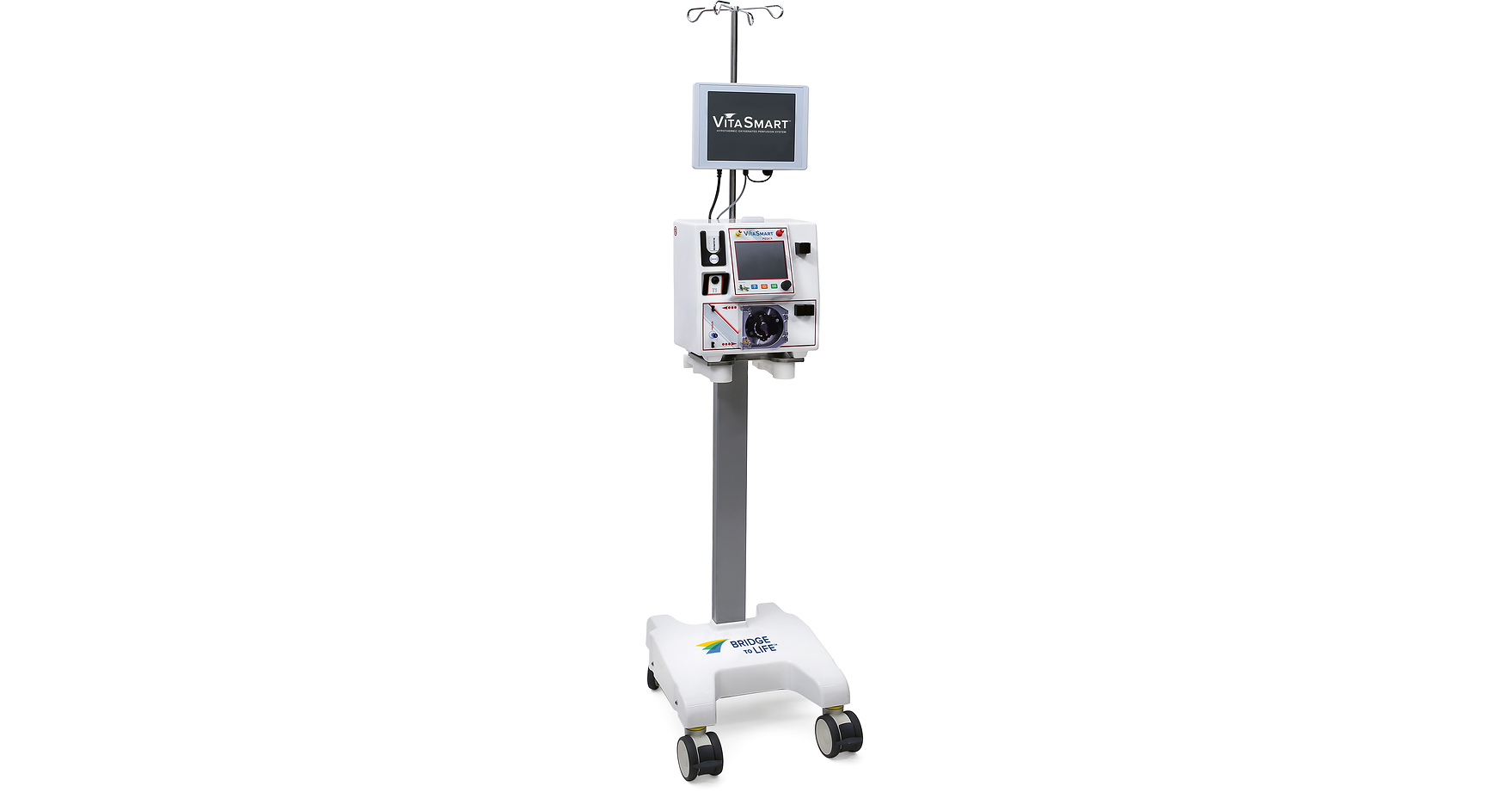
Bridge to Life said the UK’s NICE released HealthTech guidance (HTG780, published Aug. 20, 2026) recommending routine NHS funding for ex-situ machine perfusion devices, including its VitaSmart™ HOPE system, citing clear clinical and financial benefits. NICE reported hypothermic oxygenated perfusion is associated with improved graft survival and fewer biliary complications versus static cold storage. The guidance is framed as a milestone toward HOPE becoming the standard of care, with potential incremental demand tailwinds for VitaSmart as UK adoption expands.
Analysis
This is more important as a reimbursement signal than as a near-term revenue event. NICE essentially lowers the procurement friction for a low-capex perfusion workflow, which should help Bridge to Life convert pilots into standardized hospital purchasing, but the addressable revenue pool is still gated by transplant volumes and slow NHS tender cycles. The bigger second-order winner may be the broader liver-perfusion category: once centers operationalize machine perfusion, donor utilization and extended-criteria graft acceptance can rise, which supports procedure-volume growth for transplant centers and adjacent consumables.
The clearest relative loser is the premium, capital-intensive perfusion model if UK/EU buyers start anchoring on cost and simplicity. That is the right framework for TMDX: category validation is positive, but a NICE-backed preference for cheaper HOPE-like systems could pressure mix in price-sensitive systems if hospitals compare total cost per graft rather than headline clinical efficacy. Near term, this is a sentiment tailwind for the whole niche; over 6-18 months, procurement economics decide whether the gains accrue to the category leader or to the lowest-friction platform.
The market may be overestimating how fast “routine funding” becomes repeatable unit demand. The true catalyst path is 1-3 months of center adoption, tender language, and early case data; if those do not show up, the headline fades into a slow-burn reimbursement story. Falsifiers: no increase in UK transplant-center utilization, no evidence of budgeted purchasing, or a counter-move from competing perfusion platforms that preserve share despite the guidance.
AllMind Terminal
AI-powered research, real-time alerts, and portfolio analytics for institutional investors.
Request TrialMarket Sentiment
Overall Sentiment
moderately positive
Sentiment Score
0.45
Ticker Sentiment
Key Decisions for Investors
- No direct trade in the private name; treat as a watchlist catalyst for UK procurement data over the next 1-3 months rather than a investable long.
- Relative-value idea: short TMDX vs long a broader medtech basket only if UK/EU tender language starts explicitly favoring lower-cost HOPE workflows; until then, keep it on alert, not as an active short.
- If you want category exposure, use a small starter long in TMDX on pullbacks only if procedure volumes and reimbursement commentary remain constructive; the risk/reward is better if this becomes a broader perfusion adoption cycle, not a single-vendor win.
- Set a falsifier on any premium-perfusion thesis: if UK hospitals do not publish incremental adoption or if competing normothermic platforms hold share into the next 1-2 quarters, fade the enthusiasm.
More News
- Musk says Terrafab chip factory could outperform rivals despite challenges
- Nvidia GPUs are everywhere. Here are the ways companies are accessing them
- Stocks saw new highs and big declines: How the volatile AI trade moved last week's market
- Will Warner Bros. kill Skydance — or will David Ellison kill Warner Bros?
- The world needs Ukraine’s grain. Its farmers are running out of reasons to plant
- Cerebras Is About as Big as Nvidia's Data Center Business Was Nearly a Decade Ago. The Similarities Mostly End There.
From AllMind Research
- Anthropic IPO Preview: Valuation, Timing, and What to Watch
- Shein After the IPO: Venue, Valuation, and What Must Be Proved
- What AI Research Tools Should a Small Hedge Fund Buy First?
- AI Tools for CFA Charterholders: An Evidence Standard
- Weekly Update: Unstructured Data Search, Ask AI, and Advanced Futures Data