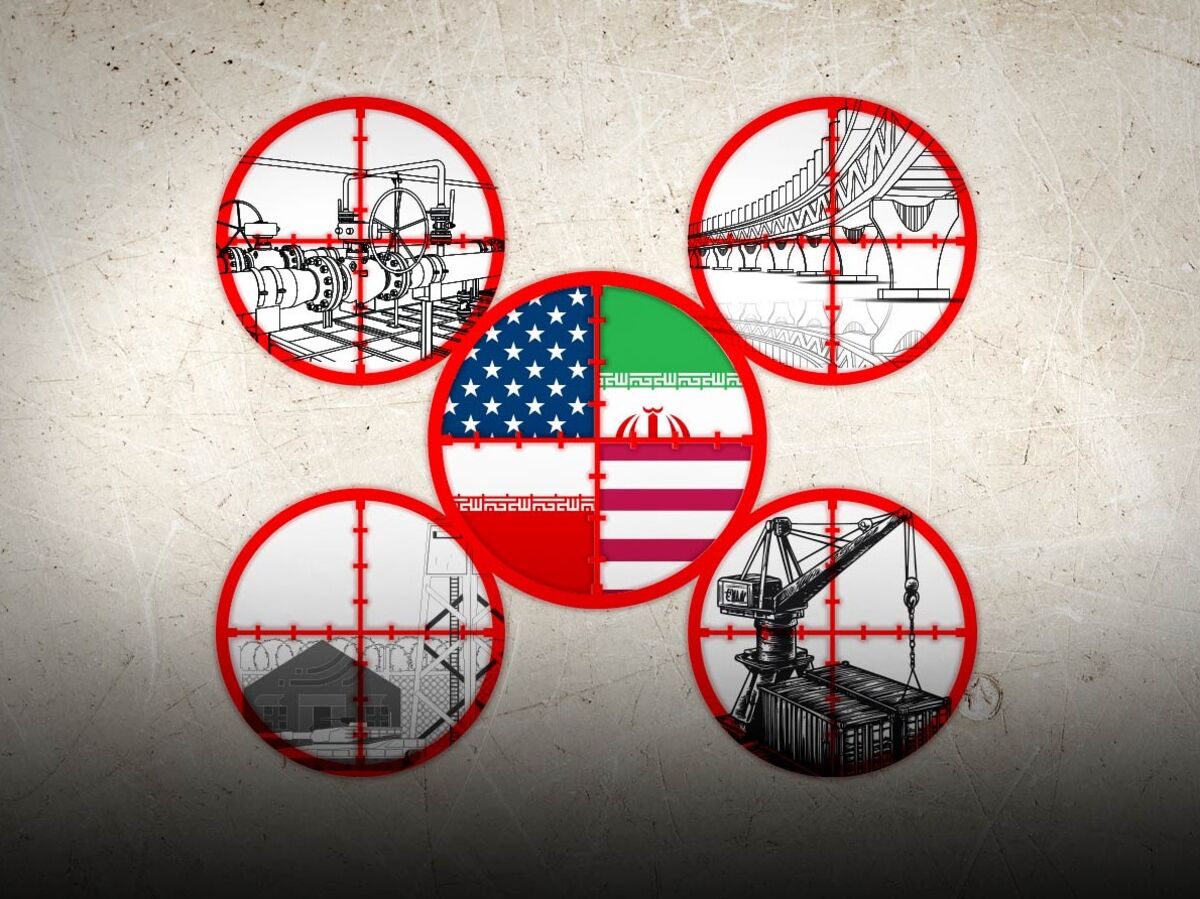
US-Iran tensions escalated after Islamic Republic strikes in Jordan killed American troops, with a third US service member dying in Iraq as tit-for-tat attacks intensified. Kuwait was hit after a targeted power and desalination plant, while President Trump remained silent on next steps as the death toll climbs. The geopolitical shock is likely to raise Middle East risk premia and potentially pressure energy markets.
The near-term market mechanism is a classic geopolitical risk premium, but the cleaner expression is not outright beta shorting — it is long energy vol and relative outperformance of assets tied to disruption pricing. Front-month crude, tanker insurance, and defense names should react first; the second-order winner is anyone with cash flows linked to incremental barrels or a higher security spend, while airlines, chemicals, and fuel-intensive transports absorb the margin shock. The attack on power/desalination infrastructure also raises the probability that this stays a regional infrastructure war rather than a one-off military exchange, which matters because it broadens the set of vulnerable assets beyond oil fields to utilities, ports, and Gulf credit.
Over the next 1-3 months, the key catalyst is whether the conflict threatens the Strait of Hormuz or merely remains a sequence of calibrated strikes. If shipping lanes stay open, the initial crude spike can fade quickly as inventory buffers, SPR signaling, and diplomacy cap the move; if freight and insurance costs keep rising, the market will start pricing a more durable supply constraint even without an actual embargo. That makes the risk asymmetry more attractive in call spreads and volatility than in naked directional energy longs.
The contrarian view is that consensus often overestimates how long headline-driven oil rallies persist and underestimates policy containment. The better trade may be relative value: long energy/defense versus broad cyclicals, not a blanket risk-off stance. What would falsify the thesis is a rapid de-escalation statement, a reversal in crude back toward pre-incident levels, or evidence that Gulf infrastructure and shipping continue to operate normally despite the rhetoric.
AI-powered research, real-time alerts, and portfolio analytics for institutional investors.
Request TrialOverall Sentiment
strongly negative
Sentiment Score
-0.55
