
Court Rulings Throw a Loop Into Braskem’s Double Debt Rework
Source: Bloomberg
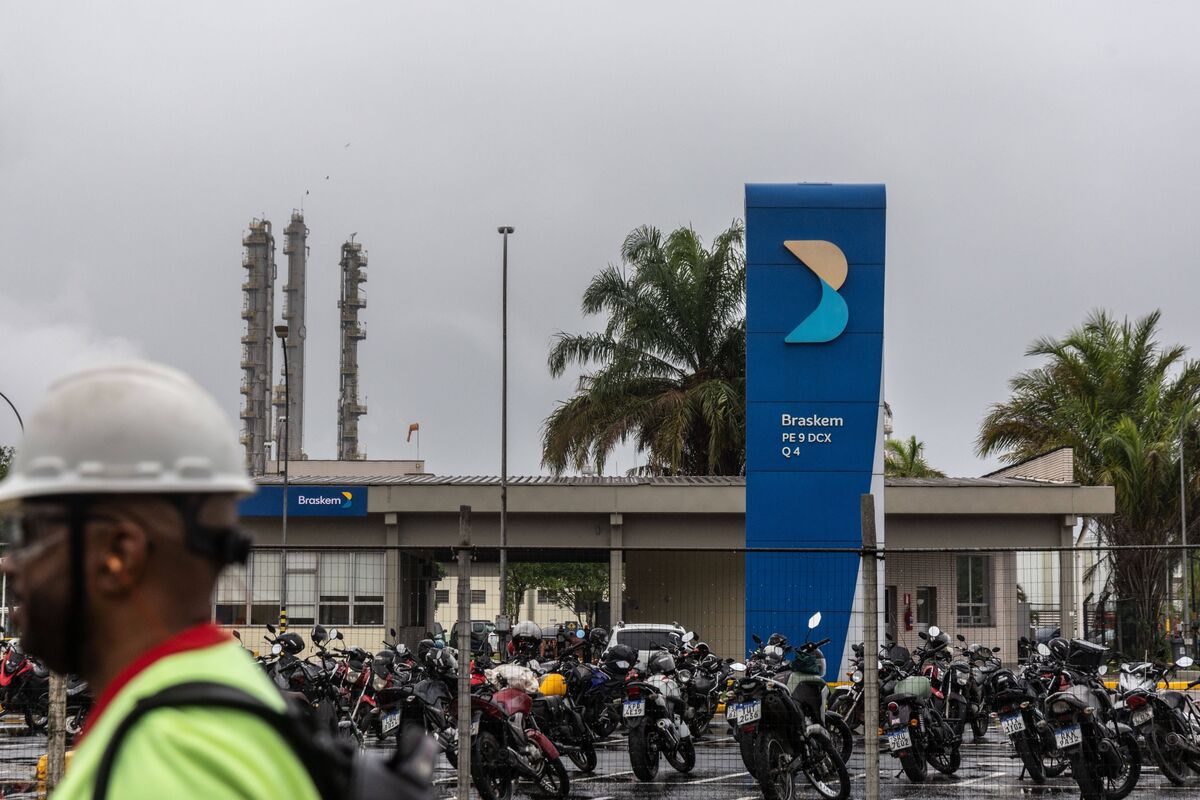
Conflicting court rulings have put Braskem’s planned restructuring of debt at its Mexican subsidiary in limbo. Creditors of the Brazilian parent have asked a court to prioritize restructuring the parent company’s debt, creating legal uncertainty that could delay the broader debt rework and weigh on creditor recoveries.
Analysis
The key transmission is not merely delayed subsidiary refinancing; it is a challenge to asset-ringfencing and therefore to the recoverable-value hierarchy across Braskem’s capital structure. If parent creditors can force coordination with the Mexican process, lenders will price a higher probability that cash flows, intercompany claims, and strategic assets are pooled rather than isolated. That raises funding costs even for unaffected operating units and reduces management’s flexibility to pursue asset sales, dividend upstreaming, or a control transaction.
BAK equity should trade increasingly like a residual claim on legal sequencing rather than on petrochemical-cycle fundamentals over the next 1-3 months. A prolonged jurisdictional dispute can consume liquidity through professional fees and constrain working-capital funding; in a cyclical downturn, this has nonlinear consequences for spreads and equity dilution risk. The more important 6-18 month implication is that a court-led process could weaken the negotiating leverage of existing controlling holders, making a strategic-sale outcome more feasible but less valuable to minority equity than an orderly transaction.
Consensus may be underestimating the contagion from a subsidiary-level dispute because nominal legal separateness often anchors recovery assumptions. The contrarian upside is that coordinated proceedings can ultimately maximize enterprise value by preventing creditor holdouts and preserving Mexican operations, but that requires a credible DIP-like liquidity solution and agreement on intercompany treatment. Without visibility into debt maturities, security packages, and restricted-group cash balances, this is a risk-management signal rather than a high-conviction directional credit trade.
AllMind Terminal
AI-powered research, real-time alerts, and portfolio analytics for institutional investors.
Request TrialMarket Sentiment
Overall Sentiment
mildly negative
Sentiment Score
-0.35
Ticker Sentiment
Key Decisions for Investors
- Maintain an underweight/avoid stance in BAK for the next 1-3 months; do not add on headline-driven weakness until management discloses restricted-group liquidity, intercompany exposures, and a court-recognized restructuring path. Thesis is falsified by a binding creditor framework that preserves operating liquidity and limits parent recourse.
- For portfolios able to trade the capital structure, screen Braskem bonds/CDS for maturity-specific dispersion rather than shorting BAK outright: favor protection or underweight in instruments with weaker structural seniority and near-term refinancing dependence. Execute only after confirming guarantees, collateral, and cross-default language; those terms determine whether the legal dispute has economic, rather than procedural, significance.
- Use BAK as a conditional event-driven watch item, not a takeover long. Reassess for a tactical long only if a coordinated process removes injunction risk while Petrobras/Novonor or another strategic buyer provides a funded capital solution; absent that, equity upside from a sale is likely offset by recovery leakage to creditors.
- Monitor Brazilian court decisions, Mexican operating-company liquidity, and any guidance change on capex or working capital as near-term catalysts. A further delay beyond one reporting cycle, a liquidity draw, or an adverse ruling on asset separation would justify increasing downside exposure; a settlement should trigger rapid short-covering risk.
More News
- The 10-year Treasury yield is at its highest in nearly two decades. How we got here
- Boeing flags 737 Max software glitch affecting some automated approach functions
- Apple hit with $5.7 billion in damages over haptic patents
- US jury says Apple owes record $5.7 billion in patent case against San Diego company
- Rate Market Fear Gauge Is Warning for Corporates: Credit Weekly
- New Mexico jury finds Facebook liable for over 43 million violations of consumer protection law—and Meta could owe over $200 billion in penalties
From AllMind Research
- Anthropic IPO Preview: Valuation, Timing, and What to Watch
- Shein After the IPO: Venue, Valuation, and What Must Be Proved
- What AI Research Tools Should a Small Hedge Fund Buy First?
- Capital IQ Alternatives for Research and Deal Work
- Research Workflows, Report Format Selection, and Interactive Synthesis