
Tampa General Hospital Recognized Among World's Best Smart Hospitals for 2027 by Newsweek
Source: PR Newswire
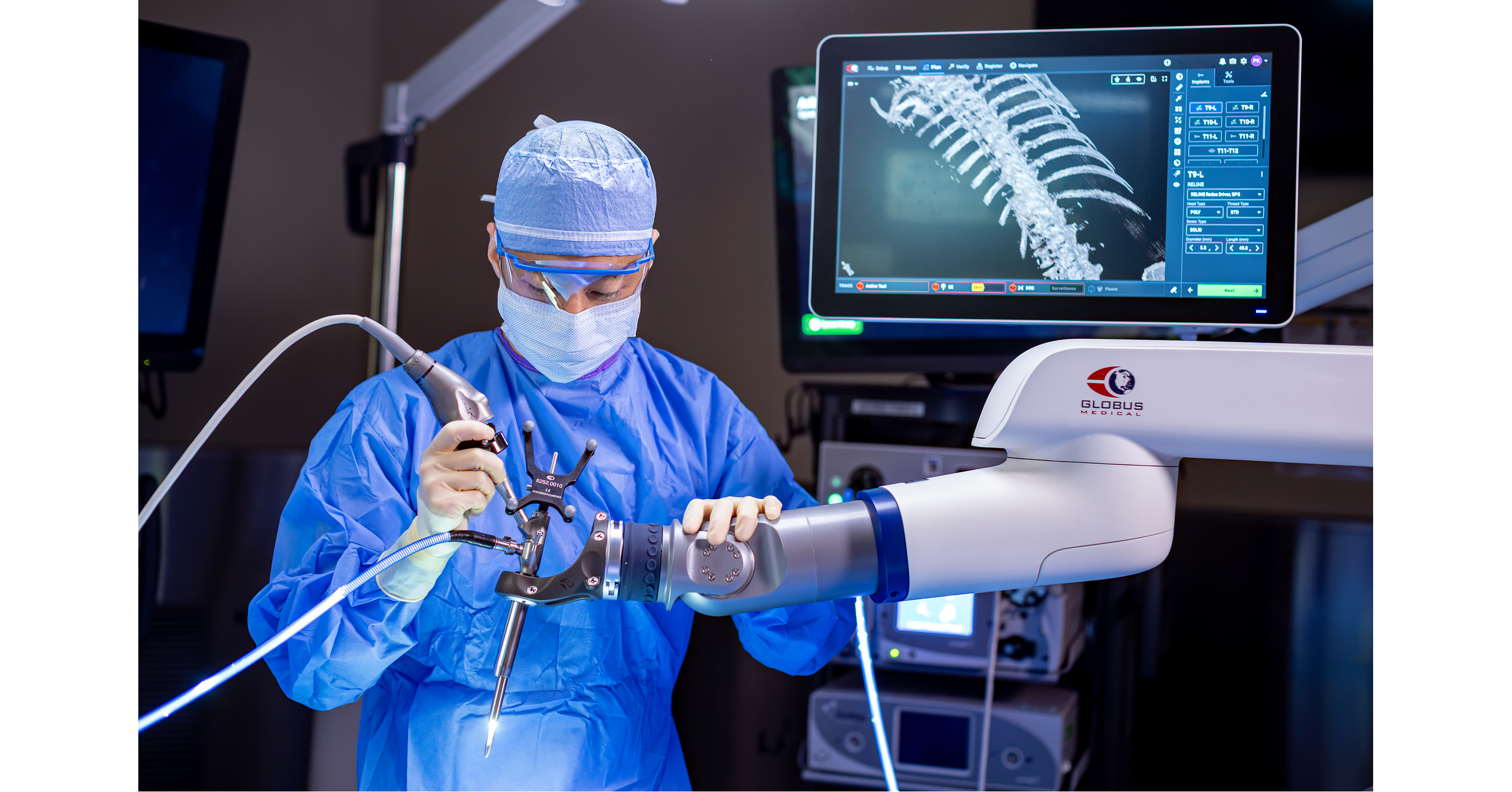
Tampa General Hospital was again named among Newsweek and Statista’s “World’s Best Smart Hospitals for 2027,” ranking No. 1 among academic health systems in Tampa Bay and among eight recognized Florida hospitals. Since 2022, its sepsis initiative has helped save more than 1,000 lives, reduced 48-hour sepsis mortality by nearly 68% and cut sepsis patients’ length of stay by about 30%; ambient AI reduced physician documentation time 24%. Its AI call-center tool has answered over 2.4 million calls since September 2025 and contributed to a 21% increase in scheduled appointments.
Analysis
For Palantir, this is a useful deployment proof point—not evidence of material near-term revenue. The announcement identifies an operating partnership and reported clinical/throughput outcomes, but provides no contract value, renewal terms, or confirmation that the quantified benefits are independently audited. The investable question is whether Tampa General expands the work into paid deployments across additional facilities, or becomes a reference customer that shortens sales cycles elsewhere.
The more important second-order effect is on hospital purchasing: measurable reductions in documentation burden, sepsis deterioration, and OR idle time can help justify digital spending even at financially constrained providers. But operational benefit does not automatically become vendor economics. Hospitals must capture capacity through more cases, lower labor costs, or improved reimbursement; safety-net obligations and staffing constraints may limit that conversion. If outcomes are replicable, integrated platforms may gain an edge over point solutions, while incumbent EHR workflows and ambient documentation vendors face pressure to demonstrate comparable results. Implementation, data quality, clinician adoption, and liability remain adoption bottlenecks.
Near term, this is weak as a standalone PLTR catalyst; over 1–3 months, watch for customer expansion or additional named health-system wins and evidence of commercial conversion. Over 6–18 months, repeatable deployments could support healthcare as a vertical growth narrative, but execution and contract economics matter more than rankings. The contrarian point: strong hospital outcomes can coexist with modest vendor revenue if deployments are bespoke or priced narrowly. Falsifiers include no disclosed expansion, weak healthcare customer growth in PLTR reporting, or hospital evidence that productivity gains fail to improve capacity or costs.
AllMind Terminal
AI-powered research, real-time alerts, and portfolio analytics for institutional investors.
Request TrialMarket Sentiment
Overall Sentiment
strongly positive
Sentiment Score
0.55
Ticker Sentiment
Key Decisions for Investors
- Do not trade PLTR on this release alone; treat it as a qualitative validation datapoint, not a revenue estimate or valuation catalyst.
- For a PLTR long thesis, use follow-up disclosures as the trigger: seek evidence of paid expansion at Tampa General, additional health-system wins, and healthcare-related commercial growth. Reassess if these do not emerge over the next few quarters.
- Monitor whether reported OR capacity and reduced length of stay translate into realized case growth, labor savings, or better unit economics. Without that conversion, provider adoption may not support durable software pricing.
- Avoid assuming a broad healthcare-AI winner from a single hospital account. Track whether hospitals favor integrated platforms over point vendors, and whether clinician adoption, data integration, or regulatory/liability concerns slow deployments.
More News
- Vendors asking forward deployed engineers to make good on trillion-dollar AI bet
- UK government hasn't the foggiest how much it's spending on digital transformation
- US tech stocks tumble as investors fret over AI spending
- Asian shares wobble as tech rout boosts bonds, dents rate hike bets
- Asia stocks fall as AI rout batters S.Korea; Japan spooked by strong CPI
- AI debt and French bonds face a stress test — why it may not be over
From AllMind Research
- Anthropic IPO Preview: Valuation, Timing, and What to Watch
- Shein After the IPO: Venue, Valuation, and What Must Be Proved
- What AI Research Tools Should a Small Hedge Fund Buy First?
- Weekly Update: Adding Live MBO Level 3 Data - Liquidity Heatmap, OFI Charts, and More
- AI Software for Buy-Side Teams: Build the Research Stack