
Warriors Heart Celebrates a Decade of Saving Warrior Lives
Source: PRWeb
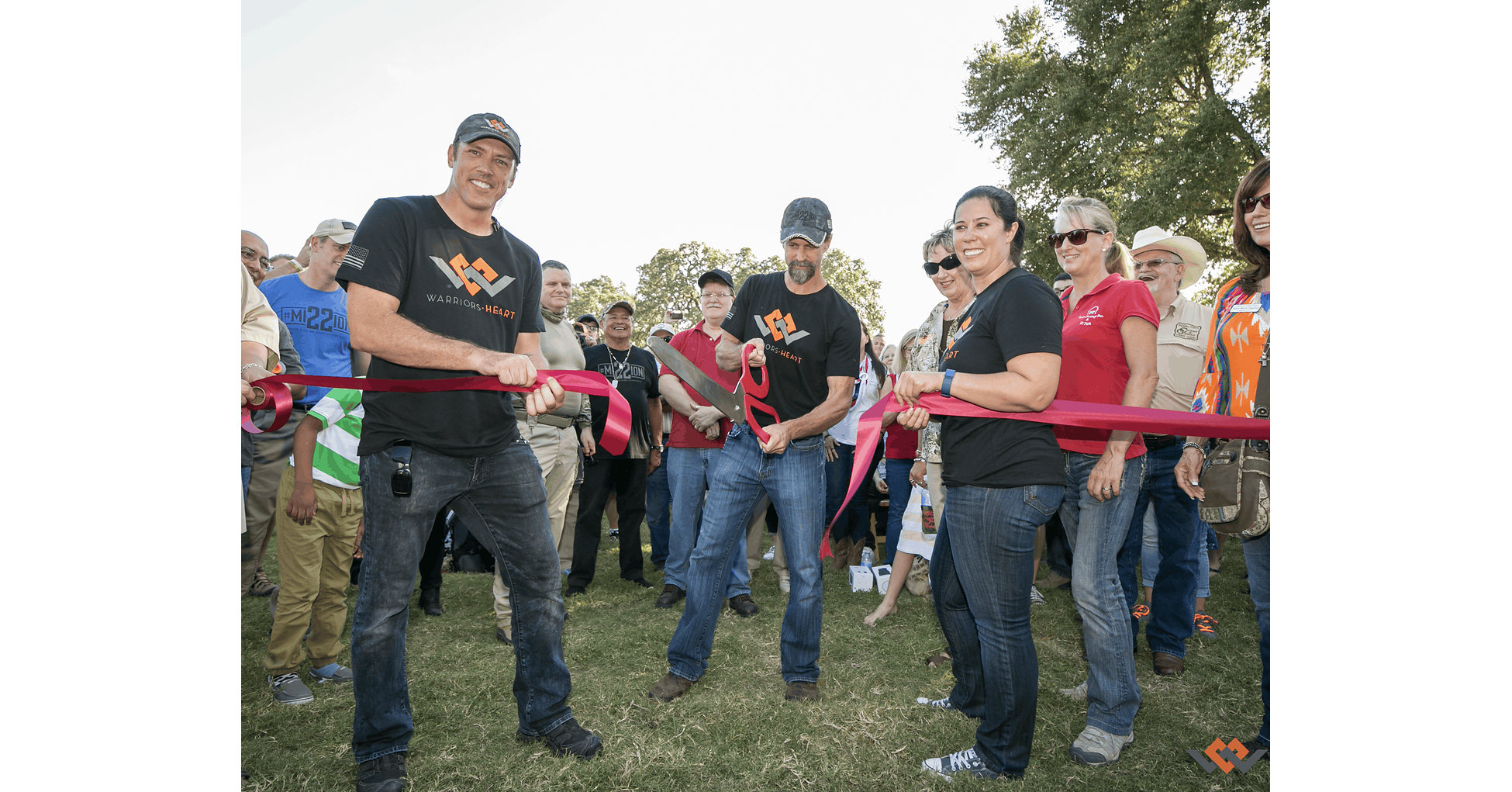
Warriors Heart says its peer-led treatment program has helped more than 4,500 military members, veterans and first responders since opening in 2016. In 2025 data from third-party assessor Trac9 Informatics, it reported an 88% completion rate—16% above the national average—and improvements exceeding national benchmarks in 16 of 17 measured outcome areas, including a 65% reduction in depression scores. The organization is exploring options for a new campus to address capacity needs.
Analysis
This is a positive proof-point for a specialized care model, but not yet an investable growth signal: Warriors Heart is private, and the article gives no revenue, payer mix, unit economics, funding commitment, or expansion timetable. The claimed outcome advantage is encouraging, but the cited 2025 data do not establish comparative causality; cohort selection, follow-up rates, and independent validation matter before extrapolating clinical results into durable demand or pricing power.
The second-order constraint is likely execution, not awareness. A new campus would require capital and scarce behavioral-health staff; expansion could raise local recruiting costs or draw clinicians from nearby providers, while successful outcomes could support referrals and partnerships for the broader behavioral-health sector. Public operators such as Acadia Healthcare and Universal Health Services are only indirect read-throughs, with no demonstrated material earnings exposure from this announcement.
Near term, expect limited public-market impact: the milestone is mainly reputational and does not establish a funded project or contract. Over 1–3 months, the useful catalysts are a named site, financing, licensing, payer/referral agreements, and staffing plans. Over 6–18 months, capacity additions could matter if utilization and outcomes hold up. Contrarian point: the “capacity is the limit” framing is a management assertion, not proof that demand can be converted into profitable, staffed beds. The thesis weakens if expansion stalls, completion/outcome measures deteriorate with scale, or funding and referral support fail to materialize.
AllMind Terminal
AI-powered research, real-time alerts, and portfolio analytics for institutional investors.
Request TrialMarket Sentiment
Overall Sentiment
moderately positive
Sentiment Score
0.50
Key Decisions for Investors
- No direct trade: Warriors Heart is private and the article provides no public-company earnings linkage. Avoid treating the positive tone as a catalyst for broad healthcare exposure.
- Watch Acadia Healthcare and Universal Health Services only as indirect sector comparables; revisit if Warriors Heart announces a funded expansion or evidence of meaningful clinician, referral, or payer competition in a specific market.
- Set an event-driven watch for a campus site, financing source, licensing, payer/referral agreements, and staffing plan. Without these, capacity expansion remains an aspiration rather than an investable catalyst.
- Before underwriting the outcomes claim, seek cohort size, follow-up completeness, case-mix adjustment, and independent validation; weaker results as capacity scales would falsify the durability thesis.
More News
- From Wall Street to Silicon Valley, Anthropic IPO poised to have massive 'trickle-down effect'
- Anthropic’s IPO filing shows explosive growth, risks and staggering costs
- Microsoft offers buyouts to nearly 30% of workforce in ongoing AI shift
- Elon Musk warns more than 200 AI cloud companies face ‘guppy-level death’ as the AI boom runs into a debt crisis
- Anthropic’s risk factors include the end of humanity, a feud with the Pentagon, and CEO Dario Amodei’s reputation
- Meta, SpaceX, Anthropic stoke the AI funding frenzy. What it means for our stocks