
798 au festival Ars Electronica 2026 : tisser de nouveaux liens entre l'art et la technologie
Source: PR Newswire
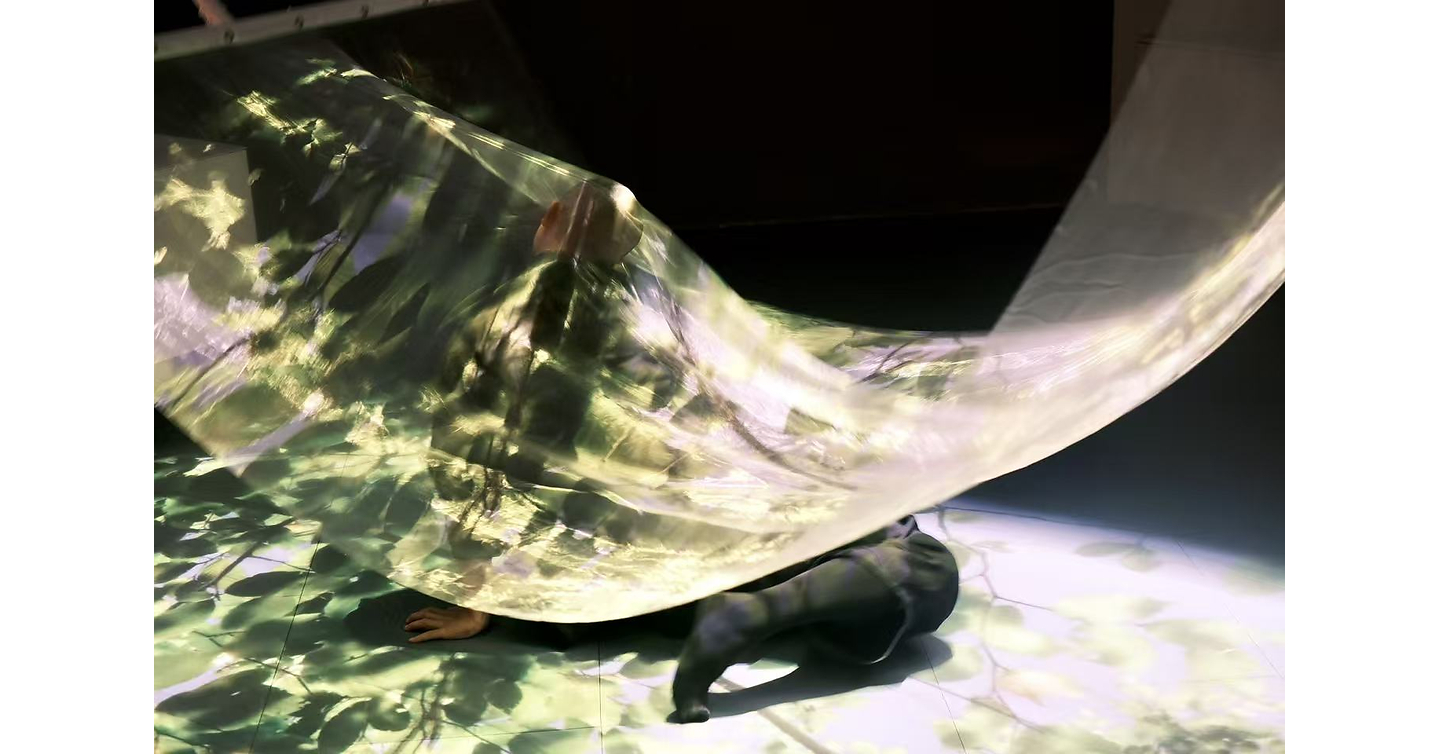
Beijing's 798 Art District made its first appearance at Ars Electronica 2026, presenting the human-machine performance "Airy" and positioning China's art-and-technology ecosystem to an international audience. The district also launched the multidisciplinary 798 residency program with BOUNDED SPACE, focused on new-media artists, electronic musicians and creative collectives. The announcement supports longer-term international collaboration in AI, robotics and embodied systems, but has limited direct financial-market implications.
Analysis
This is not investable near-term: the announcement provides no budget, commercial counterparty, hardware procurement, IP ownership, or recurring revenue stream. The most likely market effect is reputational rather than financial, and it should not alter estimates for listed AI, robotics, media, or Chinese consumer-experience companies over the next 1-3 months.
The second-order signal is modestly constructive for embodied-AI adoption at the cultural-institution level, where installations can create demonstration demand for robotic arms, real-time rendering, sensing, and generative-content tools. That demand is too small to matter for ABB, FANUY, ISRG, NVDA, or Chinese automation suppliers absent evidence that exhibitions translate into enterprise pilots, municipal spending, or standardized deployments. Over 6-18 months, a broader China-Europe cultural technology exchange could marginally support domestic creative-software and robotics ecosystems, but this remains a policy and ecosystem narrative rather than an earnings catalyst.
Contrarian view: investors often extrapolate highly visible AI/robotics demonstrations into equipment demand, but artistic installations are typically bespoke, low-volume projects with limited repeatability and weak margin read-through for component vendors. The thesis changes only if the program discloses funded institutional partners, a multi-site deployment pipeline, named technology suppliers, or measurable commercialization of resident-created IP.
AllMind Terminal
AI-powered research, real-time alerts, and portfolio analytics for institutional investors.
Request TrialMarket Sentiment
Overall Sentiment
mildly positive
Sentiment Score
0.30
Key Decisions for Investors
- No new position recommended; treat the item as non-material to public-equity earnings forecasts over the next quarter.
- Set a watch alert for named hardware, software, cloud, or private-sector partners in the residency program. A disclosed multi-year procurement commitment or repeatable installation model would be the threshold for evaluating supplier exposure.
- Do not chase robotics or AI-theme ETFs such as BOTZ or ROBO on cultural-demonstration headlines; require evidence of industrial order growth, backlog acceleration, or upward revenue guidance before adding thematic exposure.
- For China technology exposure, monitor whether cultural-tech programs are followed by municipal subsidies or procurement frameworks. Without a budgeted policy vehicle, the probability of a tradable revenue catalyst remains low.
More News
- 'Hostile act': Trump threatens EU with tariffs over Canada associate-membership proposal
- US official says upcoming spectrum auctions could generate more than $100 billion
- Investors react to Fed hike and market sell-off: Brace for 'higher for longer' rates
- Fed delivers its first hike in 3 years. Plus, what's moving Starbucks and GE Vernova
- Fed’s Warsh lays out forces driving up bond yields
- The Fed unanimously agrees to hike interest rates for the first time since 2023, despite Trump’s call for the ‘lowest rates’ in the world
From AllMind Research
- Anthropic IPO Preview: Valuation, Timing, and What to Watch
- Shein After the IPO: Venue, Valuation, and What Must Be Proved
- What AI Research Tools Should a Small Hedge Fund Buy First?
- Document Search Enhancements, AI Enhancements, AI Actions, & Chat Export
- AI Vendor Landscape for Institutional Investment Teams