
AMPERA ET L'IMPERIAL COLLEGE LONDON S'ASSOCIENT POUR DÉVELOPPER UNE PLATEFORME D'IA BASÉE SUR LA PHYSIQUE POUR LES SYSTÈMES ÉNERGÉTIQUES AVANCÉS
Source: PR Newswire
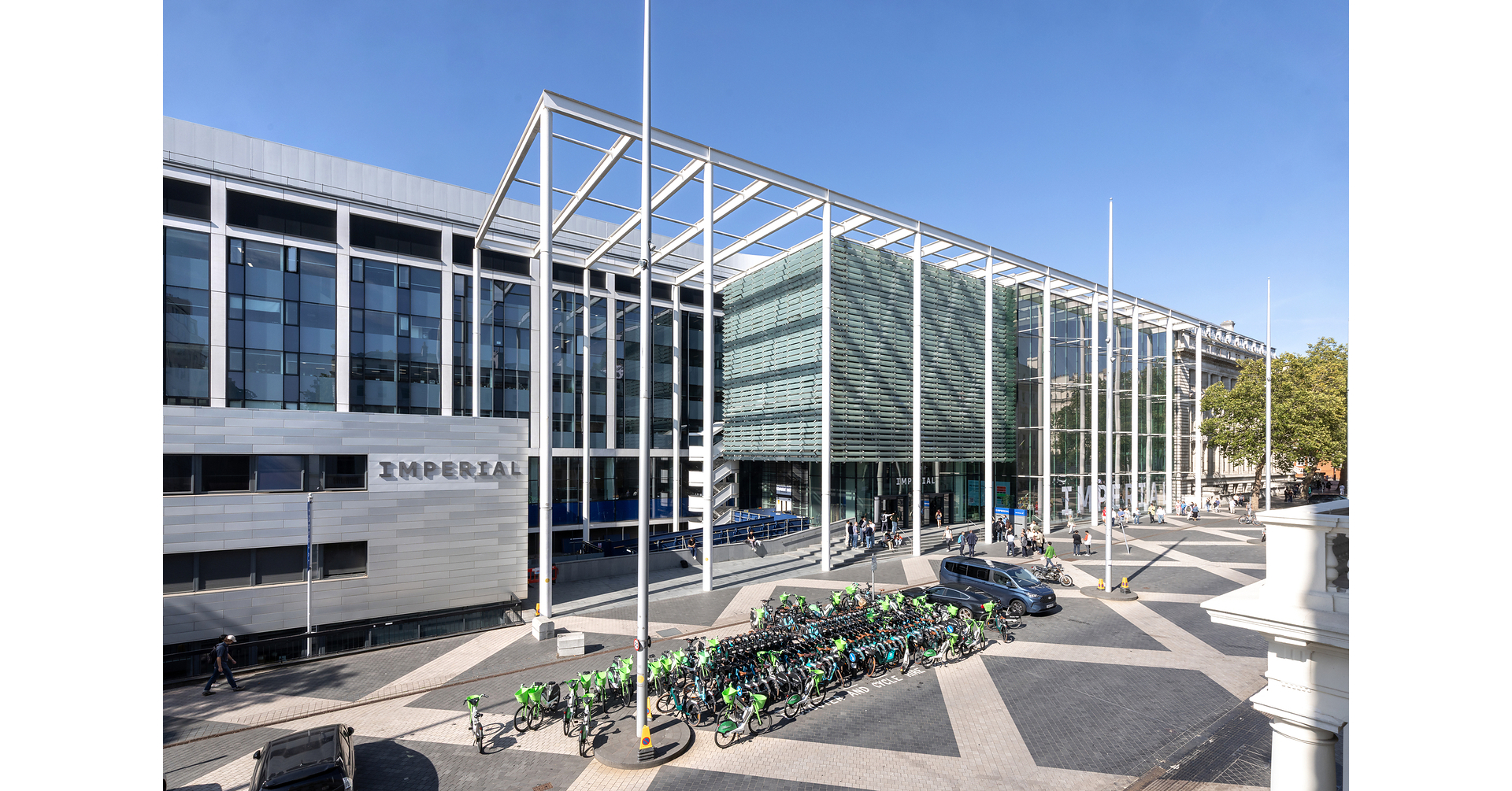
AMPERA announced a multi-year partnership worth approximately $9 million (£7 million) with Imperial College London to develop NeuralTwin, a physics-based digital-twin platform for energy systems. The collaboration will combine first-principles physics and AI-based models to support faster engineering, performance optimization, safety, and system deployment; the announcement provides no revenue or deployment timetable.
Analysis
The economic upside is conditional, not yet bankable: faster engineering only creates value if NeuralTwin materially shortens design, validation or licensing cycles for AMPERA’s energy systems. The key bottleneck is likely independent verification and regulatory acceptance, not simulation speed alone. In safety-critical applications, physics-informed AI may reduce iteration time while increasing model-governance, explainability and validation burdens; if those costs offset engineering savings, the platform is a differentiator in presentations rather than in project economics.
The Imperial affiliation improves technical credibility, but is not customer adoption or regulatory endorsement. The announced multiyear spend also says little about commercial materiality without payment milestones, deliverables and AMPERA’s funding context. Potential beneficiaries beyond AMPERA include engineering-software and simulation vendors such as Ansys, Siemens and Dassault Systèmes if AI-enhanced modeling expands paid workflows; alternatively, a proprietary stack could displace some external tools. The direction is unclear until integrations and licensing are demonstrated.
Near term, this is unlikely to support a fundamental earnings trade on the announcement alone. Over 1–3 months, watch for technical benchmarks, named deployments and evidence that customers or regulators accept the validation pathway. Over 6–18 months, successful adoption could improve engineering throughput and deployment economics, but a failed validation or licensing process would leave development expense without a proven commercial return. The contrarian point: the market may overvalue the AI label while underweighting certification friction. No direct security or listing identity is supplied, so there is no defensible single-name trade here.
AllMind Terminal
AI-powered research, real-time alerts, and portfolio analytics for institutional investors.
Request TrialMarket Sentiment
Overall Sentiment
mildly positive
Sentiment Score
0.25
Key Decisions for Investors
- Do not trade the announcement as a near-term earnings catalyst; treat it as a watch item until AMPERA reports measurable engineering-cycle savings, deployment wins or customer revenue attributable to NeuralTwin.
- Request or monitor contract milestones, funding/payment terms, benchmark results against conventional simulation, and whether outputs are independently validated and accepted in safety or licensing workflows.
- For engineering-software exposure, monitor Ansys, Siemens and Dassault Systèmes for evidence that AI-driven digital-twin adoption expands recurring software demand rather than cannibalizing existing simulation products; avoid a directional pair trade until that substitution signal is clearer.
- Falsify the positive thesis if NeuralTwin fails to demonstrate reproducible accuracy or regulatory-grade traceability, if deployment timelines do not improve, or if AMPERA’s guidance indicates rising development costs without commercial conversion.
More News
- SK Hynix Posts Record Profit Amid AI Rush
- SK Hynix third-quarter profit sharply beats estimates on AI memory boost
- Anthropic's IPO could be 'speculative fiction' or a 'generational moment' — investors are split
- Anthropic IPO Seeks Investors, With Risks of Catastrophe, Rogue AI
- Iran’s calculations as US escalation looms: Trust, midterms, Hormuz
- Tech's relief rally extends as attention turns to tough decisions for the Fed