
The Last Mile's 'Fragmentation Tax': FarEye Sets Out Four Moves to Control Rising Delivery Costs at Last Mile Leaders EMEA 2026
Source: PR Newswire
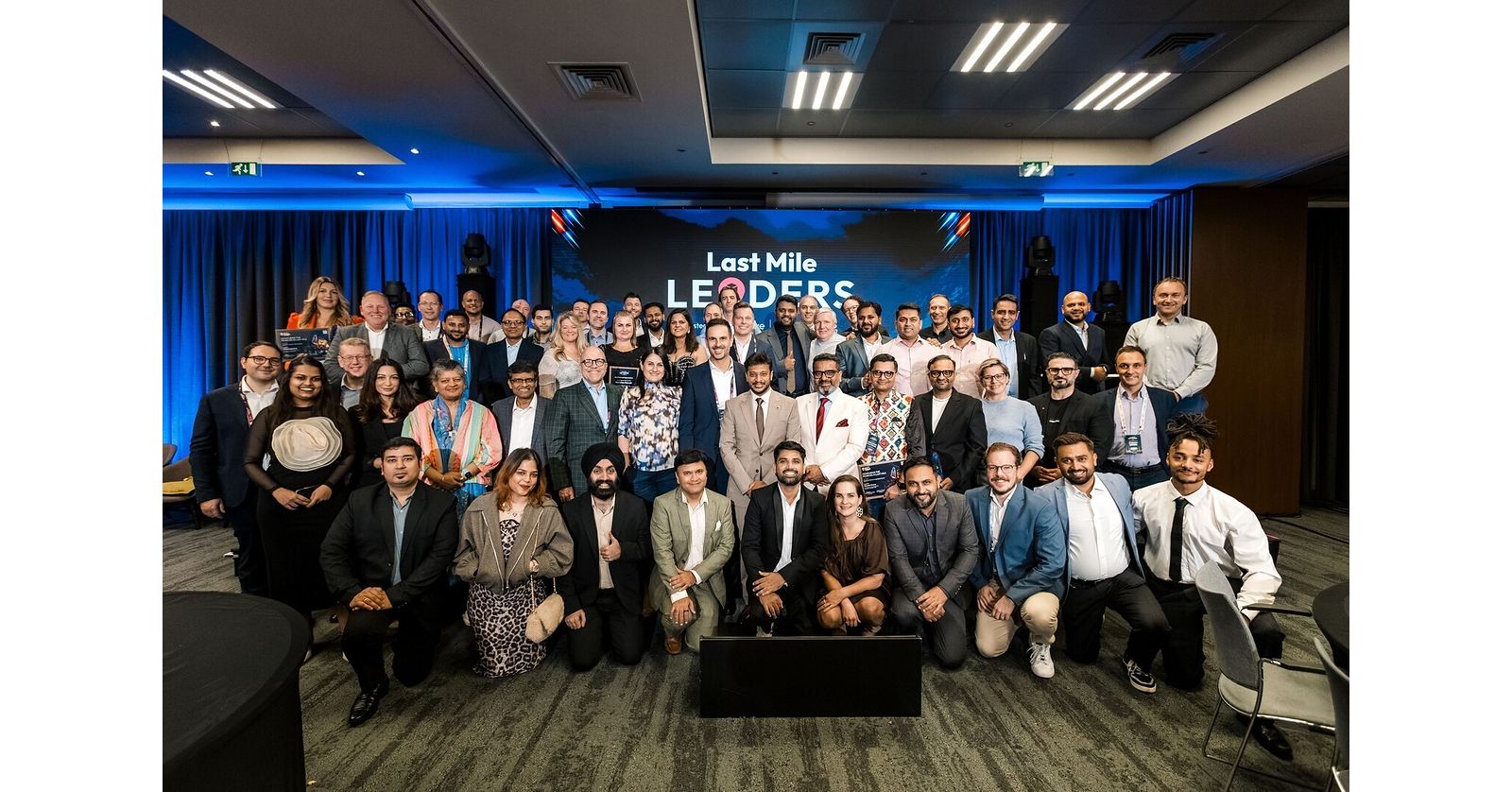
FarEye's report found that last-mile delivery costs across EMEA rose a typical 9% over the past year, with 96% of firms paying more per delivery. Among fully outsourced firms, 51% cited unreliable carrier information as their biggest challenge, versus 22% citing cost. CEO Kushal Nahata proposed four priorities: improve delivery control, measure full cost to serve, offer differentiated delivery promises, and build AI on standardized, trusted data with human oversight.
Analysis
Fragmentation is a potential software and scale advantage—not yet an investable earnings signal. FarEye’s vendor-sponsored survey points to a plausible ROI pool in exception handling, carrier reconciliation and failed deliveries, but does not establish realized savings, software budgets or conversion rates. Near term (days), the event itself is unlikely to support a durable sector move. Over 1–3 months, watch for retailers and logistics operators to disclose procurement, carrier-consolidation or delivery-cost initiatives. Over 6–18 months, standardized data could favor platforms that connect multiple carriers and enterprise systems; it may also shift volume toward larger carriers able to absorb integration and service-level requirements, pressuring smaller operators.
The contrarian point: software may enable savings without capturing them. Buyers can use improved visibility to renegotiate carrier rates, while competing platforms—including Descartes Systems Group, Manhattan Associates and WiseTech Global—could limit pricing power. AI is downstream of clean, consistent operational data; claims of near-term AI monetization should be discounted. The survey is a directional signal, not independently verified market-wide cost evidence.
Falsify the opportunity if operator commentary shows no measurable reduction in cost-to-serve or exception rates, if software adoption fails to appear in customer wins/backlog, or if carrier consolidation and integration costs outweigh savings. No immediate trade is warranted on this release alone.
AllMind Terminal
AI-powered research, real-time alerts, and portfolio analytics for institutional investors.
Request TrialMarket Sentiment
Overall Sentiment
neutral
Sentiment Score
0.05
Key Decisions for Investors
- No event-driven position: treat the report as a diligence prompt, not proof of incremental revenue or margin expansion for FarEye or listed logistics-software vendors.
- Set a 1–3 month watch on earnings calls and customer disclosures for quantified cost-per-delivery, failed-attempt and exception-rate improvements, plus new multi-carrier platform deployments.
- Conditional sector idea: consider relative exposure to logistics-software providers only after customer wins or backlog validate demand; avoid paying an AI premium absent evidence that standardized data is producing measurable savings.
- Monitor carrier mix and service-level requirements: evidence that large carriers are gaining share at smaller operators’ expense would support a scale-winner thesis; lack of such shifts, or rising integration costs without lower cost-to-serve, would invalidate it.
More News
- SK Hynix third-quarter profit sharply beats estimates on AI memory boost
- SK Hynix Posts Record Profit Amid AI Rush
- Anthropic's IPO could be 'speculative fiction' or a 'generational moment' — investors are split
- Iran’s calculations as US escalation looms: Trust, midterms, Hormuz
- Anthropic IPO Seeks Investors, With Risks of Catastrophe, Rogue AI
- Anthropic Gives Traders a Pure-Play Bet on Frontier AI