
Moab Office of Tourism Launches New Brand and "Should've Stayed Longer" Campaign
Source: PR Newswire
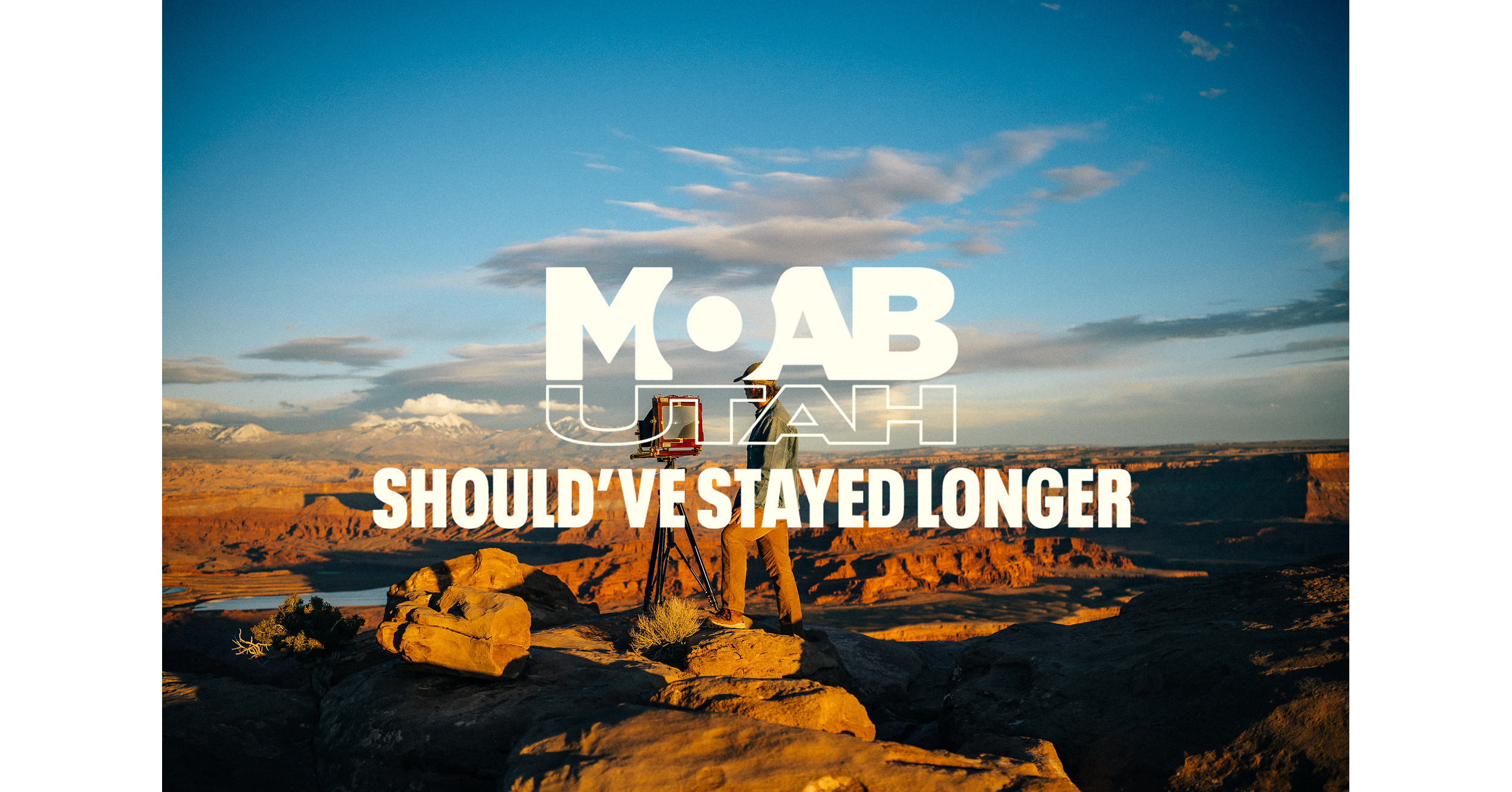
Moab Office of Tourism launched its "Should've Stayed Longer" destination brand campaign, supported by research showing more than 90% of visitors either plan to return or wished they had allocated more time to the destination. The campaign spans billboards, print, digital, CTV, social media and a shuttle wrap, while participating lodging operators will offer incentives for stays of at least three nights. The initiative aims to increase visitor length of stay and capture more tourism spending in a market that receives an estimated 2.5 million annual visitors.
Analysis
This is immaterial to Marriott's consolidated earnings, but it is directionally supportive for occupancy and ancillary spend at franchised/select-service properties in the Moab market. The key mechanism is not incremental arrivals but conversion of one- and two-night itineraries into three-night stays: that raises RevPAR through occupied-room nights while improving fixed-cost absorption for local operators. Because participating lodging incentives likely discount the marginal night, ADR may initially lag occupancy; the local RevPAR outcome therefore depends on whether incremental length of stay offsets promotional rate dilution.
Near term, the campaign is too geographically narrow to alter MAR estimates or justify a standalone position. Over 1-3 months, monitor third-party Moab hotel data for weekend occupancy, ADR and length-of-stay improvement versus comparable gateway markets; a sustained occupancy gain without ADR erosion would signal genuine incremental demand rather than discounted displacement. The broader read-through is modestly constructive for experiential-drive tourism, but national-park capacity constraints, seasonal weather, consumer travel-budget pressure, and any reduction in international visitation are more important determinants of MAR's multiple.
Contrarian view: destination-marketing claims about return intent are weak evidence of incremental room demand, particularly where park visitation and lodging supply already constrain peak-season availability. The campaign could simply shift bookings from independent motels or adjacent markets into participating branded hotels, creating local share gains rather than category growth. Any benefit is most plausible in shoulder seasons, when additional room nights can be accommodated and promotional offers are more likely to stimulate, rather than cannibalize, demand.
AllMind Terminal
AI-powered research, real-time alerts, and portfolio analytics for institutional investors.
Request TrialMarket Sentiment
Overall Sentiment
mildly positive
Sentiment Score
0.32
Ticker Sentiment
Key Decisions for Investors
- No standalone MAR trade: the expected earnings contribution is de minimis relative to systemwide RevPAR and does not change the 6-18 month fundamental thesis.
- Create a 1-3 month monitoring alert for Moab/Grand County STR or hotel-industry data: actionable only if occupancy rises versus comparable Utah gateway markets while ADR is flat-to-up; that would support a small tactical long MAR only alongside broader U.S. leisure RevPAR strength.
- For local lodging exposure, favor branded/select-service operators over independents only if incentive participation drives measurable direct-booking share; missing data are property-level occupancy, ADR, and promotion funding, so this remains a watch item rather than a recommendation.
- Treat a material ADR decline or evidence that stays are being discounted into already-full peak periods as thesis falsification: it would indicate rate dilution and share redistribution, not incremental lodging demand.
More News
- Instacart reportedly discussed selling itself with DoorDash and Uber
- Sudan’s soaring fuel prices make getting by harder for workers
- What next for France as riots rattle markets? Three questions facing investors ahead of more protests
- French police use tear gas and water cannons after some protests turn violent as shopkeepers board up storefronts across Paris
- IMDELLTRA® IN COMBINATION WITH IMFINZI® REDUCED RISK OF DEATH BY AN UNPRECEDENTED 58% IN FIRST-LINE EXTENSIVE STAGE SMALL CELL LUNG CANCER
- France Faces New Protests After Week of Violence