
Latest Oil Market News and Analysis for Oct. 16
Source: Bloomberg
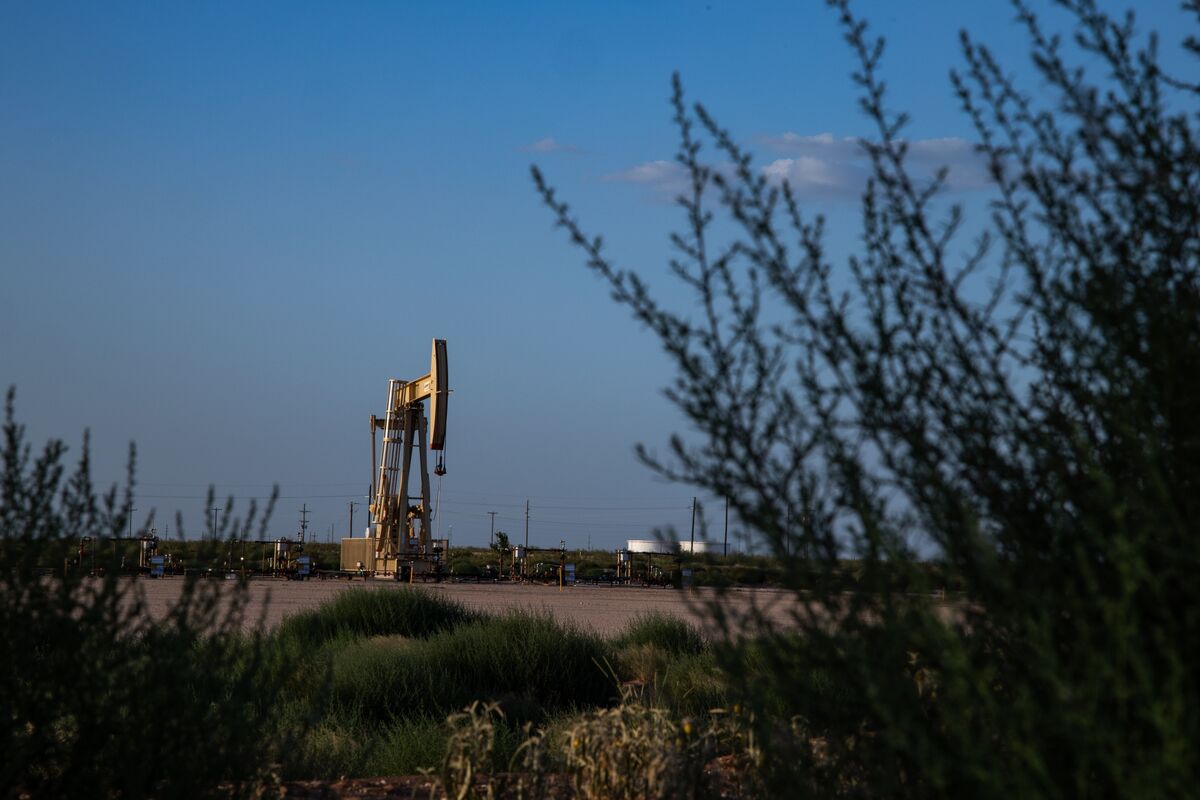
Oil was set for a second consecutive weekly gain, with WTI below $98 a barrel after rising 3% Thursday and Brent near $106. Middle East supply risks intensified after US Central Command said a container ship that sank in the Strait of Hormuz was struck by an Iranian projectile, while a fresh release of emergency reserves weighed in the opposite direction.
Analysis
The key transmission is not the incident headline itself but whether it changes expected deliverable barrels and the insurance, freight, and routing costs embedded in prompt pricing. A reserve release can soften outright prices, but it is a finite bridge and does not restore Gulf throughput; if physical availability tightens, prompt Brent spreads and regional crude differentials may signal stress before headline benchmarks do. That also creates second-order pressure on fuel buyers—airlines, shipping, and refiners with constrained feedstock flexibility—while US producers may benefit from stronger realized prices, subject to basis and transport constraints.
Near term (days), prices are likely to remain headline-sensitive around shipping updates and details of the IEA release. Over 1–3 months, the decisive evidence is sustained vessel disruption, insurance/freight costs, and inventory or time-spread behavior. Over 6–18 months, prolonged disruption could lift upstream investment incentives but also accelerate demand substitution and policy responses. The contrarian risk is treating one confirmed strike as proof of a lasting supply outage: if flows normalize, reserve supply and demand softness could unwind the risk premium quickly. The article does not establish the release's volume, timing, or destination, nor the scale of any continuing flow impairment; verify these before sizing exposure.
AllMind Terminal
AI-powered research, real-time alerts, and portfolio analytics for institutional investors.
Request TrialMarket Sentiment
Overall Sentiment
mildly positive
Sentiment Score
0.20
Key Decisions for Investors
- Prefer a defined-risk, short-dated Brent-linked call spread over an outright crude chase if shipping disruption is confirmed but reserve-release details remain unclear. Entry: on confirmation of continuing transit impairment, not solely on headline volatility. Risk: rapid normalization can erase the geopolitical premium; avoid adding if prompt spreads and freight indicators fail to tighten.
- Monitor Brent-versus-WTI and prompt time spreads as confirmation signals. A widening Brent premium or firmer backwardation alongside disrupted flows supports the supply-risk thesis; narrowing spreads and normalized vessel movements would falsify it. Do not infer sustained scarcity from benchmark prices alone.
- Avoid a broad energy-equity long as a direct substitute for crude exposure: XLE and upstream names carry equity-market, company-specific, and production-duration risks. Reassess only if higher prices persist into producer guidance and realized-price data.
- Watch airlines and other fuel-sensitive transport stocks as potential relative underperformers if crude risk premiums persist, but wait for evidence of sustained input-cost pressure before shorting; a quick reopening or demand weakness could reverse the move. Key missing checks are the IEA release's size and schedule, Gulf transit volumes, and fuel-cost hedging disclosures.
More News
- Brian Sullivan: Why the 'real' price of oil is likely $30-$40 higher than where it is now
- Treasuries Soar as Tech Slump Threatens Growth
- Faraday Copper completes acquisition of BHP’s San Manuel project
- Blackstone President Jon Gray Bets Big on AI Boom
- Suddenly, Wall Street is worried that the U.S. economy is more ‘vulnerable’ than it looks
- Ukraine to resume strikes on Russian refineries, shattering hopes of an 'energy ceasefire'
From AllMind Research
- Anthropic IPO Preview: Valuation, Timing, and What to Watch
- Shein After the IPO: Venue, Valuation, and What Must Be Proved
- What AI Research Tools Should a Small Hedge Fund Buy First?
- AI Tools for Private Equity Due Diligence: A Buyer Workflow
- Weekly Update: In-App Tutorials, Futures Data, and Watchlist Enhancements