
Democrats’ Midterm Wins Threaten to Slow the AI Data Center Boom
Source: Bloomberg
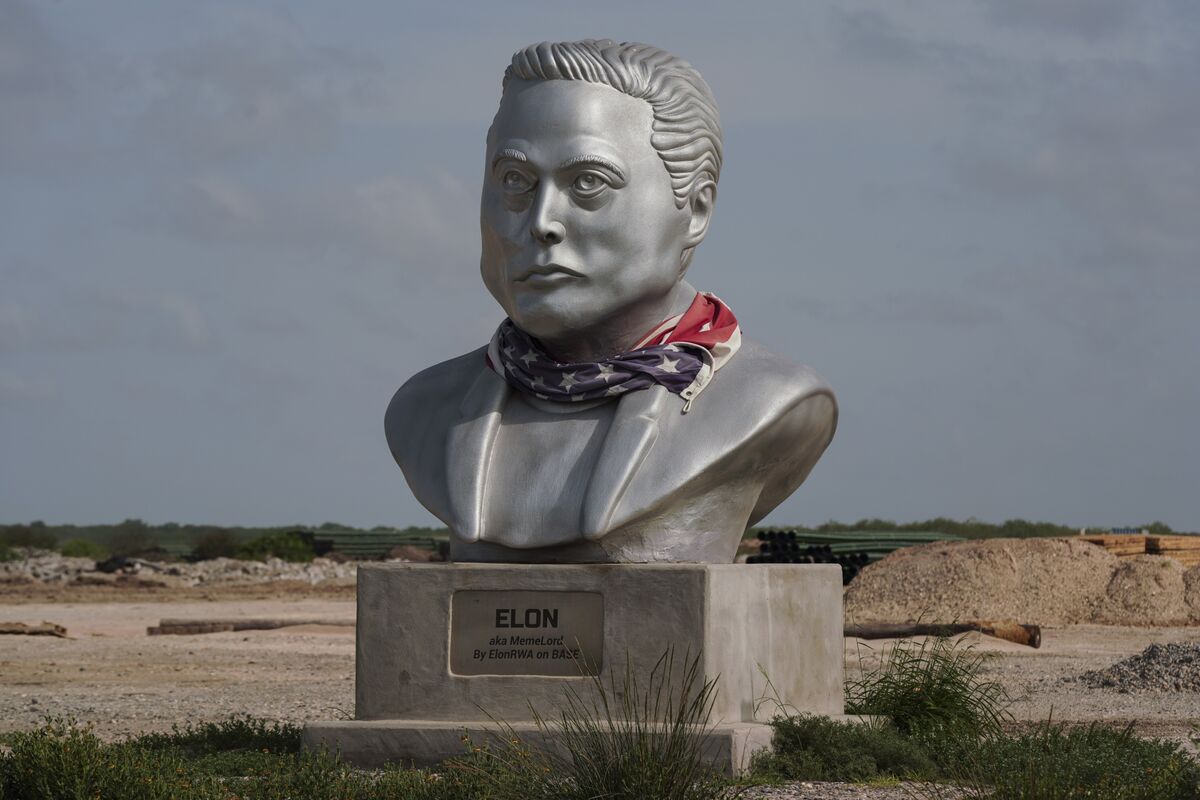
Democratic candidates who opposed rapid data-center expansion won in the US midterms, potentially creating new obstacles for AI companies seeking land, power and permits for buildouts. The results also delivered a political rebuke to technology leaders who backed Donald Trump; Tesla and SpaceX shares took an early hit after Elon Musk’s bet on Republicans failed to pay off, though no share-price magnitude was reported. The outcome adds uncertainty to the AI investment outlook as financial chiefs remain divided over whether promised gains will arrive at the scale and speed expected.
Analysis
The investable risk is a higher variance and potentially longer timeline for new US data-center capacity—not evidence that AI demand has rolled over. Local opposition can delay permits and grid connections, raising carrying costs and shifting projects toward sites with secured power, existing infrastructure, or more favorable jurisdictions. That favors operators able to reuse powered sites and makes announced capacity less valuable until permits and interconnection are secured. The second-order constraint is power: delays could redirect investment toward efficiency and utilization of existing facilities rather than simply canceling AI spending.
Electoral outcomes are not, by themselves, proof of a national policy change. The key 1–3 month catalysts are specific permitting decisions, local moratoria, and utility/interconnection timelines; the structural effect over 6–18 months depends on whether opposition spreads across jurisdictions. A reversal in permitting friction or continued project delivery would undermine the delay thesis.
The reported pressure on TSLA and SPCX appears more like political-positioning and sentiment risk than a demonstrated change to either company’s operating outlook. The article does not establish a direct data-center revenue or cost channel for either. Treating this as a broad AI-demand signal would conflate local infrastructure constraints with end-user economics. No fundamental short is warranted on this evidence alone.
AllMind Terminal
AI-powered research, real-time alerts, and portfolio analytics for institutional investors.
Request TrialMarket Sentiment
Overall Sentiment
mildly negative
Sentiment Score
-0.25
Ticker Sentiment
Key Decisions for Investors
- Avoid initiating a broad AI-equity short solely on the election result. Track project-level permits, utility interconnection commitments, and commissioning dates; escalate only if delays become widespread or major operators revise capacity plans.
- For AI infrastructure exposure, favor companies and projects with power secured and facilities already operating over speculative greenfield capacity. Verify project-level power access and permit status before expressing this preference through individual names.
- Do not extrapolate the political reaction into a fundamental TSLA or SPCX short. Reassess only if subsequent company-specific disclosures show changed demand, costs, or policy exposure; absent that, treat weakness as a sentiment watch item.
- Falsification signals for the delay thesis: permitting approvals and grid connections proceed on schedule, operators maintain buildout timelines, or opposition remains isolated. Evidence of recurring local restrictions and material schedule revisions would strengthen it.
More News
- A blue wave sends futures into the green
- Elon Musk’s record election bet backfired. The backlash may reach beyond one billionaire
- Raymond James raises Super Micro Computer price target on results
- Which sectors will benefit most and face pressure after Democratic sweep?
- AI stocks fall as Texas governor result raises data center risks
- Tesla and SpaceX shares drop after Elon Musk's election bet backfires