
MICROIP Secures Major US$20 Million Smart Residential Community Contract in Taiwan, Accelerating Edge AI Commercialization
Source: PR Newswire
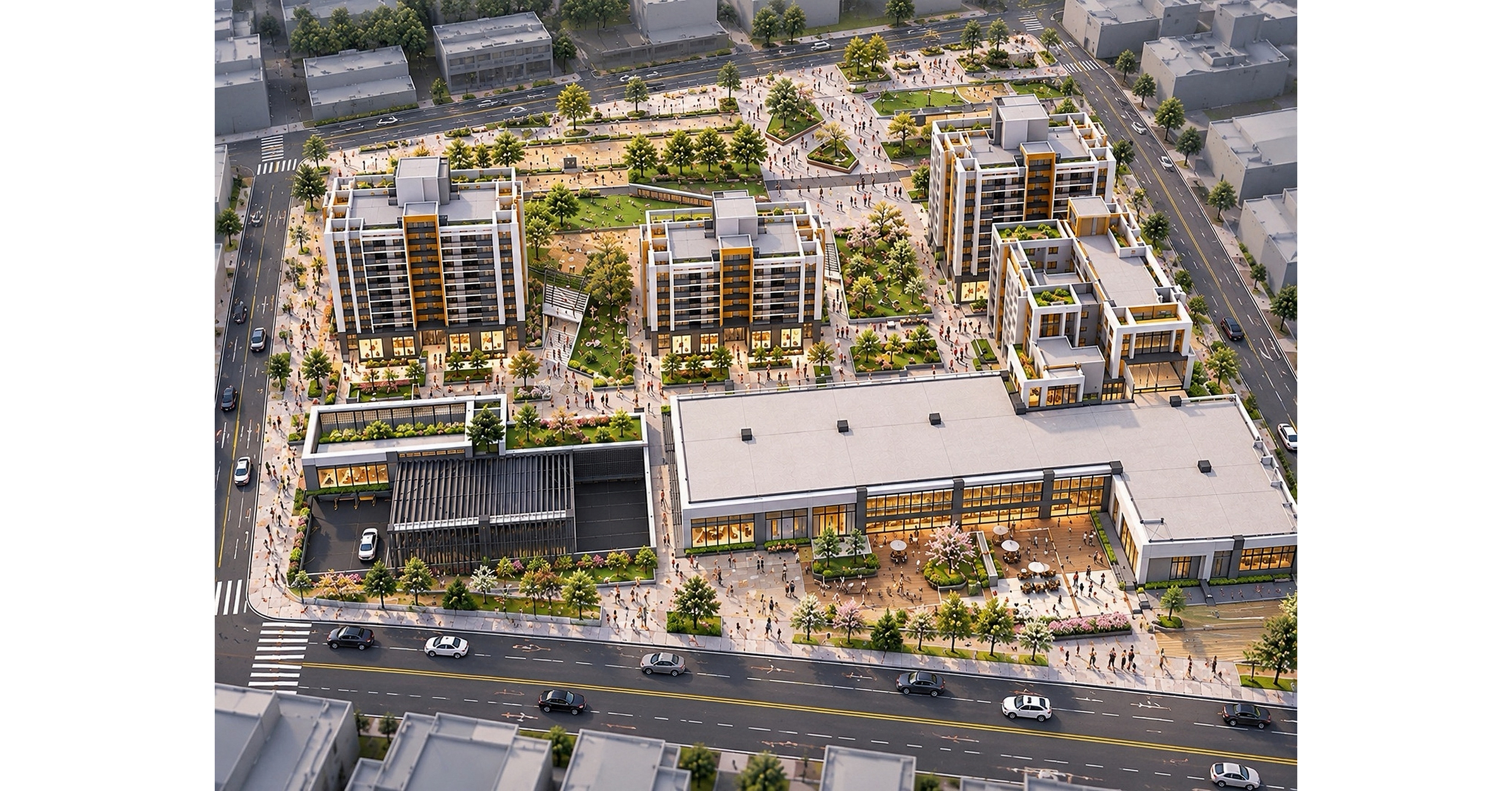
MICROIP secured a US$20 million, 36-month Edge AI system-integration contract for a smart residential development in Taiwan, with initial architecture planning beginning in October 2026. Revenue will be recognized progressively under IFRS 15's percentage-of-completion method, providing multiyear revenue visibility as project milestones are completed. The contract marks MICROIP's expansion beyond ASIC design into large-scale Edge AI integration for smart buildings, emphasizing on-device processing, energy management, AI vision and on-site data privacy.
Analysis
The investable issue is not the contract headline but whether MICROIP can convert from lower-risk design services into a systems-integration model without absorbing fixed-cost, procurement, warranty, and working-capital risk. Percentage-of-completion accounting makes reported revenue and margin highly dependent on management estimates of milestones, costs-to-complete, and customer acceptance; a single delayed integration stage can defer revenue while cash outflows continue. With the customer undisclosed and no contract margin, payment terms, performance bond, or capex disclosure, the announced value is not yet sufficient to underwrite an earnings upgrade.
Over the next 1-3 months, the likely catalyst is disclosure of backlog, gross-margin guidance, cash-collection terms, and subcontractor exposure rather than the project’s nominal value. Taiwan-listed peers in building automation, security integration, and industrial AIoT could see modest read-through, but large global vendors—Schneider Electric (SU.PA), Siemens (SIEGY), Honeywell (HON), and Johnson Controls (JCI)—are unlikely to be economically affected. The more relevant second-order beneficiary is Taiwan’s edge-compute component ecosystem if follow-on deployments require standardized local inference hardware; that thesis requires identifiable BOM suppliers before capital is committed.
Contrarian view: the market may initially assign an AI infrastructure multiple to what is operationally a bespoke project business. Bespoke smart-building deployments tend to have lumpy bookings, competitive tendering, and post-installation service obligations, so multiple expansion should require evidence that the architecture is reusable across sites and that recurring software/service revenue emerges. Over 6-18 months, successful replication would be meaningful; failure to disclose repeatable unit economics would argue for valuing the company on project-service peers rather than AI platform comps.
AllMind Terminal
AI-powered research, real-time alerts, and portfolio analytics for institutional investors.
Request TrialMarket Sentiment
Overall Sentiment
moderately positive
Sentiment Score
0.62
Key Decisions for Investors
- No immediate directional trade in MICROIP (7796 TT) until the company provides contract gross margin, payment schedule, expected 2027-29 revenue contribution, and cash-flow impact. Set an event-driven alert for the next results release; initiate only if backlog conversion and operating-cash-flow guidance corroborate reported percentage-of-completion revenue.
- If 7796 TT rallies more than 25% on the announcement without incremental margin or customer-concentration disclosure, consider a tactical short or underweight versus Taiwan technology exposure (long 0050 TT) over 1-3 months. Cover if management discloses a material recurring software component, upfront milestone payments, or additional independently named contracts.
- Monitor Taiwan edge-AI and building-automation suppliers for disclosed design wins rather than extrapolating from this project. A basket trade is warranted only after MICROIP identifies hardware/BOM partners and demonstrates deployment replication; absent that, supplier read-through is speculative.
- For global building-automation holdings, maintain existing positions in SU.PA, HON, JCI, and SIEGY; this is not a revenue-moving competitive event. Reassess only if similar edge-first specifications become a repeated Taiwan or broader Asia tender requirement, which could shift spend toward local integrators and compress legacy cloud/control-system attach rates.
More News
- Here’s the ‘core economic flaw’ in the AI bull case as stock and bond trades unravel, according to a top economist
- Biotech stocks are surging. How investors can play the new drug innovation boom
- AI funding fears rattle Wall Street. Here's how we're adjusting our portfolio
- Braskem creditors, shareholders near deal on $11bn debt restructuring
- Instacart reportedly discussed selling itself with DoorDash and Uber
- Nvidia's role as AI financier faces first big test as neoclouds take market hit