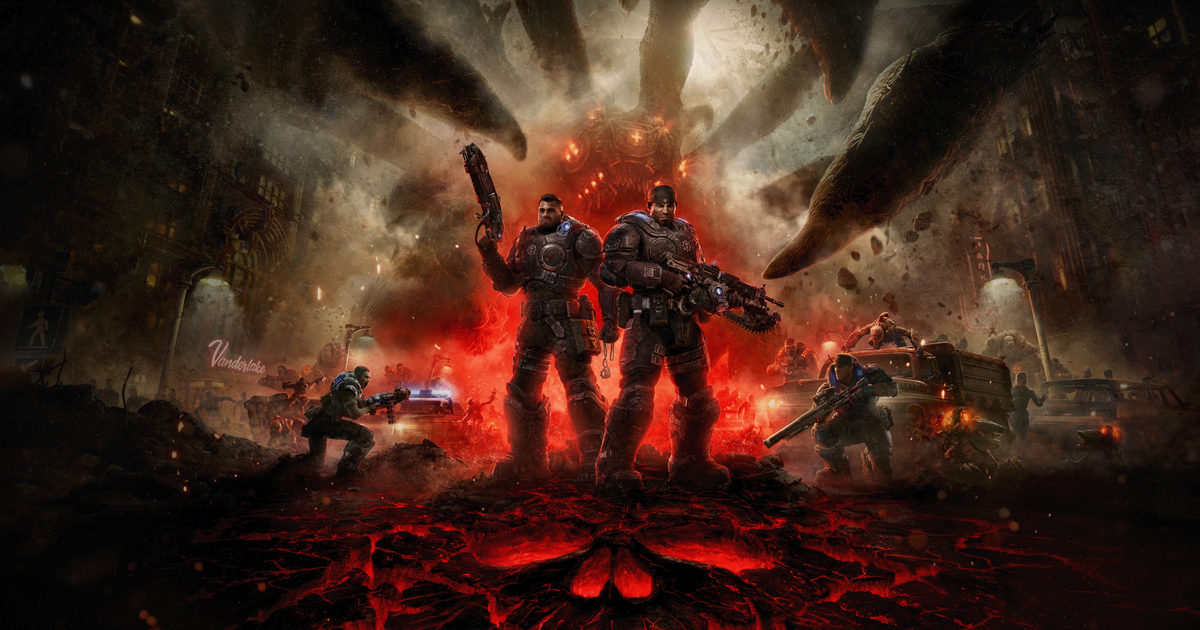
Xbox said future console exclusivity will be decided on a case-by-case basis, while Gears of War: E-day and Clockwork Revolution are confirmed as Xbox/PC exclusives and not timed exclusives. In contrast, new Hellblade and State of Decay titles, as well as Fable, are slated to launch on PS5 when released. The update clarifies Microsoft's platform strategy but is incremental and unlikely to move the broader market materially.
The strategic read-through is not about any single title; it is that Xbox is now explicitly optimizing for platform economics rather than blanket exclusivity. That usually improves near-term content monetization and addresses the installed-base problem at the cost of diluting the console’s hardware differentiation, which matters because the console business is increasingly a subsidy layer for subscriptions, digital spending, and ecosystem lock-in rather than a standalone profit pool.
Second-order, this is a competitive signal to Sony and the broader content market: Microsoft appears willing to use exclusivity selectively only where it believes the franchise can still move hardware or high-margin ecosystem engagement. That suggests future first-party releases may increasingly be screened by expected marginal console uplift versus cross-platform software sales, which is bearish for the long-run pricing power of the Xbox hardware stack but supportive for near-term revenue conversion on larger IPs.
The contrarian risk is that investors may over-interpret this as a pure concession to multiplatform reality. If the company can monetize a bigger addressable market while preserving a handful of tentpole exclusives, the net economics could improve even as Xbox brand purists complain. The main catalyst window is 6-18 months, when management’s case-by-case approach will be tested by the next wave of releases; any surprise change in exclusivity on a major franchise would be a sentiment event for the ecosystem and for any hardware-share expectations.
For public-market positioning, the most interesting angle is not a direct gaming stock trade, but relative winners in content distribution versus hardware monetization. The risk/reward favors owning the companies that benefit from broader software reach and recurring engagement, while being cautious on any assumption that exclusivity will sustainably defend console share in the face of cross-platform economics.
AI-powered research, real-time alerts, and portfolio analytics for institutional investors.
Request TrialOverall Sentiment
neutral
Sentiment Score
0.05
