
Čistá energie pro všechny: BLUETTI a UN-Habitat rozšiřují společné aktivity do Nigérie
Source: PR Newswire
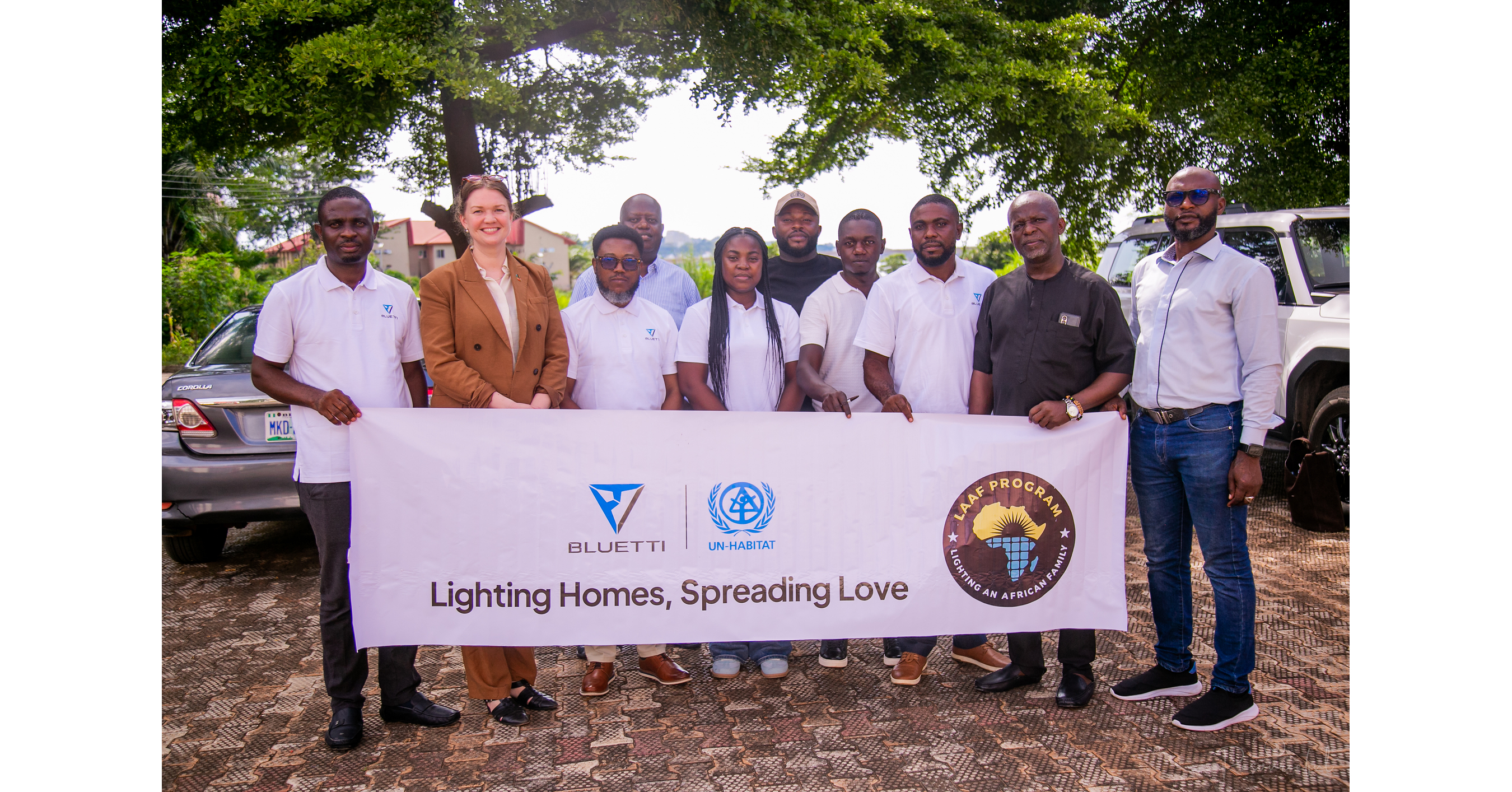
BLUETTI and UN-Habitat expanded their clean-energy access program to Nigeria, donating 230 solar lighting and energy-storage kits, including 180 kits to vulnerable households in Yelwata benefiting more than 1,000 residents. The partners' LAAF initiative has now supported over 60,000 people across Africa and expects to reduce carbon emissions by approximately 337.5 tonnes over five years. The initiative strengthens BLUETTI's social-impact and clean-energy presence in underserved African communities, though it is unlikely to materially affect public markets.
Analysis
This is not investable company-specific news: BLUETTI is privately held, the equipment deployment is immaterial to listed solar, battery, or inverter suppliers, and the release provides no contract value, financing commitment, unit economics, or repeat-purchase evidence. The primary near-term read-through is reputational rather than revenue-generative; listed clean-energy equities should not re-rate on it.
The potentially relevant structural signal is that distributed solar-plus-storage remains a more economically viable substitute for unreliable grid power than centralized electrification in parts of sub-Saharan Africa. Over 6-18 months, that favors suppliers with low-cost modular systems, local distribution, and service networks—not necessarily premium residential-storage brands. Potential beneficiaries include JinkoSolar (JKS), Canadian Solar (CSIQ), and Sungrow (300274.SZ), but only if project-finance availability and local-currency collection mechanisms improve.
The contrarian point is that donated systems can distort apparent demand: pilot installations create visibility but do not establish willingness or ability to pay. Nigeria's FX volatility, import restrictions, customs delays, and weak consumer credit are likely to absorb much of the gross-margin opportunity for hardware vendors. A material investable catalyst would be a disclosed multiyear procurement framework, development-finance guarantee, or pay-as-you-go financing partnership with volumes sufficient to affect a listed supplier's backlog.
For the next 1-3 months, treat announcements involving African off-grid deployments as sentiment inputs only. Upgrade the theme only if mobile-money repayment data, subsidy funding, or utility tariff reform demonstrates that installations can convert into recurring commercial demand; absent that, broad solar-equipment pricing and developed-market inventory normalization remain far more important drivers of JKS and CSIQ earnings.
AllMind Terminal
AI-powered research, real-time alerts, and portfolio analytics for institutional investors.
Request TrialMarket Sentiment
Overall Sentiment
moderately positive
Sentiment Score
0.42
Key Decisions for Investors
- No standalone trade on this release; do not chase renewable-energy beta through TAN or ICLN, where the news has no measurable EPS or cash-flow transmission mechanism.
- Place a 6-12 month watch on JKS and CSIQ for disclosed African distributor agreements backed by development-finance guarantees or pay-as-you-go receivables. Consider long exposure only after verifiable backlog and gross-margin guidance; without those data, emerging-market volume can be low-quality revenue.
- For existing solar-equipment longs, require evidence that Africa growth is funded in hard currency and does not extend working-capital cycles. A rise in receivables or inventory days alongside emerging-market shipment growth would falsify the margin-accretion thesis.
- Monitor Nigerian FX policy and import-duty changes over the next 3 months as gating catalysts for distributed-energy adoption; a sharp naira depreciation or tighter import controls would favor local service operators over imported hardware vendors and weaken any supplier thesis.
More News
- China’s tech darlings are losing their shine. Here’s what’s behind the sell-off
- Can Southeast Asia pitch itself as an ‘all-in-one’ chip hub?
- SK Hynix says the memory-chip shortage will last until 2030—and more than half its production is booked for the next two years
- Lula's Brazil Election Win Deepens Latin America Stock Fund Collapse
- Trump methane policy rollback may have minimal impact on crude prices, EPA says
- Apple unveils MacBook Pro with touchscreen OLED display