
ITALY, ECOMONDO 2026: CIRCULAR ECONOMY DRIVEN BY INNOVATION AND INTERNATIONAL COOPERATION
Source: PR Newswire
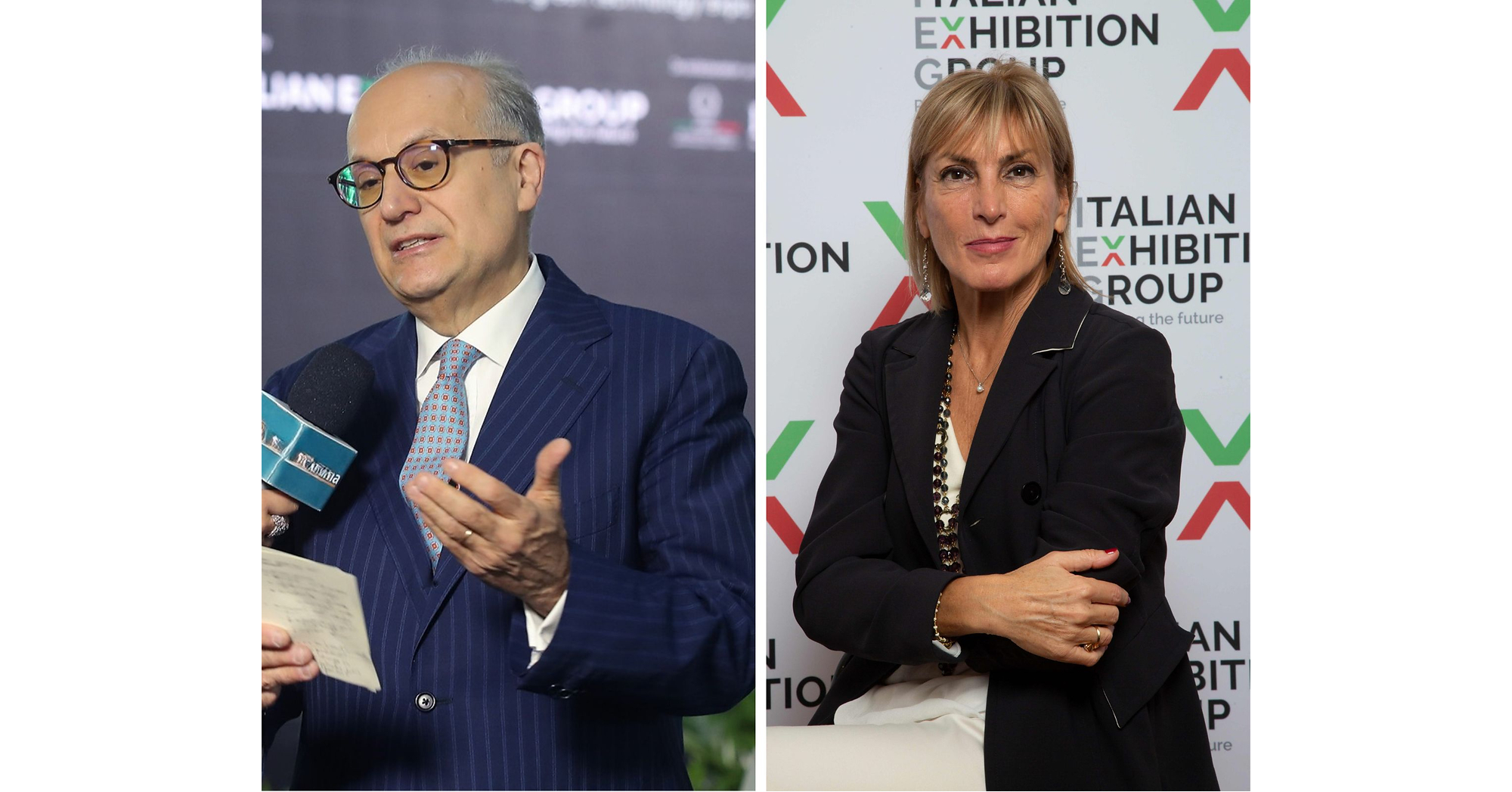
Ecomondo 2026 will be held in Rimini on 3-6 November, targeting about 1,800 exhibiting brands, including a 10% increase in international exhibitors, and more than 1,000 hosted buyers. The circular-economy event will host over 70 conferences focused on the proposed European Circular Economy Act, packaging and waste regulation, textile recycling, bioenergy, water management, and sustainable finance. Programming also emphasizes green investment and international cooperation with Mediterranean and African countries, including the 6th Africa Green Growth Forum.
Analysis
IEG’s value is not the circular-economy narrative itself but the conversion of policy-led industry fragmentation into recurring exhibitor, sponsorship and hosted-buyer revenue. A larger international mix can lift revenue per square metre and ancillary margins (travel, digital lead generation, advertising), but government-supported buyer programs create some funding dependence rather than purely organic demand. With low stated impact and no disclosed booking, pricing, or EBITDA data, this is not yet an earnings-revision catalyst.
The more investable read-through is a 6-18 month procurement pipeline for European waste, packaging, textile-recycling, water-treatment and bioenergy equipment. Regulatory implementation tends to favor scaled compliance providers over early-stage recycling technologies: Veolia (VIE.PA), Tomra (TOM.OL), Befesa (BFSA), and Aliaxis-related water infrastructure suppliers should benefit only when municipal tenders, EPR fee schedules, and capex awards become observable. Packaging producers and converters face the opposite asymmetry if recycled-content mandates tighten before pass-through mechanisms are established.
Consensus may overvalue conference attention as evidence of near-term capital deployment. Circular-economy projects remain vulnerable to weak recycled-material pricing, high financing costs, and uneven member-state transposition; those constraints can delay equipment orders despite favorable policy rhetoric. For IEG, the near-term catalyst is November attendance and exhibitor monetization, while the key falsifier is evidence that international exhibitor growth is offset by lower yield, elevated hosted-buyer costs, or a weak forward-booking signal for 2027.
AllMind Terminal
AI-powered research, real-time alerts, and portfolio analytics for institutional investors.
Request TrialMarket Sentiment
Overall Sentiment
mildly positive
Sentiment Score
0.28
Ticker Sentiment
Key Decisions for Investors
- No immediate directional trade in IEG on this release; place an alert for post-event disclosure of 2026 exhibitor yield, international mix, and 2027 contracted bookings. Upgrade only if revenue per exhibitor/area and EBITDA guidance imply operating leverage rather than subsidized volume growth.
- Over the next 3-9 months, screen long VIE.PA, TOM.OL and BFSA against European industrial cyclicals only after EU Circular Economy Act implementation produces named tenders or binding EPR/recycled-content schedules. Target 10-15% upside from order-book revisions; exit if project awards slip two quarters or recycled commodity prices deteriorate further.
- For a policy-risk hedge, consider a basket short of European packaging converters with limited recycled-content pass-through versus long VIE.PA after regulation becomes binding. The thesis fails if compliance costs are fully recovered through pricing or implementation is materially delayed at national level.
More News
- US to send third aircraft carrier towards Iran: US official to Al Jazeera
- U.S. market regulator seeks to make it easier for funds, advisers to hold crypto
- Trump says US may ask Europe to release diesel reserves
- Latin America most exposed to any US ban on diesel exports, Goldman Sachs says
- Trump launches midterms campaign blitz amid record low approval ratings
- Oil holds gains as U.S. weighs more Middle East military presence