
Micron's stock rises after SK Hynix earnings. Here's its next major test.
Source: marketwatch.com
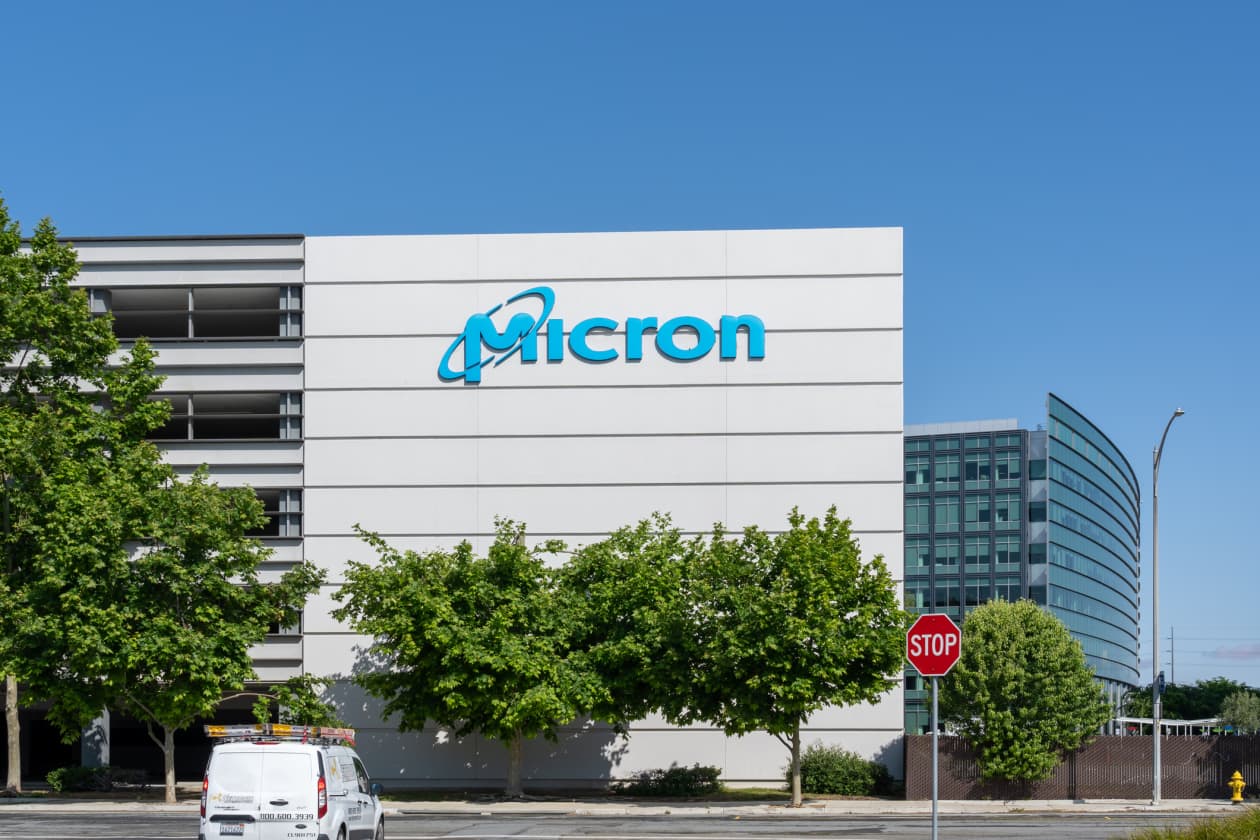
Micron shares rose Wednesday after SK Hynix reported earnings and projected that the memory-component shortage will persist through 2030, lifting optimism in the memory-chip sector. Samsung’s results are the next major barometer for whether the recovery from recent lows can continue.
Analysis
The read-through is positive for MU, but the key distinction is whether scarcity is concentrated in high-bandwidth memory or broadening across DRAM and NAND. A shortage forecast through 2030 is a company outlook, not proof that all memory products will remain tight; product mix, customer qualification and capacity additions determine how much reaches MU’s realized pricing and margins. If supply is constrained mainly in specialized products, broad memory-sector enthusiasm may outrun MU’s earnings sensitivity.
Near term, MU is exposed to sector beta and positioning after the rebound; the next 1–3 month test is whether Samsung’s results and commentary corroborate demand, pricing and supply discipline across products—not just a long-dated shortage narrative. Over 6–18 months, stronger pricing can support cash generation, but it can also incentivize capacity investment and eventually reverse the cycle. The asymmetry is that near-term optimism can be priced quickly while new supply takes longer to show up in reported results. Treat the 2030 outlook as a scenario to verify against subsequent capex and customer demand, not a valuation anchor.
AllMind Terminal
AI-powered research, real-time alerts, and portfolio analytics for institutional investors.
Request TrialMarket Sentiment
Overall Sentiment
mildly positive
Sentiment Score
0.35
Ticker Sentiment
Key Decisions for Investors
- Keep MU on a constructive watchlist, but avoid chasing a sympathy move solely on SK hynix commentary. Reassess after Samsung reports: look for corroboration on product-level pricing, demand and supply additions.
- Potential tactical expression: consider a small MU position on a pullback, sized as a cyclical exposure rather than a structural shortage bet. Falsify the thesis if MU’s next guidance or reported pricing fails to confirm improving conditions, or if peers signal materially looser supply.
- Track whether tightness extends beyond specialized memory into broader DRAM and NAND, and monitor supplier capex and customer qualification data. Without that evidence, do not extrapolate the 2030 claim to the whole memory market.
- If Samsung commentary diverges from SK hynix, treat that as a warning that the shortage may be product- or company-specific; reduce sector exposure rather than assuming the most optimistic outlook applies to MU.
More News
- SK Hynix says the memory-chip shortage will last until 2030—and more than half its production is booked for the next two years
- Asian shares fall as Alphabet earnings miss drags Wall St futures lower
- Wall Street looks past Fed pause to tech earnings and AI rebound
- U.S. stock futures drop as Alphabet slides on soft earnings, Microsoft firms
- Fed chairman talks tough on inflation — plus, what's behind Micron's big rally
- Countdown to Fed, Tech Earnings