
Dan Shapiro's "Decoding Genius" Hits USA TODAY Best-Selling Books List
Source: PRWeb
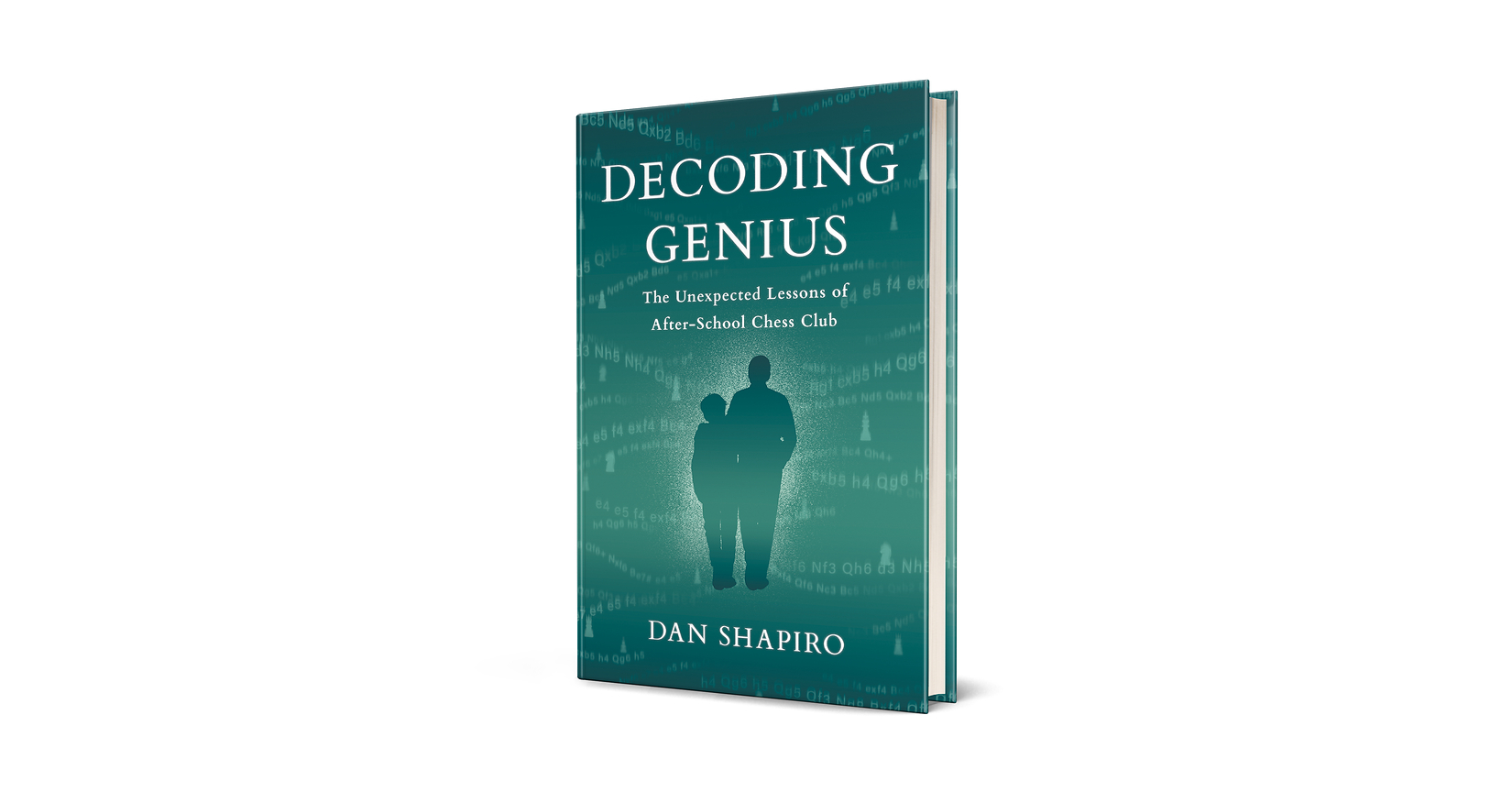
Dan Shapiro’s newly released book, "Decoding Genius: The Unexpected Lessons of After-School Chess Club," entered USA TODAY’s Best-Selling Books list in its launch week, ranking among the top 100 nationwide. The book highlights chess as a tool for children’s confidence, focus, resilience, and decision-making, and also connects mental performance concepts to topics including artificial intelligence and strategic training. The news is a publishing milestone with no material market or financial impact indicated.
Analysis
This is a branding event, not a fundamental one. Bestseller-list placement can extend the sales tail for a self-published or lightly distributed title, but the revenue base is too small to matter for public-market pricing; the more important economic variable is whether the author converts attention into recurring channels like speaking, consulting, or a media/newsletter audience. In that sense, the only real winner is the author’s future monetization optionality, not any listed company.
The second-order read-through is to the niche intersection of parenting, education, and “mental performance” content, where distribution can be driven by algorithmic discovery rather than traditional publishing. That favors platforms that monetize attention at scale, but the impact on AMZN, BNED, or any education/edtech name is effectively immaterial unless the title becomes a breakout franchise with sustained rank and notable review velocity over several weeks.
From a market perspective, this is not a tradable AI or technology signal despite the thematic label. If anything, it is a reminder that consumer interest in cognitive-performance narratives is sticky, but that does not translate into enterprise spending or hardware demand. The contrarian view is that the move is likely overinterpreted as a success metric; bestseller lists are lagging indicators of marketing execution, not proof of durable demand.
Catalyst-wise, the only thing to watch is whether the book becomes a longer-lived social-media object that supports downstream paid media appearances. Falsification is simple: if rank slips quickly and no adjacent monetization follows, the event fades into noise within days to weeks. There is no obvious 1-3 month or 6-18 month public-equity implication worth positioning around.
AllMind Terminal
AI-powered research, real-time alerts, and portfolio analytics for institutional investors.
Request TrialMarket Sentiment
Overall Sentiment
neutral
Sentiment Score
0.10
Key Decisions for Investors
- No trade: treat this as non-investable noise for public equities; the expected P&L impact on TDAY, AMZN, or education proxies is effectively zero.
- Watch item only: monitor whether the title sustains momentum for 2-4 weeks and whether the author converts attention into paid speaking/media, which would be the only plausible monetization bridge.
- If forced to express a view, avoid chasing any consumer-discretionary or edtech sympathy move; sell rallies in small-cap education names only if they gap on unrelated self-help/media headlines.
- Set an alert for repeat-best-seller status or notable social amplification; absent that, classify as a short-duration publicity event rather than a durable commercial signal.
More News
- The irony of OpenAI crying foul over spying
- Order to limit Starshield for Ukraine came from inside White House: Reuters reports
- CoreWeave credit default swaps hit distress levels as investors sour on AI debt
- Taiwan to curb AI chip sales to China for more U.S. alignment- Bloomberg
- Giant Taiwanese chipmaker TSMC confirms it’s in talks with Elon Musk to join ‘Terafab’ complex in Texas: ‘The AI market continues to be very strong’
- The Tesla Roadster 2 Is Here—and It Flies