
Amtrak Pacific Surfliner pone el foco en la seguridad de las bicicletas, las bicicletas eléctricas y los patinetes durante el Mes de la Seguridad Ferroviaria
Source: PR Newswire
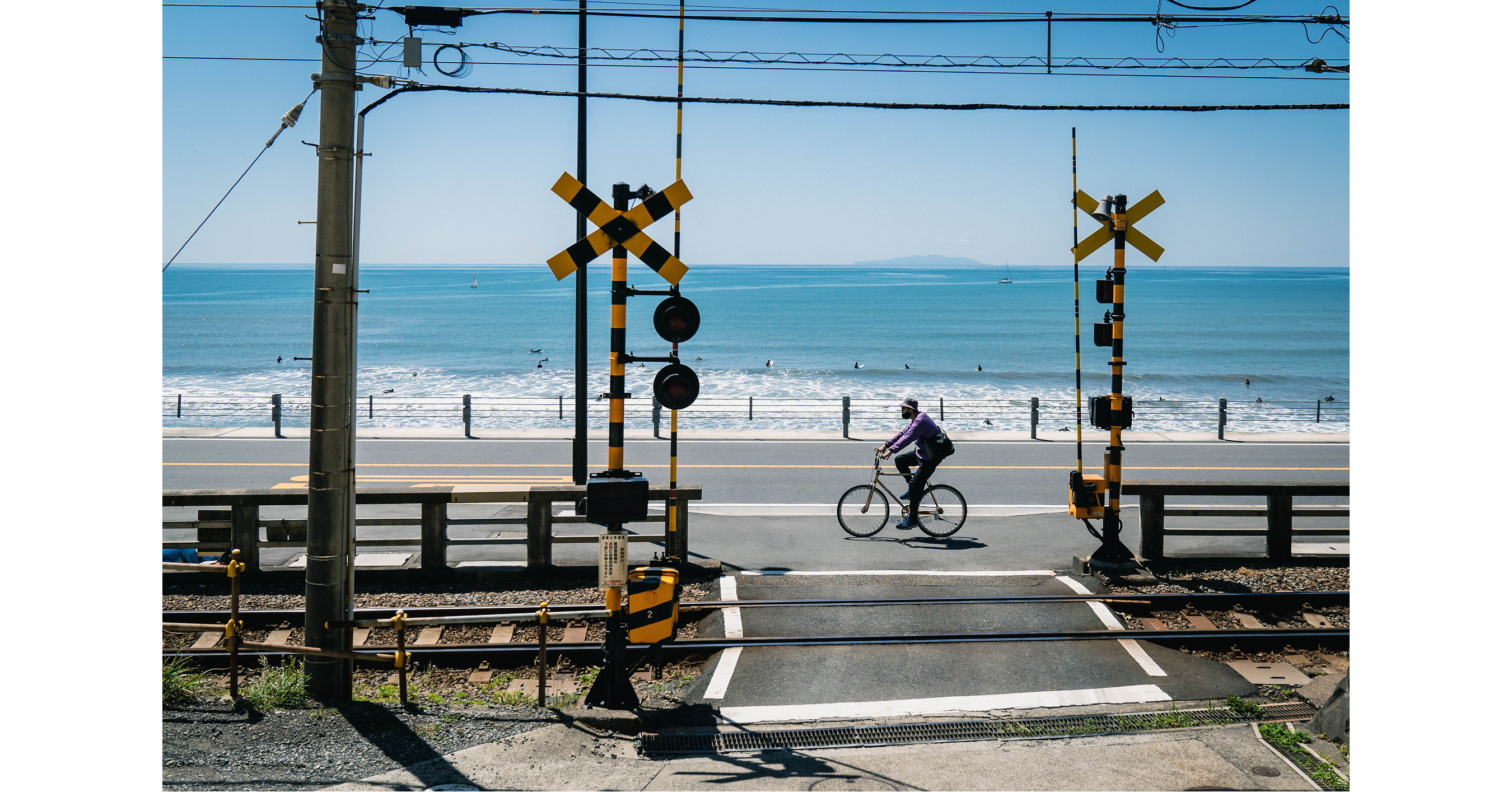
Amtrak Pacific Surfliner launches a September Rail Safety Month campaign focused on bicycles, e-bikes, and scooters, using community art installations and QR codes at multiple SoCal stations. The article cites U.S. CPSC estimates (2017–2024) of 155,200 ER visits and 310 recorded deaths linked to e-bikes, with 59,200 ER visits in 2024, and ~380,000 ER visits nationwide for electric scooters (2017–2024). It also notes Rady Children’s Health data showing e-bike–related injuries rising from 1 patient (2021) to 201 patients (2025), prompting new local rules. Overall, this is a public-safety/education initiative with limited direct financial market impact.
Analysis
This is a signaling event, not an earnings event. The economic impact is likely zero for Amtrak, but the policy drift matters: repeated safety messaging around station access can become a pretext for tighter enforcement, geofencing, or platform bans that raise friction for e-bike/e-scooter users at transit nodes. That would modestly reduce micromobility utility as a first/last-mile solution and could shift some trips back toward ride-hail or parking-heavy access modes.
The only plausible public-market beneficiaries are indirect and small: rail-safety signage, crossing protection, and wayfinding vendors could see incremental municipal interest if this evolves from outreach into capex. For listed rails, any benefit is mostly lower incident risk and fewer service disruptions, which is too incremental to model unless there is a measurable decline in trespass/strike events over several quarters. The bigger second-order effect is reputational: transit agencies want to be seen as proactive on safety, so a successful campaign here could be replicated across California corridors.
Contrarian view: the consensus may dismiss this as soft PR, but that misses the sequencing risk. If local school districts and police departments start codifying these behaviors into enforceable rules over the next 1-3 months, the real winner is not the rail operator but the regulators and potentially ride-hail substitutes; the loser is micromobility adoption around stations. Falsifier: if September incident data do not improve or no ordinances follow, the story fades quickly and should not be traded.
AllMind Terminal
AI-powered research, real-time alerts, and portfolio analytics for institutional investors.
Request TrialMarket Sentiment
Overall Sentiment
neutral
Sentiment Score
-0.05
Key Decisions for Investors
- No immediate trade in public equities: this is a low-impact safety campaign, not a measurable revenue catalyst. Reassess only if California municipalities publish enforceable station-area micromobility rules within 30-90 days.
- Use UBER as a conditional proxy long only if multiple LOSSAN cities tighten e-bike/e-scooter access near stations; the thesis is a modest modal shift from micromobility to ride-hail, with low conviction and small sizing.
- Avoid shorting broad rail names on this headline; there is no evidence of fare pressure or capex demand destruction. Any effect on UNP/NSC/CSX is too indirect and slow-moving to express here.
- Set a watch item on California ordinance flow and incident data for the next 1-3 months. If enforcement language appears, consider a small long in rail-safety/crossing-protection suppliers on confirmation only, not anticipation.
More News
- AI Capex, Gamble or Jackpot?: Market Snapshot
- Indonesia stocks suffer biggest daily slump since 1998 as MSCI weighs downgrade
- ‘I told you so’: China’s chip sector is making breakthroughs—and U.S. export controls are the reasons why
- UK's Healey Plans to Raise Bank Taxes
- One Singapore ship was sunk, but here's why others are still transiting the Strait of Hormuz
- Order to limit Starshield for Ukraine came from inside White House: Reuters reports