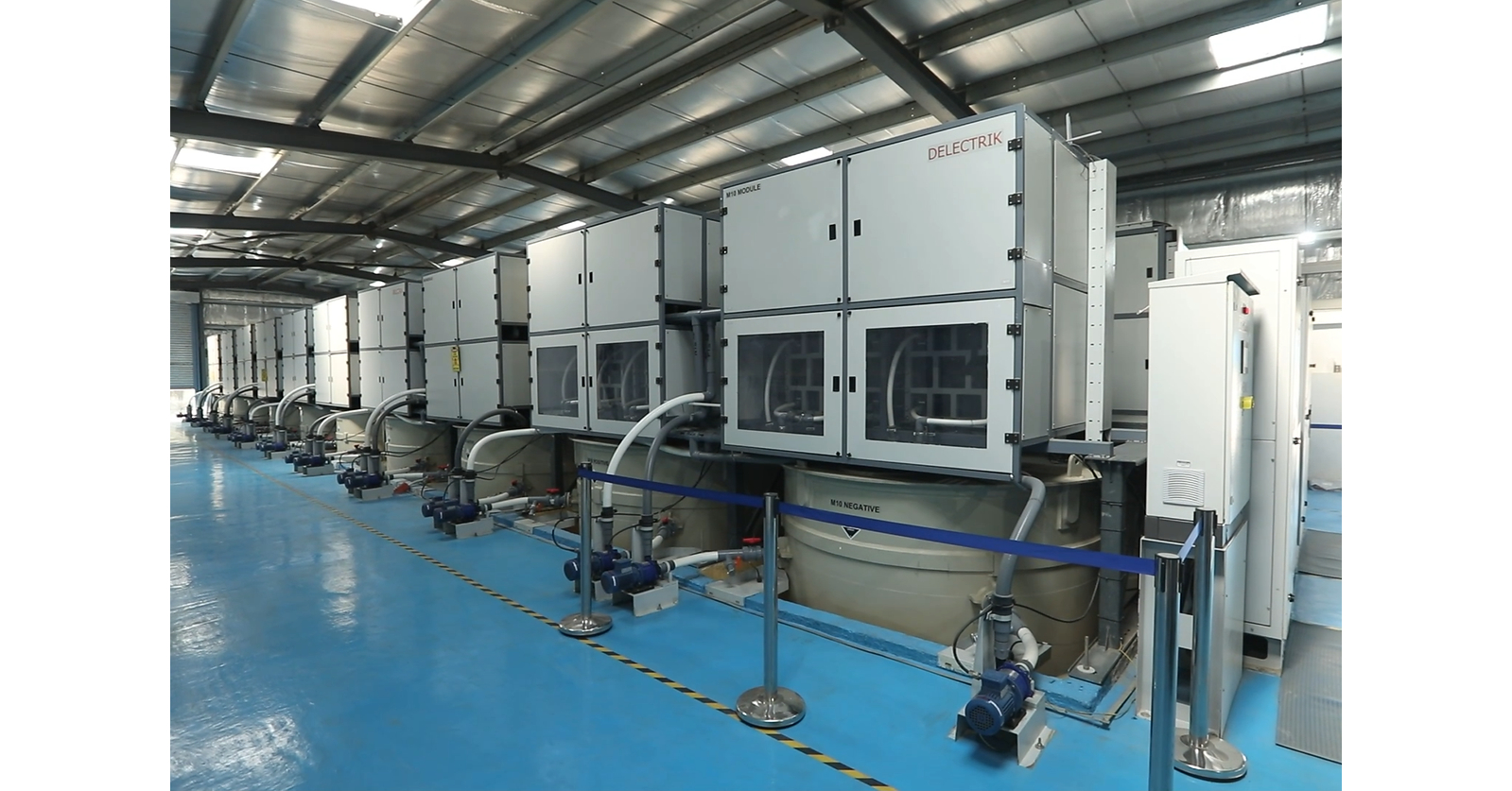
Delectrik Systems fue seleccionada para desplegar en India la primera batería de flujo redox de vanadio a escala industrial por 100 MWh, con implementación prevista en 2027 en el Parque Solar de Khavda (objetivo: 30 GW para 2029). El proyecto fue adjudicado por NTPC Renewable Energy Limited (filial de NTPC), que busca 60 GW de renovables dentro de su meta total de 149 GW en 2032. La noticia refuerza el avance de almacenamiento de larga duración no basado en litio para integrar renovables a gran escala y posiciona a Delectrik para una cartera objetivo de al menos 1 GWh en 12 meses.
This is less an earnings event than a policy-validation milestone for long-duration storage. In India, where solar buildout is outrunning firming capacity, the first bankable non-lithium utility deployment can matter more for valuation than the project size itself because it lowers perceived technology risk for future tenders. The real read-through is to state-backed developers and grid owners that can bundle storage into large renewable parks; the benefit is option value, not near-term P&L.
The second-order winners are the upstream and integration layers that can localize supply chains: EPCs, controls, vanadium processing, and domestic manufacturing content. If the procurement path proves repeatable, the addressable market shifts from one-off pilots to multi-award frameworks, which would help Indian incumbents with execution credibility and hurt imported lithium-only vendors that compete primarily on upfront $/kWh rather than duration and cycle life. That said, one project does not create a vanadium supercycle; spot demand is too small unless follow-on awards cluster quickly.
The key risk is that economics, not engineering, decide the next tranche: if capex, efficiency, or financing cost disappoint, buyers will revert to cheaper lithium-ion. Near term, watch for additional utility tenders and C&I storage-as-a-service contracts over the next 1-3 months; the structural test is whether this becomes a procurement template over 6-18 months. Consensus may be overstating how disruptive this is to lithium—this is probably more additive to total storage demand than substitutive at scale, at least until project finance proves it can beat lithium on fully loaded cost.
AI-powered research, real-time alerts, and portfolio analytics for institutional investors.
Request TrialOverall Sentiment
moderately positive
Sentiment Score
0.35
