
The 3 questions every AI investor needs to ask right now
Source: MarketWatch
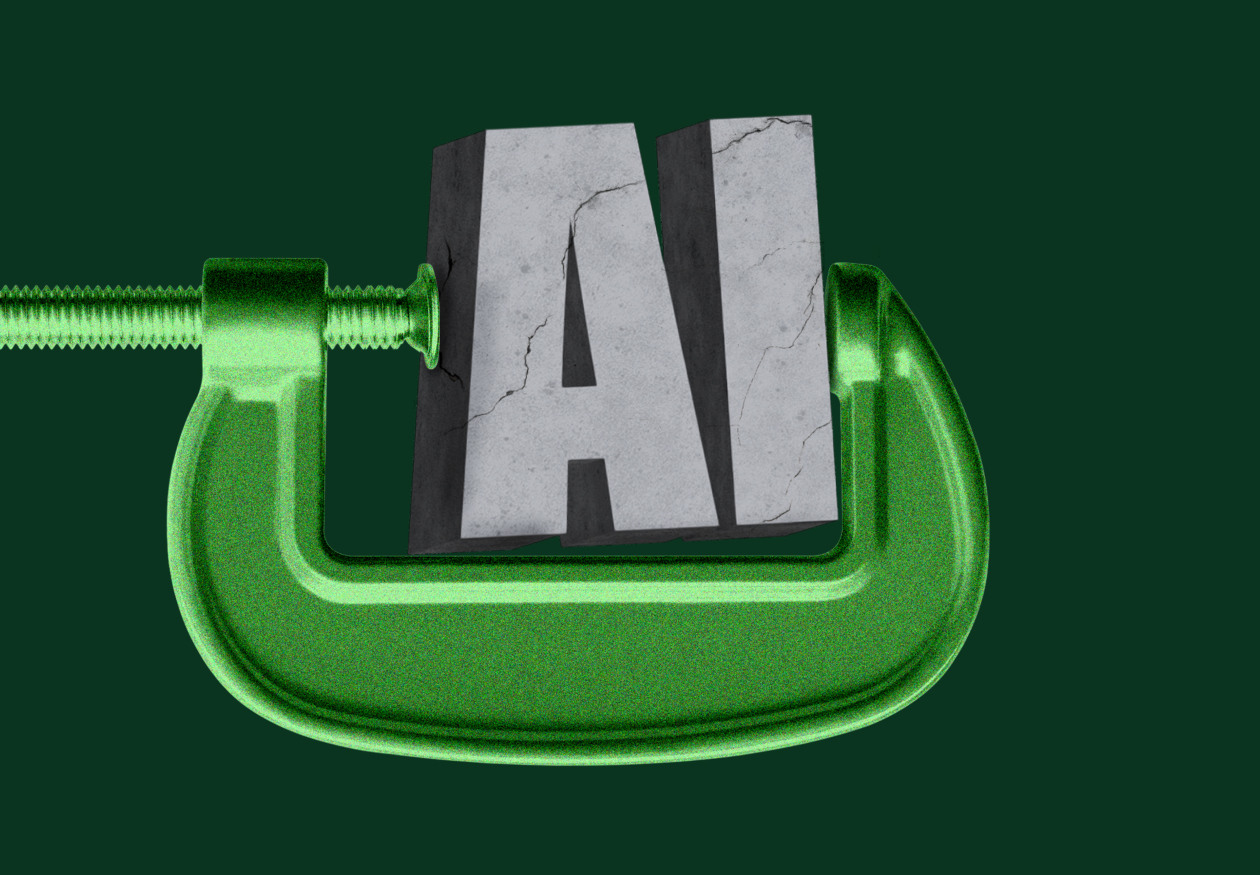
The article cautions that owning Nvidia, CoreWeave and Vertiv may create concentrated exposure to data-center spending despite their different businesses. All three can benefit from the same investment cycle, so the apparent diversification may not reduce exposure to a slowdown in data-center investment.
Analysis
The portfolio risk is less “AI exposure” than sensitivity to the marginal data-center dollar. A capex pause can hit all three positions together, but through different transmission channels: chip demand expectations can reprice quickly; rented-compute economics depend on utilization and customer demand converting capacity into cash flow; infrastructure orders may lag build decisions and then persist through installation cycles. Correlation is therefore likely to rise in a risk-off move even when near-term fundamentals diverge.
The key second-order risk is a feedback loop: weaker end-user monetization pressures cloud and AI budgets, which can slow new capacity commitments; lower expected utilization then makes incremental compute less attractive, while delayed builds defer equipment demand. Conversely, constrained power availability could delay deployments without eliminating eventual demand, shifting timing rather than necessarily cancelling spend.
The contrarian point is that the three names are not interchangeable bets. A capex headline alone is insufficient: investors should distinguish actual spending from announced plans, and track utilization/customer concentration for compute lessors, chip demand and supply, and infrastructure order conversion. The supplied information does not establish valuation, leverage, or consensus positioning, so it does not support a directional single-name call. Near term, shared-cycle exposure argues for tighter aggregate sizing; over 1–3 months, capex guidance and utilization data are the discriminators; over 6–18 months, power constraints and customer monetization determine whether spending produces durable returns or excess capacity.
AllMind Terminal
AI-powered research, real-time alerts, and portfolio analytics for institutional investors.
Request TrialMarket Sentiment
Overall Sentiment
neutral
Sentiment Score
0.00
Key Decisions for Investors
- Treat CRWV, NVDA, and VRT as one correlated data-center-capex risk bucket for portfolio limits, rather than counting them as three independent diversifiers. Reduce gross exposure or hedge the basket if the portfolio is already materially long AI infrastructure.
- Avoid adding to all three on broad AI enthusiasm alone. Before increasing exposure, verify hyperscaler capex guidance and realized spending, CRWV capacity utilization and customer concentration, NVDA demand indicators, and VRT order-to-revenue conversion; these data are not provided here.
- For a 1–3 month alert, reassess the basket if major cloud buyers defer or cut capex, or if compute utilization weakens. Such evidence would challenge the demand-to-capacity thesis; sustained spending and healthy utilization would falsify the bearish trigger.
- No standalone directional trade is warranted from this article. If a hedge is needed, use a defined-risk hedge on the portfolio’s AI/data-center exposure rather than assuming one of these companies will reliably offset the others.
More News
- US tech stocks tumble as investors fret over AI spending
- AI debt and French bonds face a stress test — why it may not be over
- SK Hynix shares slide after chipmaker scraps Solidigm IPO plans
- 10-year Treasury yield tumbles below 5% to lowest level in nearly a month
- OpenAI nears up to $30 billion funding round at $1.25 trillion valuation led by UAE investors
- The perfect storm behind the Nasdaq's rout — plus, some of the bright spots in the market