
Tuning Out Trump’s Iran Talk Defines the New Oil Trade
Source: Bloomberg
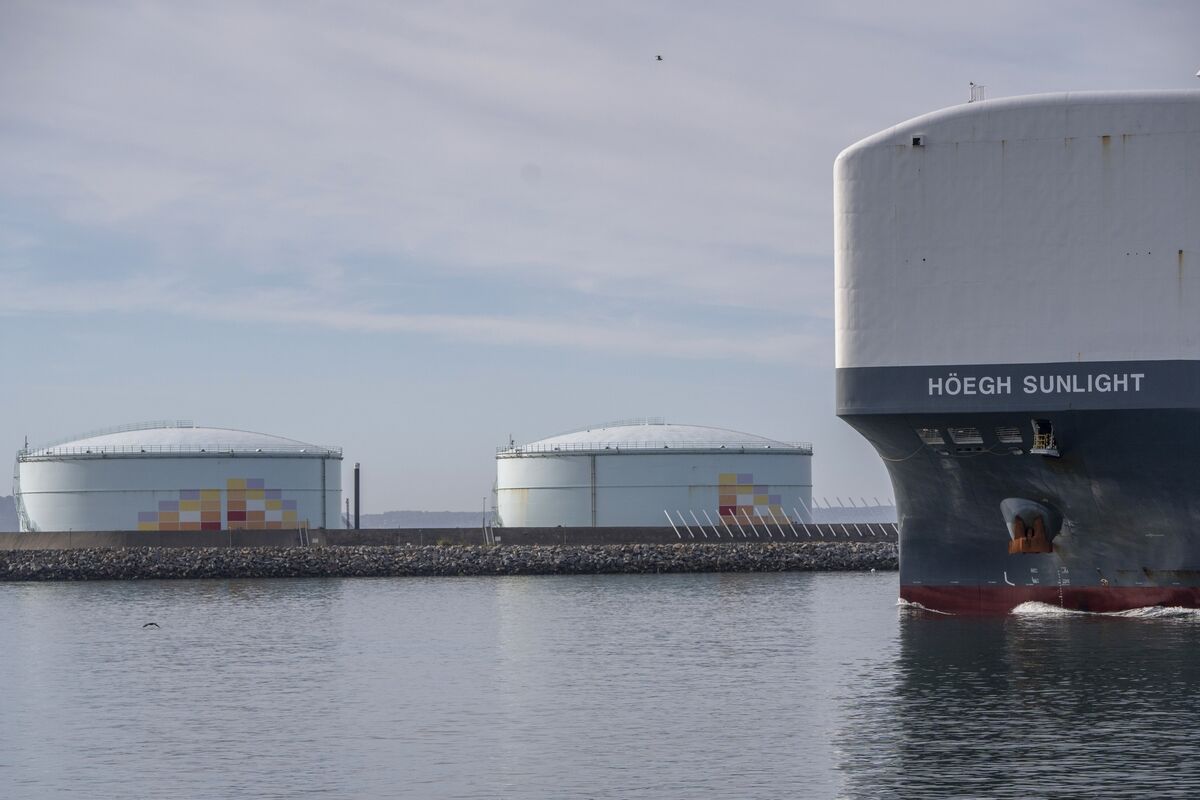
Brent crude rose above $105 a barrel amid signs of Middle East escalation. Oil traders are increasingly discounting President Donald Trump’s rhetoric after months of headline-driven volatility and focusing instead on evidence of changes in physical supply and cargo flows.
Analysis
The key shift is in the market’s evidence threshold, not in geopolitical risk: rhetoric alone may have less durable price impact, while confirmed loss of export capacity, tanker access or insurance coverage can reprice prompt barrels abruptly. That creates a two-sided setup. If cargo flows remain intact, a headline premium embedded in the front of the curve can unwind; if physical disruption emerges, reduced sensitivity to rhetoric may leave positioning unprepared for a sharp backwardation move. The latter is the non-linear risk.
Near term, avoid chasing outright crude strength without confirmation in loadings, shipping constraints and prompt time spreads. Over 1–3 months, sustained physical tightness would support upstream producers and pressure fuel-intensive businesses, including airlines and transport; refiners’ outcome would depend on crude differentials and product cracks rather than crude direction alone. Over 6–18 months, prolonged elevated prices would increase demand-destruction and substitution risks, limiting the durability of a supply-risk rally.
Contrarian read: apparent trader fatigue is not proof the risk is priced. It may suppress reaction to words while increasing gap risk on verified supply losses. Conversely, a price spike without measurable flow impairment is vulnerable to reversal. No company-specific valuation or earnings conclusion is justified by the available information.
AllMind Terminal
AI-powered research, real-time alerts, and portfolio analytics for institutional investors.
Request TrialMarket Sentiment
Overall Sentiment
mixed
Sentiment Score
0.00
Key Decisions for Investors
- Do not add outright crude exposure solely on escalation headlines. Track export/loadings data, tanker availability and insurance, and Brent prompt time spreads; require physical confirmation before treating the move as a durable supply shock.
- Conditional relative-value idea: if flows remain operational and the prompt spread stops strengthening, consider a defined-risk short of front-month Brent versus a deferred contract, sized for gap risk. Exit or reverse if verified export disruption emerges or prompt backwardation materially steepens.
- If confirmed supply losses tighten prompt markets, prefer measured exposure to energy producers over broad energy beta, while recognizing that sustained high crude can eventually hurt demand. Monitor airline and transport equities as potential underperformers rather than initiating shorts before fuel-cost pass-through and hedging exposure are checked.
- Falsification/watch items: verified cargo or export losses would invalidate the fade thesis; continued intact flows alongside weakening prompt spreads would undermine the supply-shock case. Reassess on physical-flow evidence, not presidential rhetoric alone.
More News
- FTSE 100 today: Stocks ends lower as oil surge, rising yields weigh
- Meeting of 9-10 September 2026
- France and Germany float ‘trade bazooka’ against China as the EU sends envoy to Beijing
- US bonds fall, lifting yields for 2nd day, as oil weighs, 30-year auction looms
- Trump says U.S. will not attack Iran before midterm election
- We're putting some of our large cash pile to work in a beaten-down consumer name
From AllMind Research
- Anthropic IPO Preview: Valuation, Timing, and What to Watch
- Shein After the IPO: Venue, Valuation, and What Must Be Proved
- What AI Research Tools Should a Small Hedge Fund Buy First?
- Weekly Update: Adding Live MBO Level 3 Data - Liquidity Heatmap, OFI Charts, and More
- AI Software for Buy-Side Teams: Build the Research Stack