
Weil Made Its Name Handling Bankruptcies From Enron to Lehman Brothers
Source: Bloomberg
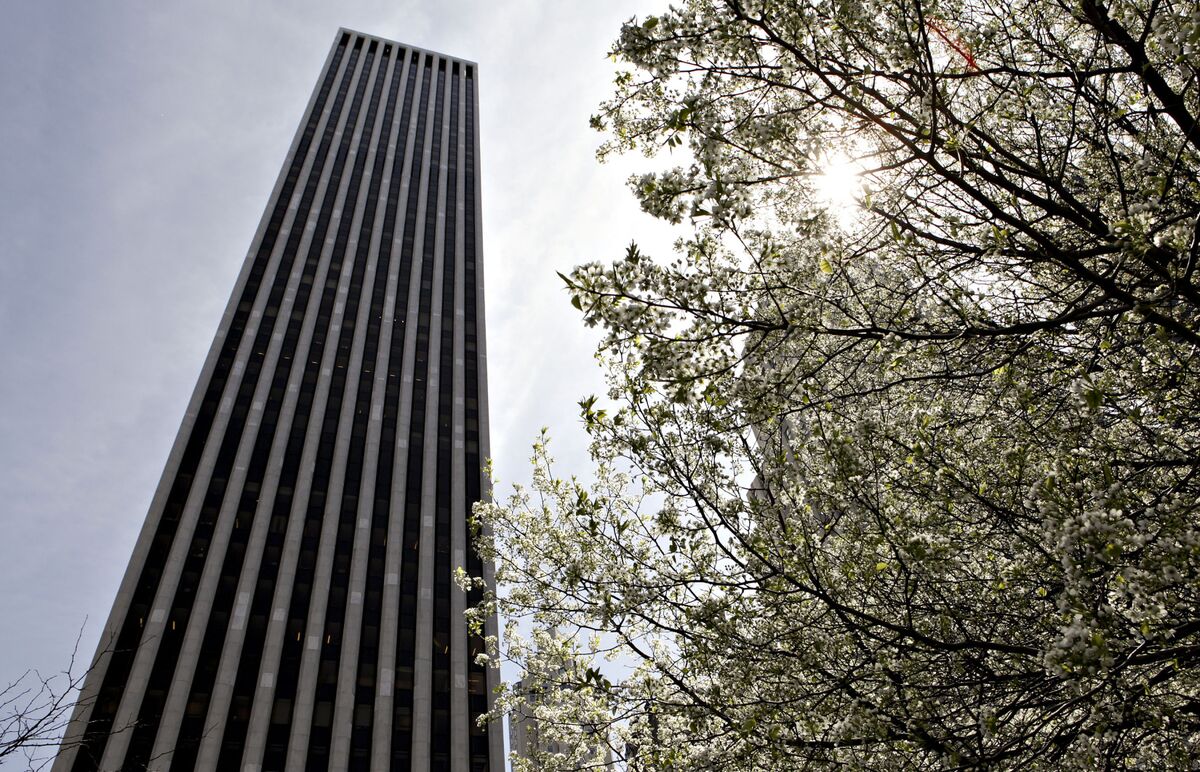
Weil Gotshal & Manges, known for handling major Chapter 11 cases including Enron and Lehman Brothers and for pioneering complex restructurings, is now facing possible dissolution amid a series of major personnel departures. The report provides no financial figures or quantified market impact.
Analysis
The investable signal is potential disruption to client coverage, not a change in bankruptcy fundamentals. If departures break up cohesive restructuring teams, competitors such as Kirkland & Ellis, Davis Polk, and other established restructuring practices could capture mandates and lateral talent. But client relationships and active-case knowledge may move with individual partners, so any benefit is likely to accrue unevenly rather than transfer to a single rival. For debtors and creditor groups with live Chapter 11 matters, team continuity and court deadlines matter more than the firm’s reputation; disruption could raise execution risk or prompt counsel changes, but should not be extrapolated to the broader restructuring market.
Near term (days to weeks), treat the dissolution framing as unverified and the market impact as limited: Weil is not a public equity, and the excerpt provides no detail on departures, client transfers, or active mandates. Over 1–3 months, the key evidence is whether entire teams and major client relationships migrate together. Over 6–18 months, a durable competitor share gain would require repeat mandate wins, not just prominent lateral hires. This thesis is falsified if Weil retains operating teams and clients, or if departures do not translate into measurable rival mandates. No clean listed-company exposure is evident from the supplied information.
AllMind Terminal
AI-powered research, real-time alerts, and portfolio analytics for institutional investors.
Request TrialMarket Sentiment
Overall Sentiment
mildly negative
Sentiment Score
-0.25
Key Decisions for Investors
- No direct trade on this excerpt: the firm is private, and there is no substantiated listed-company read-through.
- Monitor lateral moves and disclosed counsel changes in major restructuring cases; upgrade the competitive-share thesis only if teams and client mandates move together.
- For investors in companies with active Chapter 11 exposure, verify lead-counsel continuity and court-calendar coverage rather than assuming the firm-wide disruption affects every matter.
- Do not infer a broader distressed-credit catalyst from this item alone; reassess only if subsequent evidence shows case delays, client attrition, or a sustained shift in restructuring mandates.
More News
- Stocks started the week with promise but ended in despair. Our take on the big reversal
- Intel stock plunges 29%. Analysts urge caution on buying the dip
- How Ambani’s Jio became India’s second-largest company
- AWS grows 39% and Amazon will spend even more on AI in 2027
- The $13 billion startup racing to close America’s hypersonic gap
- Fears over $828 billion AI capex spending spree help erase $1 trillion in market value